Vande bharat express train in india: routes, timings, ticket fare, facilities and everything you need to know
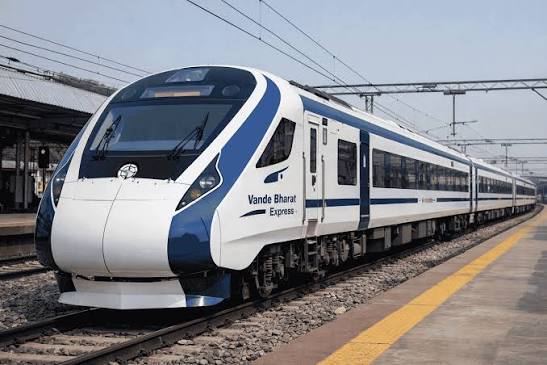
If you have traveled by train in India recently, you have probably noticed a sleek, aerodynamic white-and-blue (or saffron-and-grey) train turning heads on the adjacent platform. Over the past few years, Indian Railways has undergone a massive transformation, and the Vande Bharat Express sits right at the center of it.
Whether you are commuting for work, heading out on a weekend getaway, or visiting family, Vande Bharat offers a completely different experience from the traditional, locomotive-hauled Indian trains most of us grew up riding. Built right here in India, it combines modern cabin comfort with much faster acceleration and tighter safety standards.
With the launch of the long-awaited Vande Bharat Sleeper for overnight routes, the network has expanded even further. Here is a complete, practical guide covering everything you need to know before booking your ticket—from routes and speeds to onboard amenities, fares, and booking tips.
What Exactly Is the Vande Bharat Express?
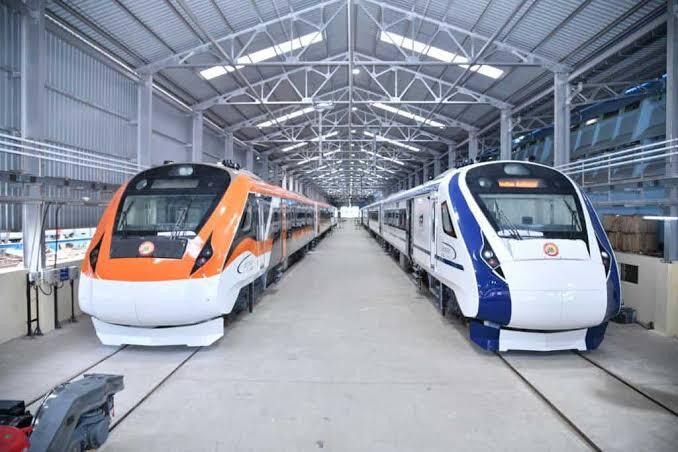
The Vande Bharat Express is India’s first indigenously designed and manufactured semi-high-speed train, operated by Indian Railways. Originally developed under the project name Train 18 at the Integral Coach Factory (ICF) in Chennai, the very first service was flagged off on 15 February 2019 between New Delhi and Varanasi.
What sets it apart mechanically is its distributed propulsion system. Instead of having a heavy locomotive pulling unpowered coaches from the front, power is distributed under multiple coaches across the trainset. Because of this setup, the train picks up speed and brakes far more quickly than conventional express trains, shaving off valuable travel time on routes with frequent curves or stops.
It is also a flagship success story for the Make in India initiative, proving that India can engineer and build world-class rolling stock domestically.
Key Features & Onboard Facilities
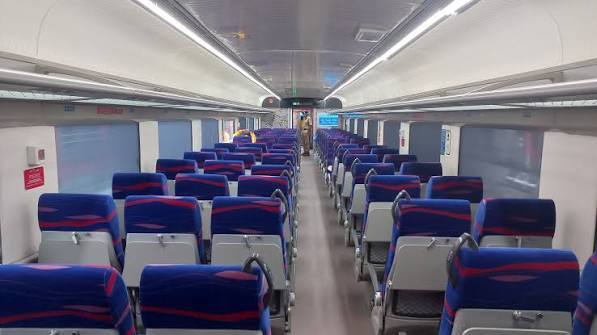
Stepping onto a Vande Bharat feels closer to boarding an aircraft cabin than a standard railway coach. Here is what you can expect once you are onboard:
-
Ergonomic & Revolving Seating: Even in standard Chair Car, the cushioned seats offer solid lumbar support and decent recline. If you upgrade to Executive Class, you get wider legroom and seats that rotate 180 degrees so you can always face the direction of travel (or turn around to chat with a group).
-
Automatic Sliding Doors: The exterior doors are centrally controlled by the crew and stay locked while the train is in motion—eliminating the dangerous habit of passengers standing near open doorways.
-
Fully Sealed Gangways: Moving between coaches is smooth, quiet, and dust-free thanks to wide, airplane-style sealed vestibules.
-
Individual Charging Points: Every seat row comes with easily accessible power sockets so you can keep your phone or laptop topped up throughout the ride.
-
Ambient LED Lighting: Coaches are fitted with diffused overhead lighting that keeps the cabin bright without feeling harsh on the eyes.
-
Modern Bio-Vacuum Toilets: The washrooms feature touch-free fittings, better ventilation, and improved hygiene standards compared to older LHB or ICF coaches.
-
CCTV & Emergency Talk-Back Units: Every coach has security cameras, along with emergency push buttons and talk-back mics that connect you directly to the train manager or driver if something goes wrong.
-
Advanced Fire Safety: Automated fire detection and aerosol-based suppression systems are built into electrical panels and lavatories.
How Fast Does It Actually Run?
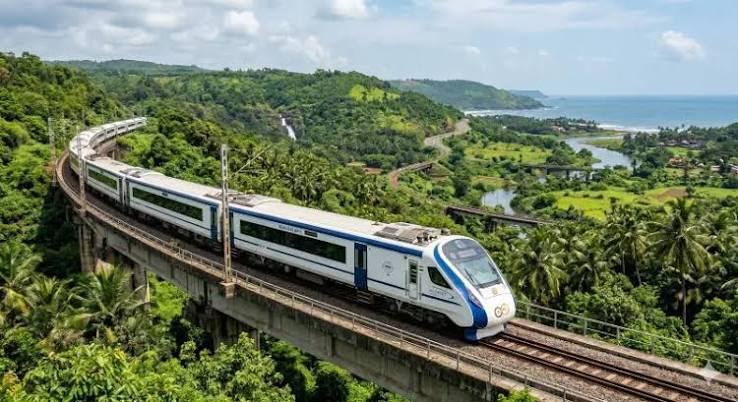
This is one of the most common questions travelers ask. On paper, Vande Bharat trainsets are engineered for a maximum test speed of 180 kmph, with a commercial operating cap of 160 kmph.
In real-world conditions, however, your average journey speed will be noticeably lower—usually hovering between 75 kmph and 95 kmph depending on the route. Why? Because the train runs on existing Indian railway tracks alongside freight and regular passenger trains, meaning it has to slow down for sharp curves, busy junctions, track maintenance zones, and scheduled station stops. Where it really wins is quick acceleration and deceleration, which saves time between stations.
Chair Car vs. Sleeper: Two Versions of Vande Bharat
Indian Railways now operates two distinct formats depending on how long you are traveling:
1. Vande Bharat Chair Car (Daytime Intercity Travel)
Designed for journeys ranging from 4 to 8 hours, the Chair Car version comes in two classes:
-
AC Chair Car (CC): Comfortable 3×2 seating layout that strikes a great balance between comfort and ticket price.
-
Executive Chair Car (EC): Spacious 2×2 layout with extra legroom, plush upholstery, and 180-degree rotating seats.
2. Vande Bharat Sleeper (Overnight & Long-Distance Travel)
For routes that take 10+ hours, sitting upright isn’t practical. To solve this, Indian Railways rolled out the Vande Bharat Sleeper, with the first regular commercial service launching on 22 January 2026 between Howrah and Kamakhya.
The sleeper variant replaces seats with cushioned berths and adds upgraded climate control, wider gangways, dedicated luggage storage bays, reading lights, and enhanced shock absorption for a smoother night’s sleep.
Popular Vande Bharat Routes Across India
While new corridors are added regularly based on passenger demand, several flagship routes have become lifelines for daily commuters and tourists alike:
(Note: Because Indian Railways periodically revises schedules and introduces new pairs, always verify the latest route list before locking in your travel dates.)
Spotlight: Vande Bharat in Kerala
In Kerala, the Kasaragod – Thiruvananthapuram Vande Bharat Express has quickly become one of the busiest trains in the country. Given Kerala’s dense rail traffic and heavy road congestion along NH-66, this service gives students, professionals, and tourists a fast, reliable way to travel from the northern Malabar coast down to the state capital. Key stops along the corridor include Kannur, Kozhikode, Tirur, Shoranur, Thrissur, Ernakulam, and Alappuzha.
Ticket Fares: What Should You Expect to Pay?
Vande Bharat tickets sit in the premium bracket—roughly comparable to Shatabdi Express fares, and significantly higher than standard Sleeper or 3AC trains. Your final ticket price depends on:
-
Total distance traveled
-
Coach class (CC vs. EC, or Sleeper tiers)
-
Catering charges (meals and tea/coffee are usually bundled into the fare, though you have the option to opt out during booking if you prefer to bring your own food)
-
Reservation charges and GST
Because dynamic adjustments and catering rates can vary by route, check the live fare directly on IRCTC rather than relying on older price charts.
How to Book Tickets & Check Live Status
Booking a seat works just like any other reserved Indian Railways train:
-
Head to the official IRCTC website (irctc.co.in) or open the IRCTC Rail Connect app.
-
Log in and enter your From and To stations along with your travel date.
-
Filter the search results for Vande Bharat Express and pick your preferred class (CC or EC).
-
Choose whether you want onboard catering included, enter your passenger details, and complete the payment.
-
Save the e-ticket on your phone and remember to carry a valid government photo ID during your journey.
To track live running status, platform numbers, or unexpected delays on the day of travel, use the official NTES (National Train Enquiry System) app or website.
Safety Tech Under the Hood
Beyond passenger comfort, Vande Bharat trains pack serious engineering upgrades aimed at preventing accidents:
-
Kavach Protection: Equipped with India’s indigenous Automatic Train Protection (ATP) system, which automatically applies brakes if a loco pilot misses a signal or exceeds speed limits on Kavach-enabled tracks.
-
Anti-Climbers & Semi-Permanent Couplers: Engineered to absorb impact and prevent coaches from piling onto one another in the rare event of a collision.
-
Real-Time Diagnostics: Onboard sensors continuously monitor brake health, wheel temperatures, and electrical systems, alerting the crew before minor glitches turn into breakdowns.
Vande Bharat vs. Traditional Express Trains
Not sure whether the extra fare is worth it? Here is how Vande Bharat stacks up against a regular Indian express train:
The verdict: If you want clean washrooms, predictable punctuality, and a comfortable daytime trip without the exhaustion of road travel, Vande Bharat is easily worth the extra money. If you are traveling on a tight budget, a conventional express train remains the more economical pick.
Quick Tips Before You Board
-
Arrive early: Unlike regular trains where people sometimes hop on as the train starts rolling, Vande Bharat doors close strictly 1 to 2 minutes before departure. Once they lock, they won’t reopen.
-
Never force the doors: Wait until the train comes to a complete halt at the platform and the green light/automated mechanism releases the doors.
-
Check your food preference: If you don’t want airline-style tray meals, select the “No Food” option while booking on IRCTC to save a few hundred rupees on your ticket.
-
Double-check boarding stations: Many major cities have multiple terminals (for example, Ernakulam Junction vs. Ernakulam Town, or New Delhi vs. Anand Vihar)—verify your exact station code before leaving home.
Frequently Asked Questions
1. Is Vande Bharat a bullet train?
No. A bullet train (like the upcoming Mumbai–Ahmedabad High-Speed Rail) runs at 300+ kmph on dedicated, elevated tracks. Vande Bharat is a semi-high-speed train built to run on India’s existing broad-gauge railway network.
2. Is food mandatory on Vande Bharat Express?
No. While catering is included by default on most routes, IRCTC allows you to opt out of meals at the time of booking. You can also buy snacks and beverages onboard if you change your mind.
3. Does Vande Bharat have Wi-Fi?
Many trainsets feature onboard Wi-Fi infotainment systems (allowing you to stream preloaded movies and music on your phone), though internet connectivity itself depends on cellular network coverage along the route.
4. Can I get a Senior Citizen concession on Vande Bharat tickets?
Currently, Indian Railways does not offer senior citizen fare concessions on Vande Bharat Express services.
5. Are there waiting list tickets in Vande Bharat?
Yes, RAC and Waiting List tickets are issued when confirmed seats sell out, though clearance chances are usually lower on high-demand weekend routes—so it is best to book a couple of weeks in advance.