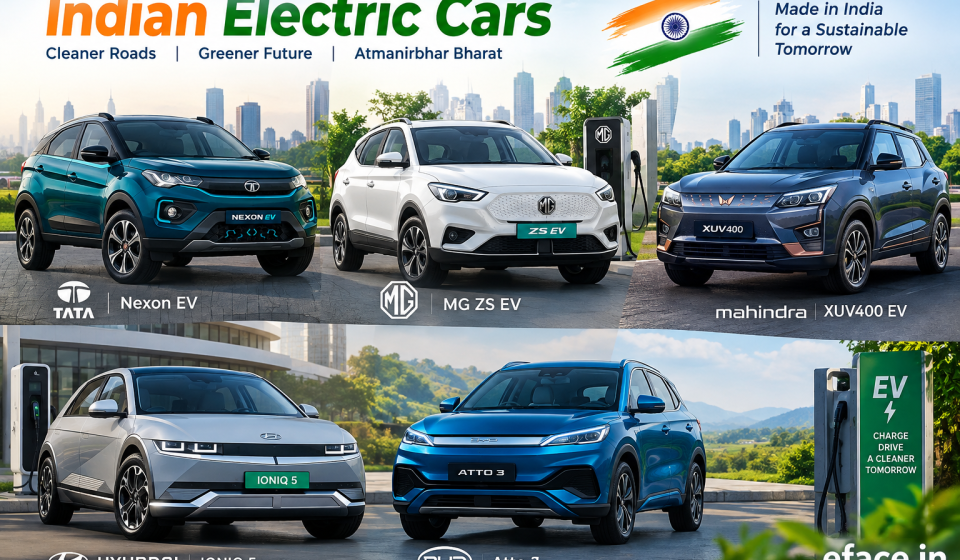
Top 5 Electric Cars below 15 Lakhs in India
A sub-₹15 lakh budget used to mean sacrificing space or settling for a two-door runabout if you wanted an electric car in India. That has changed completely. Today, this bracket features practical compact SUVs and crossovers capable of serving as legitimate family cars, complete with realistic ranges suitable for intercity weekend runs.
If you are shopping in this segment, here is an honest look at the top five electric cars under ₹15 lakh (ex-showroom), what they do well, and where they fall short.
1. Tata Punch EV: The Sensible Everyday Choice
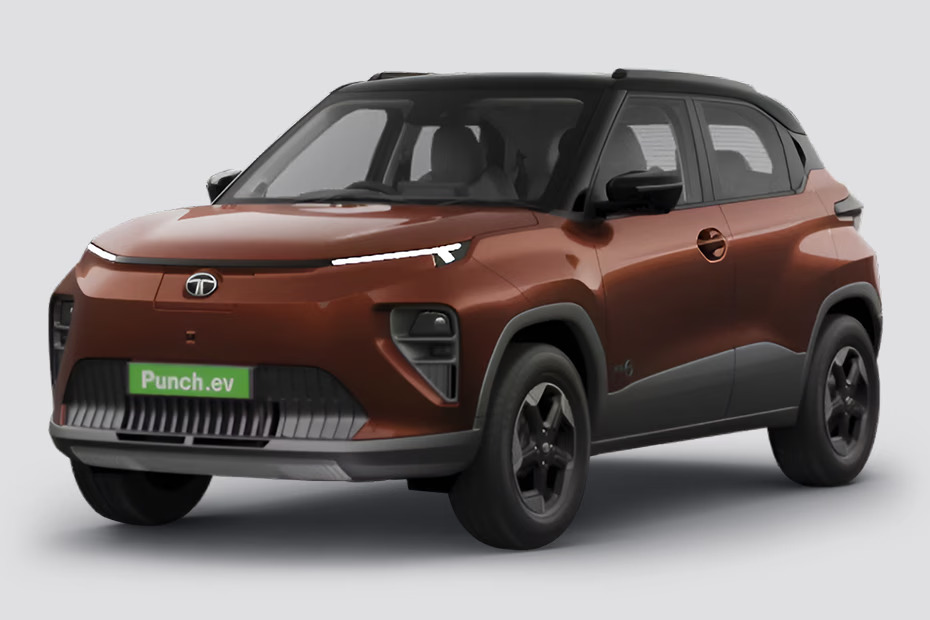 The Punch EV hits the sweet spot for first-time EV adopters. Built on Tata’s dedicated acti.ev skateboard architecture, it packages battery space much better than retrofitted ICE conversions.
-
What works: Compact dimensions make it effortless to park and weave through dense traffic, yet the upright stance offers proper SUV-style ground clearance and visibility. The Long Range (35 kWh) variant delivers a dependable ~250–270 km in real-world mixed driving.
-
The compromise: The cabin width is tight; seating three adults in the rear on long trips is an exercise in compromise.
2. Tata Nexon EV: The Default Benchmark
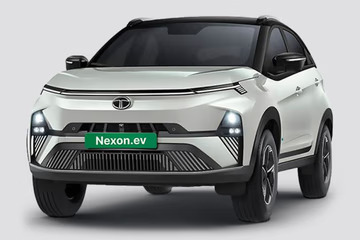 The Nexon EV kickstarted India’s mass-market EV movement, and its updates keep it competitive. While top-end variants cross the ₹17 lakh mark, the entry-level 30 kWh and the mid-spec 45 kWh variants slip right around the ₹14–15 lakh bracket.
-
What works: Solid road presence, mature high-speed manners, and a full 5-star crash safety rating. The 45 kWh pack genuinely relieves highway range anxiety, delivering over 330 km in real conditions.
-
The compromise: Fast-charging speeds taper off noticeably once the battery crosses 70%, and Tata’s infotainment software still suffers from occasional glitches.
3. MG Windsor EV: The Comfort Lounge
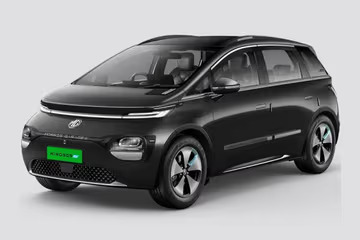 MG disrupted the segment by designing the Windsor as an aerodynamic aero-lounge rather than a tall, boxy SUV.
-
What works: The cabin space is unmatched at this price. The “sofa-grade” rear seats recline up to 135 degrees, giving legroom that rivals sedans two segments above. It can also be purchased via MG’s Battery-as-a-Service (BaaS) program, cutting the upfront acquisition cost below ₹10 lakh.
-
The compromise: The claimed range of 332 km is relatively conservative, translating to roughly 230–250 km on the road. The exterior design also polarizes opinions—it looks more like a modern MPV than a rugged SUV.
4. Mahindra XUV 3XO EV: The Driver’s Compact SUV
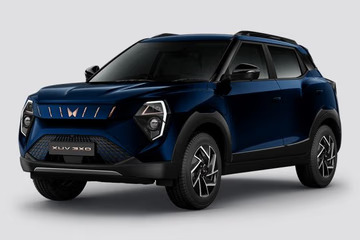 Carrying forward the bones of the capable XUV400 platform into the modernized 3XO body shell, this EV caters to buyers who want quick throttle response and mechanical solidity.
-
What works: Torque delivery is instant and eager, making highway overtakes rapid. The wide track gives it planted, confident manners through corners, and the suspension absorbs broken asphalt better than most rivals.
-
The compromise: Mahindra’s public charging app ecosystem and EV-specific software updates remain a step behind Tata’s mature connected-car setup.
5. Kia Syros EV: The Tech-Loaded Wildcard
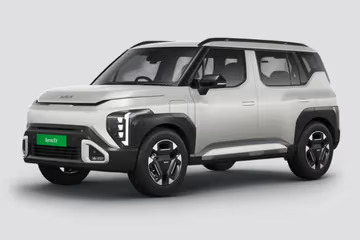 Positioned between the Sonet and Seltos footprint, the Syros brings Kia’s tall-boy, futuristic styling into the affordable electric space.
-
What works: Kia consistently nails interior fit, tactile switchgear, and slick infotainment interfaces. Its cabin ergonomics feel half a step more premium than domestic competitors, paired with a modern LFP battery pack that targets high efficiency.
-
The compromise: To get the full suite of headline tech and Level 2 ADAS features, prices nudge the upper limit of the ₹15 lakh ceiling once on-road taxes are factored in.
Key Realities Before Signing the Cheque
-
The 70% Real-World Rule: Always multiply an EV’s ARAI-claimed range by 0.70 to 0.75 for a realistic estimate. Heavy AC use in peak summer and 100 km/h highway cruising deplete batteries much faster than city stop-and-go runs.
-
Dedicated Home Charging is Non-Negotiable: Relying entirely on commercial DC fast chargers is expensive and wears the battery faster. Ensure you have approval and wiring logistics in place for a 3.3 kW or 7.2 kW AC home box before taking delivery.
-
Ex-Showroom vs. On-Road: While many Indian states offer road-tax exemptions for EVs, registration cess, comprehensive insurance (EV battery cover is costly), and TCS will push a ₹14.5 lakh ex-showroom car past ₹15.5 lakh on road. Verify your state’s current EV subsidy policy before finalizing the budget.


now a days people like electric cars because they need to reduce the pollution and also want to save petrol price.