
Difference between mineral water and packaged drinking water: which is actually better?
When you grab a bottle of water at a supermarket, railway station, or roadside dhaba, you’ve probably noticed that some labels say “Mineral Water” while others say “Packaged Drinking Water.” They look identical, come in similar sealed bottles, and are sold side by side across India. Naturally, most people assume they are the exact same thing.
A lot of us call every plastic bottle of water “mineral water.” Some assume mineral water is automatically healthier, while others write off packaged drinking water as glorified tap water. Neither assumption is entirely true.
The real difference comes down to where the water comes from, how it’s treated, its mineral profile, and the food safety rules governing it. Knowing what sets them apart makes it much easier to pick the right bottle for your home, office, or next road trip.
Here is a clear, no-nonsense breakdown of how they differ, what’s actually inside the bottle, and how to spot the difference on the shelf.
1. What Is Packaged Drinking Water?
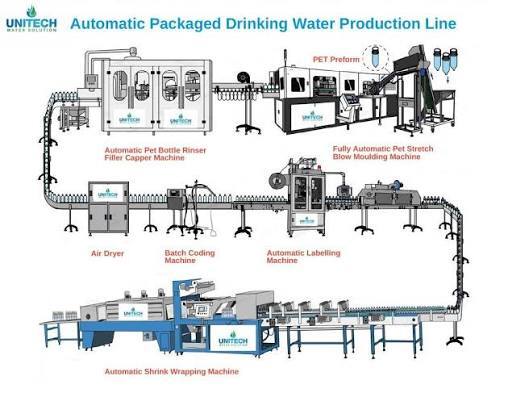
Packaged drinking water is simply water collected from an approved source, thoroughly purified, and sealed in food-grade bottles or jars for drinking.
Manufacturers can source this water from almost anywhere—borewells (groundwater), municipal supplies, rivers, or lakes—as long as it undergoes strict purification to meet safety standards. In India, this category is governed by the Bureau of Indian Standards (BIS) under IS 14543 (which covers packaged drinking water other than natural mineral water).
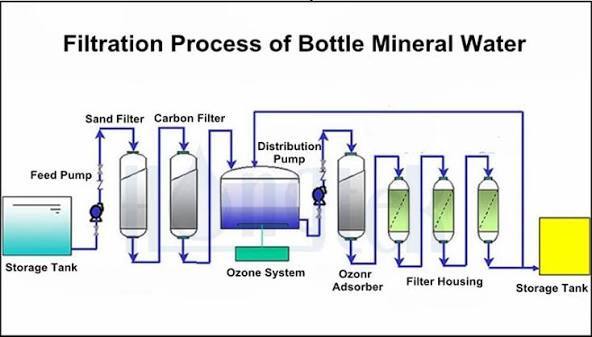
How is it made? Because the raw water can come from varied sources, plants run it through a multi-step treatment process before bottling:
-
Raw water collection: Drawing water from an approved local source.
-
Pre-filtration: Removing sand, silt, and visible suspended particles.
-
Activated carbon filtration: Stripping out chlorine, organic impurities, odours, and off-tastes.
-
Reverse Osmosis (RO): Pushing water through a membrane to remove excess dissolved salts and heavy metals.
-
Remineralisation: Adding back small amounts of essential minerals (like magnesium or potassium) so the water doesn’t taste flat.
-
Disinfection: Treating the water with UV light or ozone to eliminate bacteria and viruses.
-
Bottling: Filling and sealing the containers in a sterile environment.
Does it contain minerals? Yes, it often does. While RO filtration strips away most dissolved solids, many brands intentionally add minerals back in during the final stages to improve the taste and balance the pH. Calling something “packaged drinking water” simply describes how it is regulated and processed—it doesn’t mean the water is completely devoid of minerals.
2. What Is Natural Mineral Water?
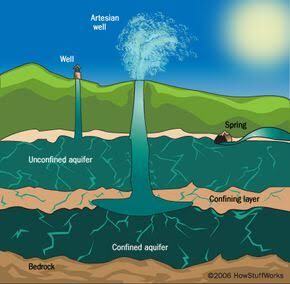
Natural mineral water comes exclusively from a protected underground source—like a natural spring or a deep subterranean aquifer—and already contains a distinct, natural blend of minerals and trace elements.
In India, natural mineral water is regulated under a separate, stricter BIS standard: IS 13428.
How is it collected? As rainwater seeps deep underground over years or decades, it passes through layers of rock and soil. Along the way, it naturally absorbs minerals such as:
-
Calcium
-
Magnesium
-
Sodium
-
Potassium
-
Bicarbonates
-
Sulphates
Because every underground aquifer has a unique geological makeup, natural mineral water has a specific mineral profile that stays consistent at the source. Some springs produce water rich in calcium and bicarbonates, while others are lighter.
Is natural mineral water treated with RO? No. Under Indian regulations, manufacturers are not allowed to run natural mineral water through heavy purification like Reverse Osmosis, nor can they artificially add minerals to it. They are only permitted to use minimal physical treatments (like basic filtration to remove grit or ozone/UV treatment for safety) that leave the water’s natural mineral composition completely intact.
3. Mineral Water vs. Packaged Drinking Water: Side-by-Side
4. Which One Has More Minerals?
People often assume natural mineral water is packed with nutrients while packaged water has none. While natural mineral water usually holds a richer, untouched mineral profile, it isn’t a universal rule.
Some natural springs are naturally low in total dissolved solids (TDS), whereas certain packaged drinking water brands fortify their water with added magnesium and calcium. If you want to know what you’re actually drinking, skip the marketing on the front of the bottle and check the nutritional or mineral composition table printed on the back label.
Do you need minerals from your water? Minerals like calcium, magnesium, potassium, and sodium support bone health, muscle function, hydration, and nerve signalling. However, unless you are severely dehydrated or on a restricted diet, you get the vast majority of these nutrients from your daily meals—not from water. Drinking water is a nice bonus, not your primary supplement.
5. Is Mineral Water Healthier Than Packaged Drinking Water?
For the average healthy person, neither is automatically “healthier” than the other. Both are completely safe for daily hydration as long as they come from a certified, reputable bottler.
-
Why choose natural mineral water? You get water in its purest, least-processed state, complete with naturally occurring electrolytes and a distinct, crisp mouthfeel.
-
Why choose packaged drinking water? You get reliable, thoroughly purified water that tastes the same no matter which city you buy it in—at a fraction of the price.
The biggest health factor isn’t whether the bottle says mineral or packaged; it’s whether the manufacturer followed proper hygiene standards and whether the bottle has been stored away from direct sunlight.
6. Why Does Mineral Water Taste Different?
If you’ve ever noticed that a bottle of Himalayan spring water tastes noticeably different from a standard ₹20 bottle of water, you are tasting the minerals.
High levels of bicarbonates make water taste smooth and slightly sweet; calcium and magnesium give it a heavier, crisper “mouthfeel”; and sodium can add a faint hint of salinity. Because packaged drinking water goes through RO and standardized remineralisation, every bottle tastes clean and neutral. Natural mineral water reflects the earth it came from, so each brand has its own signature taste.
7. Why Is Mineral Water So Much More Expensive?
A litre of natural mineral water easily costs two to five times more than packaged drinking water. That price jump comes down to logistics:
-
Location: Natural mineral water has to be bottled right at the source—often in remote hilly or forested regions—and trucked across the country.
-
Source Protection: Companies have to maintain strict environmental boundaries around the aquifer to prevent contamination.
-
Scale: Packaged drinking water plants can be set up near major cities using local water supplies, drastically cutting down transport and production costs.
Keep in mind that a higher price tag reflects the rarity of the source and transport costs—it doesn’t mean the water is “safer” than a standard certified bottle.
8. How to Spot the Difference on a Bottle
Brand names can be misleading—plenty of regular packaged water brands use mountain imagery or words like “Aqua” and “Spring” on their labels. To know what you are actually buying, check three things on the label:
-
The Product Category: Look directly beneath or next to the brand name. By law, the label must explicitly state either “Packaged Drinking Water” or “Natural Mineral Water.”
-
The ISI Mark & Code: Look for the standard ISI certification mark on the label. The number printed right above or below the logo tells you the exact category (IS 14543 for packaged drinking water; IS 13428 for natural mineral water), alongside the FSSAI license number.
-
Batch & Seal Details: Always check the manufacturing date, best-before date, and the plastic neck ring to ensure the bottle hasn’t been tampered with or refilled.
9. Which One Should You Buy for Home, Office, or Travel?
-
For Daily Home Use: Packaged drinking water (in 20-litre jars) or a well-maintained home RO/UV purifier is the most practical and cost-effective choice.
-
For Offices: Standard packaged water dispensers are ideal for high daily consumption. Just make sure the dispenser is sanitized regularly.
-
For Travel: Both work well. Grab standard packaged drinking water for regular road trips and train journeys, or opt for natural mineral water if you prefer its taste or want extra natural electrolytes during long, hot travel days.
-
At Restaurants & Hotels: Restaurants often serve both. If a waiter brings an unlabelled glass bottle or a premium brand to your table, check the label so you aren’t caught off guard by a ₹150 charge for imported or boutique mineral water.
10. Is RO Water the Same as Packaged Drinking Water?
No. RO (Reverse Osmosis) is a filtration method, whereas Packaged Drinking Water is a regulated product category.
While most packaged drinking water brands use RO as part of their purification process, packaged water also undergoes carbon filtration, UV/ozone disinfection, mineral balancing, and sterile bottling under strict BIS testing. Water from a home RO purifier is treated water, not “packaged drinking water.”
11. Common Myths About Bottled Water
-
Myth: All bottled water is mineral water.
Reality: Over 90% of the bottled water sold in India is actually packaged drinking water, not natural mineral water.
-
Myth: Packaged drinking water has zero minerals.
Reality: Most reputable brands add essential minerals back after RO filtration for taste and balance.
-
Myth: RO water is unhealthy because it strips away nutrients.
Reality: Your food supplies your daily minerals. Properly treated RO water is completely safe and healthy to drink.
-
Myth: Expensive water is cleaner and safer.
Reality: A ₹20 ISI-certified bottle has to pass the exact same microbiological safety standards as a ₹100 bottle.
12. Frequently Asked Questions (FAQs)
What is the core difference between mineral water and packaged drinking water?
Natural mineral water comes from a protected underground spring with naturally occurring minerals and minimal processing. Packaged drinking water comes from various approved sources and goes through thorough purification (like RO and UV) before bottling.
Can I drink packaged drinking water every day?
Yes. As long as it carries valid FSSAI and BIS certifications and is stored properly, packaged drinking water is completely safe for daily use.
Does packaged drinking water contain calcium and magnesium?
Often, yes. Many brands remineralise their water after filtration, adding small amounts of magnesium and calcium salts. Check the label on the back for exact numbers.
Why does natural mineral water cost more?
Because it must be bottled directly at a protected underground source—often far from major cities—making extraction, quality control, and transportation much more expensive.
How do I quickly tell them apart at a shop?
Read the front label carefully. It will clearly say either “Natural Mineral Water” or “Packaged Drinking Water,” and the ISI logo will display either IS 13428 or IS 14543.
The choice between mineral water and packaged drinking water isn’t about “good vs. bad”—it’s about natural vs. purified. If you love the crisp taste of untouched spring water and don’t mind paying extra for it, go for natural mineral water. If you want dependable, thoroughly purified, budget-friendly hydration on the go, standard packaged drinking water does the job just as well. Either way, flip the bottle around, check the seal and certifications, and let the label—not the marketing—guide your choice.