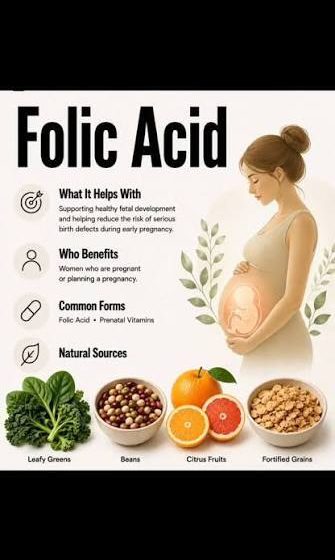
Folic acid during pregnancy: benefits, importance & best foods
Pregnancy transforms a tiny fertilised egg into a growing baby with a developing brain, spinal cord, heart, and vital organs over nine months. Proper nutrition drives much of this growth, and few nutrients matter more during this time than folic acid.
Most women wait until a positive pregnancy test to start taking prenatal vitamins. The catch is that your baby’s brain and spinal cord begin forming in the very first few weeks—often before you even miss a period. Getting enough folic acid before conception and early in pregnancy dramatically lowers the risk of serious birth defects known as neural tube defects.
Understanding how this vitamin works, how much you actually need, and which everyday foods pack the highest amounts will help you give your baby the strongest possible start.
What Exactly Is Folic Acid?
Folic acid is the synthetic version of folate (vitamin B9), a water-soluble B vitamin your body uses to make DNA, build new cells, and produce healthy red blood cells.
While they do the same job, they come from different places:
-
Folate occurs naturally in whole foods like leafy greens, lentils, beans, and citrus fruits.
-
Folic acid is the man-made form used in dietary supplements and fortified foods like cereals and flour.
Once you become pregnant, your body’s demand for folate skyrockets. Your baby’s cells are dividing at a rapid pace, and folate provides the raw materials needed to build new tissues and genetic material. While it remains important through all nine months, it is critical during the first trimester.
Why Folic Acid Matters So Much During Pregnancy
Folic acid isn’t just another box to check on a prenatal vitamin label; it actively drives the earliest and most delicate stages of fetal development.
1. Builds the Baby’s Brain and Spinal Cord
During the first few weeks of pregnancy, a flat ribbon of tissue rolls up to form the neural tube, which eventually becomes your baby’s brain and spinal cord. This tube normally closes within the first 28 days after conception. If it fails to close completely, it causes neural tube defects (NTDs), such as:
-
Spina bifida: The spinal cord and surrounding bones do not develop or close properly.
-
Anencephaly: Major parts of the brain and skull fail to form.
Taking folic acid consistently before you get pregnant and during those first few weeks significantly lowers the chance of these conditions occurring.
2. Drives Cell Growth and DNA Production
Your baby grows through non-stop cell division—millions of new cells form every day to build organs, skin, and bones. Folic acid helps your body create DNA and RNA, the genetic blueprints that tell those new cells how to grow and function. Without enough folate, normal cell division slows down.
3. Prevents Folate-Deficiency Anaemia
During pregnancy, your blood volume expands substantially to supply your baby with oxygen through the placenta. Folic acid helps produce the healthy red blood cells needed to carry that oxygen. Falling short can lead to megaloblastic anaemia, a condition where red blood cells grow abnormally large and fail to work properly. (Note: Iron deficiency is another major cause of pregnancy anaemia, so folic acid works alongside iron rather than replacing it).
4. Supports Placental Development
The placenta is your baby’s lifeline, transferring oxygen and nutrients from your bloodstream. Because placental tissue grows rapidly through continuous cell division, adequate folate is vital for building and maintaining a healthy placenta.
5. Protects the Mother’s Health
Carrying a baby places heavy nutritional demands on your own body. Folic acid keeps your own blood cell production, tissue repair, and cellular functions running smoothly while you share resources with your growing baby.
How Much Folic Acid Do You Need?
Your daily target shifts slightly depending on whether you are trying to conceive, currently pregnant, or breastfeeding. You will often see guidelines listed in mcg DFE (Dietary Folate Equivalents), which simply accounts for the fact that your body absorbs synthetic folic acid slightly better than natural food folate.
| Stage | Recommended Daily Intake |
| Planning pregnancy / Reproductive age | 400 mcg of folic acid |
| During pregnancy | 600 mcg DFE of total folate |
| During breastfeeding | 500 mcg DFE of total folate |
A quick note on higher doses: If you have a personal or family history of neural tube defects, or certain medical conditions, your doctor may prescribe a much higher dose (often 4,000 mcg). Never take high-dose folic acid on your own—more is not always better, and your obstetrician will tailor the dose to your medical history.
When Should You Start?
Because the neural tube closes around week four of pregnancy—right around the time of a missed period—waiting until you see two pink lines is often too late for neural tube protection. Doctors recommend starting a 400 mcg daily folic acid supplement at least one month before trying to conceive. If your pregnancy was a pleasant surprise, don’t panic: start taking a prenatal vitamin as soon as you find out and speak with your doctor.
Top Folate-Rich Foods to Add to Your Pregnancy Diet
Supplements provide your safety net, but whole foods deliver natural folate alongside fibre, protein, iron, and antioxidants. Many of the best sources are already staples in everyday Indian kitchens.
-
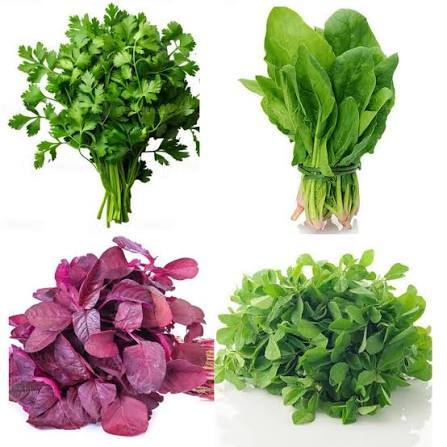
Green Leafy Vegetables: Spinach (palak), amaranth leaves (cheera), fenugreek leaves (methi), and drumstick leaves (muringayila) are folate powerhouses. Toss them into dals, stir-fries, or curries.
-
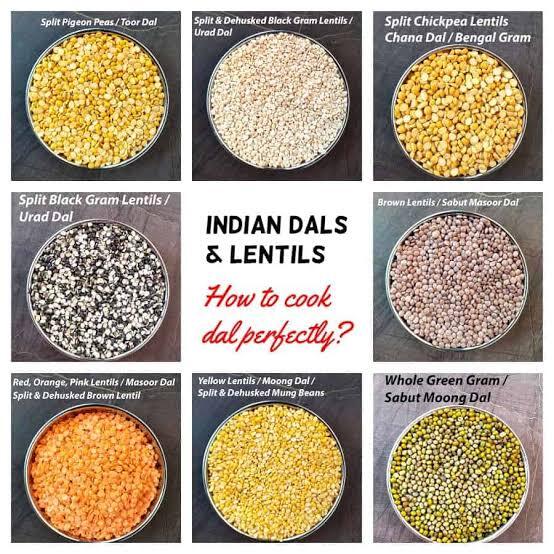
Lentils and Pulses: Green gram (cherupayar), Bengal gram (kadala), black gram (urad dal), masoor dal, toor dal, rajma, and chickpeas (chana) pack massive amounts of folate alongside plant protein and iron.
-
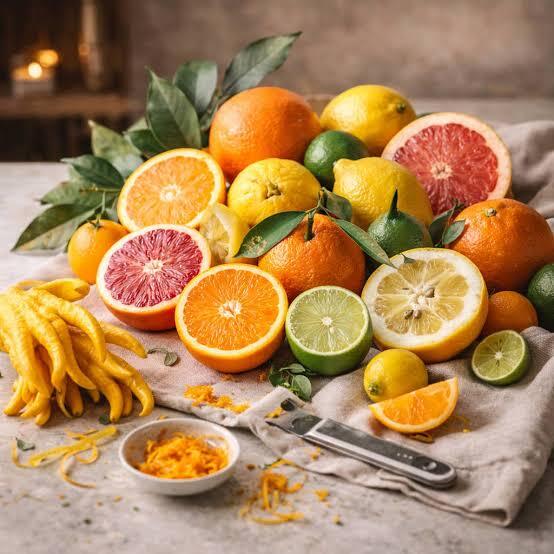
Citrus Fruits: Oranges, sweet lime (mosambi), lemons, and mandarins offer folate plus vitamin C, which helps your body absorb iron from plant foods. Eat whole fruits rather than drinking juice to get the extra fibre.
-
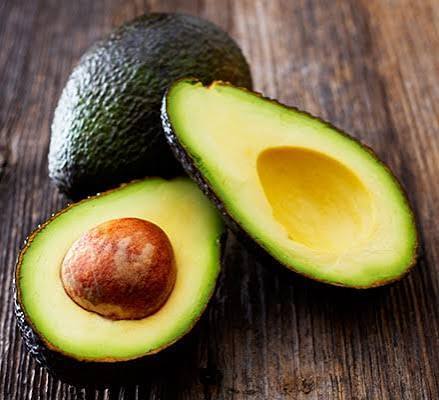
Avocado: Rich in folate, potassium, and healthy fats that support fetal brain growth. Mash it onto toast or toss it into a salad.
-
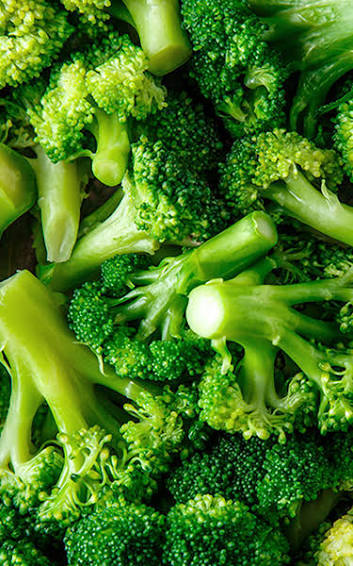
Broccoli: A great source of folate, vitamin C, and vitamin K. Lightly steam or stir-fry it rather than boiling it mushy.
-
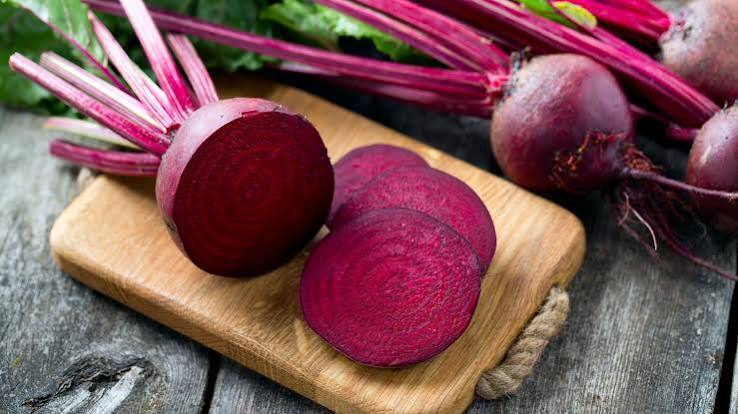
Beetroot: Provides natural folate and fibre. Enjoy it grated in salads, roasted, or cooked into a simple thoran or poriyal.
-
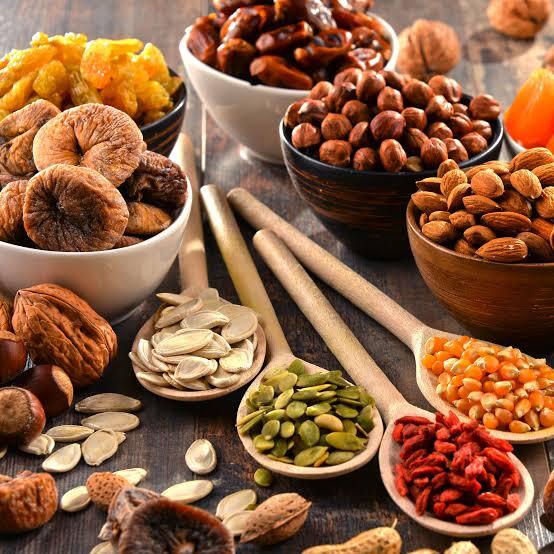
Nuts and Seeds: Peanuts, almonds, walnuts, sunflower seeds, flaxseeds, and sesame seeds make easy, nutrient-dense snacks packed with healthy fats and folate.
-
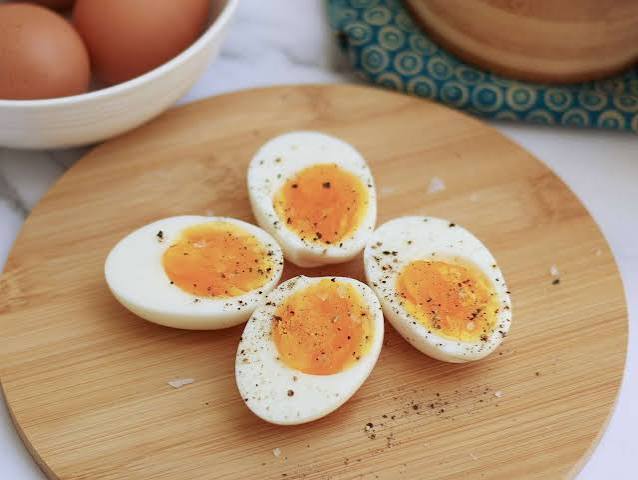
Eggs: Along with modest amounts of folate and high-quality protein, eggs are rich in choline, another crucial nutrient for your baby’s brain and spinal cord development. Make sure eggs are cooked
thoroughly during pregnancy.
-
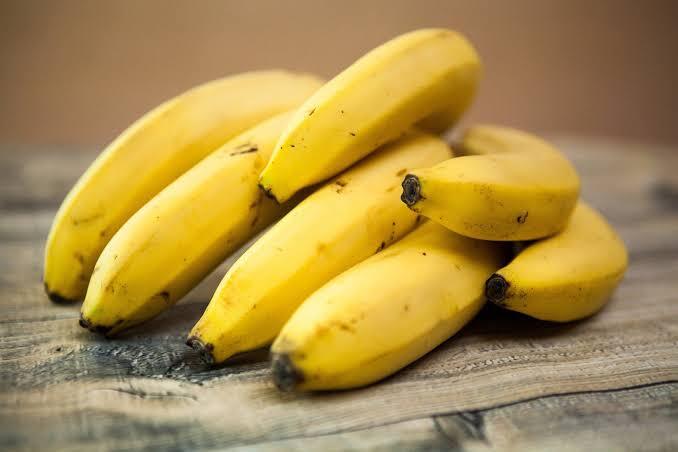
Bananas: Gentle on a nauseous stomach, bananas offer a modest boost of folate alongside potassium and vitamin B6.
-
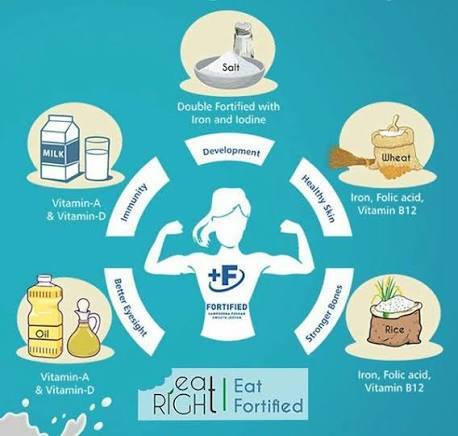
Fortified Foods: Many breakfast cereals, wheat flours (atta), breads, and rice products are enriched with folic acid. Check the nutrition label to see how much has been added.
Simple Daily Meal Ideas
You don’t need imported superfoods to hit your folate goals. A simple, balanced day of Indian meals naturally boosts your intake:
| Meal | Folate-Friendly Ideas |
| Early Morning | A fresh orange or a banana |
| Breakfast | Idli with vegetable sambar, or vegetable dosa |
| Mid-Morning Snack | A small handful of almonds and walnuts with seasonal fruit |
| Lunch | Rice, cheera thoran (amaranth stir-fry), dal, and a side of curd |
| Evening Snack | Boiled chickpeas (chana) or green gram (cherupayar) sundal |
| Dinner | Whole wheat chapati with thick dal and lightly cooked mixed vegetables |
Does Cooking Destroy Folate?
Yes, natural folate is fragile. Prolonged heat and boiling can destroy a large percentage of the folate in fresh vegetables—especially if you boil them in lots of water and drain it down the sink.
To keep as much nutrition in your food as possible:
-
Wash whole vegetables before chopping them so water-soluble vitamins don’t leach out.
-
Avoid soaking chopped vegetables in water for long periods.
-
Steam, sauté, or pressure-cook vegetables lightly instead of boiling them for long stretches.
-
Reuse vegetable cooking water as the base for soups, rasam, or gravies.
(Good news: The synthetic folic acid found in supplements and fortified flours holds up much better against heat than natural food folate.)
Common Questions About Folic Acid in Pregnancy
Can I skip supplements if I eat a very healthy diet? No. Even with a great diet, natural folate levels vary depending on soil, storage, and cooking methods, and your body absorbs it less efficiently than synthetic folic acid. Combining a daily supplement with folate-rich foods gives you reliable protection.
Can you take too much folic acid? Yes. Unless your doctor prescribes a higher dose for specific medical reasons, adults should stay under 1,000 mcg per day from supplements and fortified foods combined. Taking excessive amounts can mask the blood symptoms of a vitamin B12 deficiency, allowing silent nerve damage to progress unchecked. Always check your prenatal vitamin label before adding extra supplements.
Does folic acid prevent all birth defects or make my baby smarter? Folic acid drastically reduces the risk of neural tube defects, but no single vitamin can guarantee a complication-free pregnancy or boost intelligence beyond normal healthy development. Think of it as essential building material rather than a brain-boosting medicine.
When is the best time of day to take my folic acid tablet? Whenever you are most likely to remember it. Consistency matters far more than timing. If prenatal vitamins make you feel queasy, taking yours with a meal or right before bed often helps.
A healthy pregnancy isn’t built on perfection—it’s built on small, consistent habits. Starting a daily 400 mcg folic acid supplement before you conceive, filling your plate with leafy greens, dals, and fresh fruits, and keeping up with your antenatal check-ups will go a long way toward protecting your baby during those critical first weeks of life.