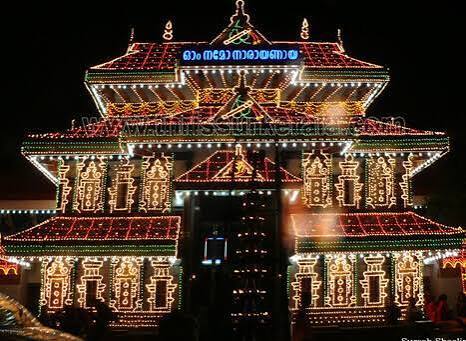
Guruvayur temple kerala – timings, history, darshan, dress code, offerings & Complete Guide
Tucked away in the Thrissur district of Kerala is a town where the day doesn’t start with an alarm clock, but with the resonant sound of temple drums, conch shells, and the chanting of Narayaneeyam. Welcome to Guruvayur.
For millions of devotees across South India, the Guruvayur Sree Krishna Temple isn’t just another stop on a pilgrimage map—it is the spiritual heart of Kerala. Often reverently called Bhuloka Vaikuntam (Lord Vishnu’s abode on Earth) and the Dwarka of the South, this ancient shrine is dedicated to Lord Guruvayurappan, a beloved form of Lord Krishna.
Whether you are planning your very first visit, bringing a little one for their Choroonu, or simply trying to navigate the strict temple timings and dress codes, here is everything you actually need to know before you go.
1. Where is Guruvayur Temple Located?
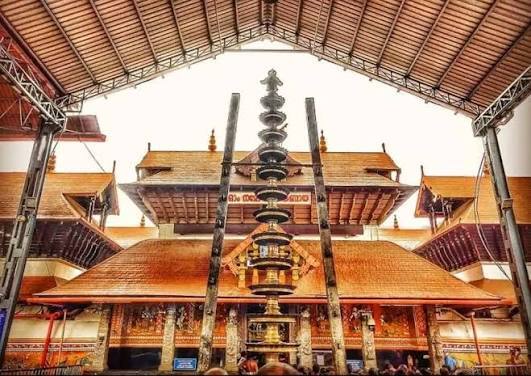
Guruvayur is a bustling temple town located about 29 kilometers northwest of Thrissur city. The entire town essentially revolves around the temple complex. The moment you step into the Nada (the main approach streets), you’ll find yourself surrounded by rows of traditional Kerala lodges, pure vegetarian eateries, flower vendors, and shops selling brass lamps and souvenirs.
Quick Facts:
-
Presiding Deity: Lord Guruvayurappan (Lord Krishna)
-
Tradition: Hindu Vaishnavism
-
District & State: Thrissur, Kerala
-
Famous For: Nirmalyam darshan, Thulabharam, temple weddings, and elephants
2. The Legend & History Behind the Shrine
While historians place the temple’s structural origins several centuries back, its spiritual roots go deep into Hindu mythology.
Legend has it that the sacred idol worshipped here was originally prayed to by Lord Vishnu himself, and later by Lord Brahma. When the ancient city of Dwarka was about to be submerged by the sea, Lord Krishna instructed Guru (the preceptor of the Gods) and Vayu (the Wind God) to rescue the idol and find an equally sacred place to install it.
Guided by Lord Shiva, Guru and Vayu chose this lush spot in Kerala. Combining their names, the place became known as Guruvayupura, which over time evolved into Guruvayur.
Architecturally, the temple is a classic masterpiece of traditional Kerala style—featuring sloped tiled roofs, intricate wood carvings, ancient murals, and a courtyard that glows warmly under the light of thousands of oil lamps after dusk.
3. Who is Lord Guruvayurappan?
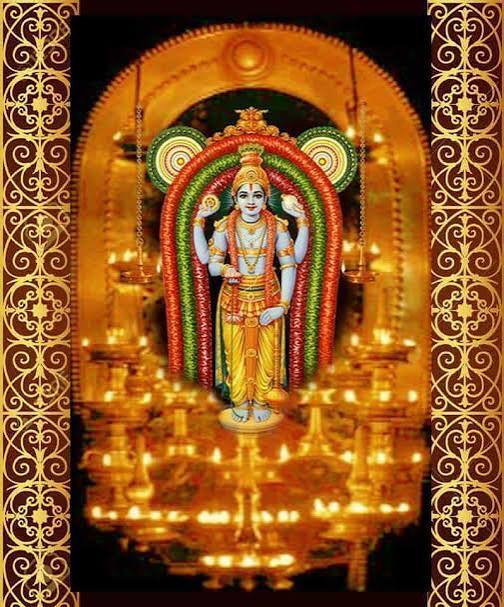
Devotees worship the deity here as Unnikrishnan (baby Krishna), yet the idol itself depicts the majestic four-armed form of Mahavishnu. Carved from a rare, dark stone called Patala Anjana, the deity holds four sacred emblems:
-
Sankham (Conch): The cosmic sound of creation.
-
Chakram (Discus): Protection and the destruction of negativity.
-
Gadha (Mace): Strength and divine authority.
-
Padmam (Lotus): Purity and spiritual awakening.
People come here for every major milestone in life—praying for good health, seeking blessings before starting a new venture, getting married right outside the temple gates, or bringing their babies for their first taste of solid food.
4. Temple Opening & Darshan Timings
Guruvayur runs on a strict, centuries-old daily schedule. The temple opens well before dawn and closes for a few hours in the afternoon before reopening in the evening.
| Session | Timings |
| Morning Opening | 3:00 AM (starts with Nirmalyam Darshan) |
| Afternoon Closing | 12:30 PM |
| Evening Reopening | 4:30 PM |
| Night Closing | 9:15 PM |
Note: During major festivals, Ekadasi, or days when special Udayasthamana Poojas are booked, these timings shift. Always double-check locally if you are visiting on an auspicious calendar date.
Insider Tip on Darshan: If you can manage waking up at 2:30 AM, aim for the Nirmalyam Darshan at 3:00 AM. Watching the deity adorned with the previous day’s garlands before the morning abhishekam (ritual bath) is an unforgettable, deeply peaceful experience. If early mornings aren’t possible, weekdays outside school holidays offer much shorter queues.
5. The Dress Code (Strictly Enforced)
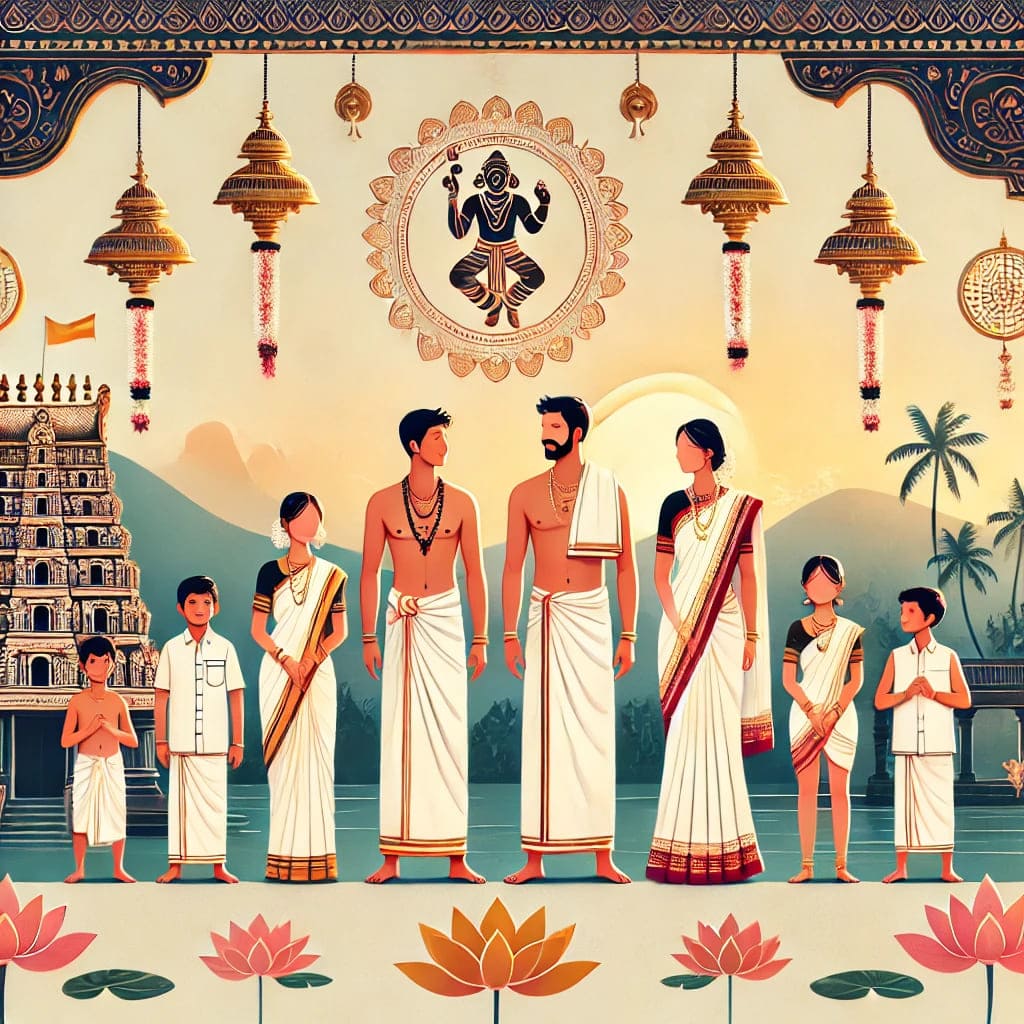
Guruvayur is very traditional, and the security staff at the entrance will turn you away if you aren’t dressed appropriately. There are no exceptions, so pack accordingly:
-
For Men: You must wear a traditional mundu (dhoti) around your waist. Shirts, T-shirts, vests, and trousers are strictly prohibited inside the inner temple courtyard. You can drape a veshti or small towel (thorthu) over your shoulders, though even that has to be lowered in front of the sanctum.
-
For Women: Traditional Indian attire is mandatory. Sarees (including the classic Kerala Kasavu saree), salwar kameez/churidar, or long skirts with blouses are permitted. Western wear like jeans, leggings worn with short tops, or sleeveless outfits are not allowed.
-
For Children: Boys can wear shorts and shirts up to a certain young age, and girls usually wear traditional pattu pavadai (long silk skirts) or frocks.
6. Famous Offerings & Rituals
You’ll see devotees performing all kinds of personal vows here. If you plan to book an offering at the Devaswom counters, these are the most common:
-
Thulabharam: Easily the most iconic ritual at Guruvayur. You sit on one pan of a massive traditional weighing scale while the other pan is loaded with offerings—bananas (Kadali pazham), jaggery, sugar, coconuts, or even coins—until the scales balance. The entire lot is then donated to the temple.
-
Choroonu (Annaprasanam): The traditional Kerala ceremony where a baby is fed rice for the very first time in the presence of the deity.
-
Palpayasam: A rich, sweet rice-and-milk pudding offered to the Lord and distributed as prasadam. It’s famous across Kerala for its distinct taste.
-
Neyvilakku & Pushpanjali: Lighting a traditional ghee lamp or offering flowers alongside a prayer (Archana) recited in your name and birth star (Nakshatra).
7. Major Festivals You Should Know About
If you love the energy of grand temple festivals—complete with percussion ensembles (Panchavadyam), caparisoned elephants, and thousands of lamps—plan your trip around these events:
-
Guruvayur Ekadasi (November/December): The biggest spiritual event of the year. The temple stays open almost continuously, and the town hosts the famous Chembai Sangeetholsavam, a multi-day Carnatic music festival where hundreds of musicians perform as a tribute to the deity.
-
Ashtamirohini (August/September): Lord Krishna’s birthday. Expect massive crowds, special feasts, and nonstop celebrations.
-
Guruvayur Utsavam & Aanayottam (February/March): The 10-day annual festival kicks off with Aanayottam, a thrilling ceremonial elephant race. The winning elephant earns the privilege of carrying the deity’s ceremonial idol throughout the festival.
8. What to See Inside & Around the Temple
Inside the Complex:
-
Golden Dwajasthambam: The towering gold-plated flagstaff that greets you as you enter.
-
Deepasthambam: A multi-tiered pillar of oil lamps. Watching temple staff light every single wick at dusk is pure magic.
-
Sreekovil & Nalambalam: The sacred inner sanctum and the pillared cloister surrounding it.
Nearby Spots Worth Visiting:
-
Punnathur Kotta (3 km away): Known as the Guruvayur Elephant Sanctuary, this former palace courtyard houses dozens of temple elephants donated by devotees.
-
Mammiyoor Mahadeva Temple (500 meters away): A prominent Lord Shiva temple. Traditional belief holds that a pilgrimage to Guruvayur is only complete after offering prayers at Mammiyoor.
-
Chavakkad Beach (5 km away): A quiet, breezy coastline where a river meets the sea—great for unwinding in the evening after temple darshan.
-
Palayur Church (3 km away): One of the oldest churches in India, believed to have been established by St. Thomas in 52 AD.
9. Weddings at Guruvayur
Guruvayur is arguably the most popular wedding venue in Kerala. On auspicious mornings, it’s common to see dozens of weddings happening back-to-back at the Kalyana Mandapams right in front of the East Nada. The ceremony itself is refreshingly brief and sacred—lasting barely 10 to 15 minutes—where the couple exchanges garlands and ties the thali with the temple spire in the background. Because weddings happen in quick succession, couples need to register with the Devaswom office well in advance.
10. How to Reach Guruvayur
-
By Train: Guruvayur has its own railway station just a kilometer from the temple, with direct trains from Chennai, Thiruvananthapuram, and Ernakulam. However, Thrissur Railway Station (29 km away) is a major junction where almost all long-distance trains stop. From Thrissur, you can easily catch a bus or auto-rickshaw.
-
By Road: KSRTC and private buses run constantly between Thrissur and Guruvayur (takes about 45–60 minutes). Direct buses also connect the town to Kochi, Kozhikode, and Palakkad.
-
By Air: Cochin International Airport (COK) is the closest airport, roughly 80 km away (about a 2-hour drive). Calicut International Airport is around 100 km to the north.
11. Where to Stay & Eat
You won’t struggle to find a place to stay, unless you arrive unannounced during a major festival or an auspicious wedding weekend. Options range from budget-friendly Devaswom guest houses (like Panchajanyam and Sreevalsam) to comfortable mid-range hotels and heritage stays.
As for food, Guruvayur is a paradise for vegetarians. Stick to the small traditional restaurants around the East and West Nadas for authentic Kerala breakfasts—fluffy puttu with kadala curry, crispy masala dosas, idiyappam, and traditional sadya served on a banana leaf for lunch.
12. Practical Tips Before You Go
-
Leave electronics behind: Mobile phones, cameras, smartwatches, and leather bags are strictly banned inside the temple. Use the cloakrooms near the entrance to store them safely.
-
Watch out for touts: Stick to official Devaswom counters for booking poojas, special darshan tickets, or accommodation.
-
Carry cash: While UPI works almost everywhere in town, having small denominations of cash handy helps at cloakrooms, footwear stands, and temple hundis.
-
Best season: October to February brings pleasant weather. Summers (March–May) get quite hot and humid, especially when standing in queues barefoot.
Frequently Asked Questions
1. Can non-Hindus enter Guruvayur Temple? No. Following strict traditional temple customs, entry inside the main temple complex is restricted to Hindus.
2. How long does darshan usually take? On a regular weekday, general darshan takes anywhere from 45 minutes to 1.5 hours. On weekends, Ekadasi, or wedding rush days, queues can stretch to 3 or 4 hours.
3. Are special darshan tickets available? Yes, the Devaswom offers paid special darshan passes (like Ghee Lamp darshan) at designated counters, which significantly cut down waiting time.
4. Is footwear allowed near the temple? No, you must remove your footwear well before entering the main temple premises. Paid footwear counters are available right outside the entrances.
5. Can we take photos inside the temple? Photography and videography are strictly prohibited inside the temple walls, though you can take photos outside near the East Nada and wedding mandapams.
A trip to Guruvayur isn’t about rushing through a checklist—it’s about soaking in the rhythm of devotion that has kept this town alive for centuries. Whether you’re standing in a packed queue chanting Narayana or quietly watching the evening lamps flicker to life, the peace you carry back stays with you long after you’ve left the temple gates.
Guruvayurappan Saranam!