Kerala lalithakala akademi – history, activities, awards & galleries
If you have ever visited the Durbar Hall Art Gallery in Kochi on a quiet afternoon, or wandered into an open-air sculpture camp along Kerala’s coast, you have brushed shoulders with the work of the Kerala Lalithakala Akademi.
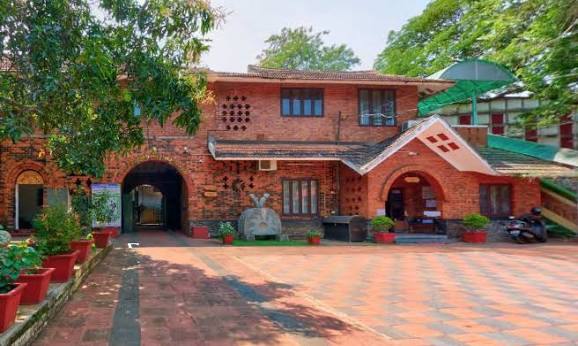
Headquartered in Thrissur, Kerala’s cultural capital, the Akademi has spent over six decades serving as the backbone of the state’s visual arts landscape. Whether you are an emerging painter looking for an exhibition grant, an art enthusiast planning gallery visits, or simply curious about how Kerala preserves its visual heritage, here is an in-depth look at what the Akademi does and why it matters.
1. How It Began: A Brief History
The Kerala Lalithakala Akademi was formally established on November 28, 1962, designed to give visual artists the same kind of institutional backing that performing artists and writers already enjoyed.
Its foundational leadership had deep artistic roots: the very first governing committee was chaired by M. Rama Varma Raja, the son of celebrated master painter Raja Ravi Varma.
In 1985, the institution was restructured and registered as an autonomous society under the Travancore-Cochin Literary, Scientific and Charitable Societies Registration Act, 1955. Operating autonomously under the Department of Cultural Affairs, Government of Kerala, the Akademi has since expanded its scope well beyond classical painting and academic realism to include contemporary installations, political cartooning, printmaking, photography, and digital arts.
Good to Know: People frequently mix up the Kerala Lalithakala Akademi with the National Lalit Kala Akademi in New Delhi. While they collaborate, the national academy was set up by the central government in 1954, whereas the Kerala Lalithakala Akademi is an autonomous state-level body created in 1962 focusing specifically on Kerala’s art community.
2. Core Mandate and Objectives
At its heart, the Akademi exists to keep Kerala’s visual culture vibrant, democratic, and accessible. Key priorities include:
-
Preserving Heritage: Safeguarding traditional mural arts, regional sculpture traditions, and historic masterworks.
-
Empowering Living Artists: Providing funding, artist residencies, and subsidised gallery spaces to ease the financial strain of independent creative work.
-
Encouraging Satire and Graphics: Acknowledging the unique cultural footprint of Kerala’s cartoonists, illustrators, and printmakers.
-
Democratising Access: Taking art out of elite urban bubbles and into regional public squares, village schools, and civic spaces.
-
Fostering Discourse: Publishing art critiques, journals, and exhibition catalogues that document contemporary art movements in Malayalam and English.
3. What the Akademi Does: Major Programmes & Opportunities
Rather than acting merely as an administrative office, the Akademi runs interactive programmes year-round across the state.
A. The Annual State Exhibition of Art & State Awards
The marquee event on the visual arts calendar is the State Exhibition of Art and Awards. Every year, artists from across Kerala submit original works across several mediums:
-
Painting & Drawing
-
Sculpture (Stone, Wood, Metal, Mixed Media)
-
Photography
-
Cartoons & Caricature
-
Graphics & Printmaking
-
Experimental / Transdisciplinary Installations
Submissions undergo an independent jury review. Selected entries are displayed in prominent state exhibitions—frequently launched at the iconic Durbar Hall in Ernakulam—with cash prizes, state medals, and honourable mentions awarded to standout works. Recent editions have reflected a clear evolution toward bold, experimental storytelling and strong participation from women artists.
B. Fellowships and Lifetime Honours
For veteran artists whose body of work has helped define Kerala’s cultural identity, the Akademi confers prestigious Fellowships and lifetime achievement awards. Special recognition is also awarded periodically for exceptional publications, biographies, and research volumes focusing on the arts.
C. Art Camps and Workshops
Exhibiting finished work is only half the creative equation; the Akademi’s camps give artists room to create collaboratively.
-
Traditional & Modern Collaborations: Camps like the National Wooden Sculpture Camp in Kannur bring together traditional temple woodcarvers and abstract contemporary sculptors to exchange techniques.
-
Grassroots Outreach: Specialized camps are organized for tribal youth, school children, and regional hobbyists, ensuring art education extends far beyond major metro colleges.
D. Artist Residencies
Space and uninterrupted time are the two things artists struggle most to find. Through residency initiatives—notably at the historic Raja Ravi Varma Cultural Centre in Kilimanoor—the Akademi provides residential studio access where creators can spend weeks developing large-scale bodies of work away from daily distractions.
E. Spotlighting Photography and Political Cartoons
Kerala has an enduring love affair with political cartoons and photojournalism. The Akademi actively preserves this legacy:
-
Photography: Regularly sponsors retrospectives, documentary exhibits, and international exchanges (such as the Tohoku: Through the Eyes of Japanese Photographers exhibition hosted with the Japan Foundation).
-
Cartooning: Supports dedicated cartoon retrospectives and honours Kerala’s pioneer satirists, maintaining close ties with the legacy of legendary cartoonist Shankar.
4. The Gallery Network: Where to Experience the Art
Unlike many state academies that operate from a single capital building, the Kerala Lalithakala Akademi maintains a network of 15 regional galleries and cultural complexes spanning north to south.
Standout Venues Worth Visiting
-
Durbar Hall Art Gallery (Ernakulam): A historic palace building in the center of Kochi, converted into one of South India’s premier air-conditioned contemporary art galleries.
-
Raja Ravi Varma Cultural Centre (Kilimanoor): Located near Ravi Varma’s ancestral palace, serving as a creative retreat and memorial museum.
-
Shankar Memorial Cartoon Museum (Krishnapuram, Kayamkulam): Dedicated to the life and sharp visual wit of K.P.S. Shankara Pillai (Shankar), father of Indian political cartooning.
-
A. Ramachandran Museum (Kollam): Inaugurated in October 2025 at the Sree Narayanaguru Cultural Complex, housing a permanent curated collection of monumental paintings and bronze sculptures by the master artist.
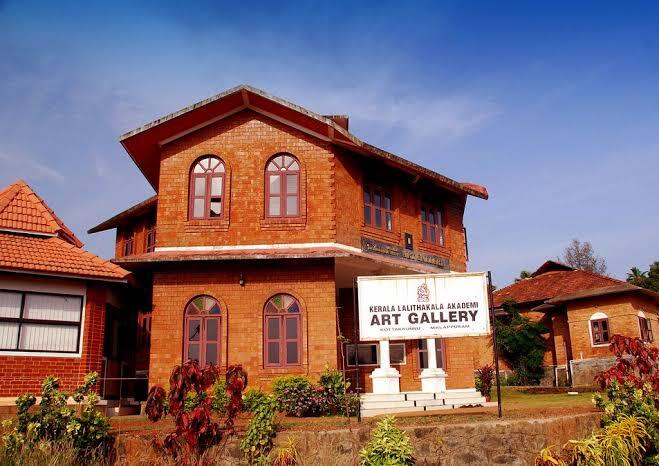
5. Landmark Projects and Public Art
Beyond gallery walls, the Akademi regularly embeds art into public and community spaces:
-
Bekal Beach Art Project: A national beachside wall-painting initiative in Kasaragod integrating art into public coastal tourism.
-
Ethrayum Chithram Chithram: Centenary celebrations and preservation archives dedicated to legendary illustrator Artist Namboodiri.
-
Gramakam Village Camps: Art camps run parallel to community folk and theater festivals, bridging the gap between rural audiences and contemporary artists.
-
School Art Gallery Projects: Providing curated prints and small art galleries to selected government schools across districts to nurture early aesthetic sensibility.
6. Practical Info: Grants, Visits & Contact
Grants and Artist Support
If you are a practicing visual artist from Kerala, keep an eye out for annual Akademi notifications regarding:
-
Exhibition Subsidies: Direct financial support toward catalog printing, framing, and hall rent for solo/group shows.
-
Student Scholarships: Annual financial assistance for students enrolled in recognized fine arts colleges (BFA/MFA).
-
Special Initiatives for Women Artists: Dedicated budget reservations for women sculptors, painters, and installation artists.
Head Office Details
-
Address: Kerala Lalithakala Akademi, Chembukkavu, Thrissur, Kerala – 680 020
-
Phone: 0487 233 3773
-
Email: secretary@lalithkala.org
-
Official Portal: lalithkala.org
-
Standard Office Hours: Monday through Saturday, 10:00 AM to 5:00 PM (Closed Sundays and public holidays)
How to Reach the Headquarters
-
By Train: Thrissur Railway Station (TCR) is roughly 3–4 km from Chembukkavu; an auto-rickshaw or local bus from the station or Sakthan Stand takes 10 to 15 minutes.
-
By Bus: The Thrissur KSRTC and private bus terminals have direct connectivity from all major Kerala towns.
-
By Air: Cochin International Airport (Nedumbassery) is the closest airport, roughly 55 km south via NH 544.
Frequently Asked Questions
1. Who can apply for the Kerala Lalithakala Akademi State Exhibition?
Any visual artist originating from or practicing in Kerala—as well as enrolled fine arts students—can submit entries once the annual notification is published on the official website.
2. Are the Akademi’s regional galleries open to the public?
Yes. Gallery spaces generally remain open during active exhibition runs, typically from late morning until evening. Because display schedules change between shows, it is best to check the current exhibition calendar or call ahead before visiting regional locations.
3. Does the Akademi only promote classical or traditional painting?
Not at all. While the Akademi preserves traditional art forms such as murals and classical woodwork, a major share of its current funding and gallery space goes toward modern photography, digital media, political cartoons, and experimental contemporary installations.