Top 5 wrestlers in india
There is something raw and honest about Indian wrestling. Long before modern mats, weight classes, and corporate sponsorships entered the picture, it lived in the soil of rural akharas. Young boys, covered head-to-toe in red earth and mustard oil, spent hours sparring, climbing ropes, and pushing heavy stones.
That culture laid the foundation. But over the last two decades, Indian wrestlers broke out of the village mud pits and started making serious noise on the Olympic stage.
While dozens of names have carried the tricolour, five wrestlers stand out for how they reshaped modern Indian sport, brought home Olympic hardware, and paved the way for the next generation.
1. Sushil Kumar: The Man Who Opened the Floodgates
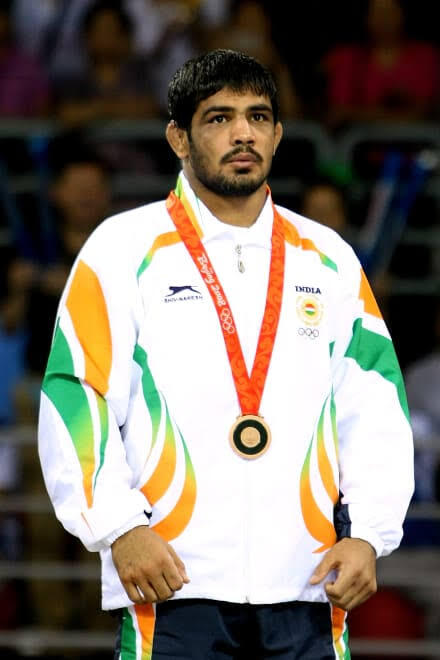
Before the 2008 Beijing Olympics, India’s wrestling legacy felt like a black-and-white photograph tucked away in the history books. K.D. Jadhav had won a bronze back in 1952, and that was it. Decades went by with nothing to show on the biggest stage.
Sushil Kumar changed all of that.
Hailing from Baprola, a small village on the fringes of Delhi, Sushil wrestled his way through the repechage rounds in Beijing to secure a historic bronze in the 66 kg freestyle event. Four years later in London (2012), he went one better, taking silver—becoming the first Indian post-independence to win two individual Olympic medals. Add a World Championship gold from Moscow in 2010, and his resume on the mat remains arguably the most accomplished in Indian sports history.
Note: While Sushil’s athletic achievements opened doors for every wrestler that followed, his later life was overshadowed by serious criminal charges and legal trials. Yet, purely in terms of what happened inside the ropes, his tactical grit set the modern standard.
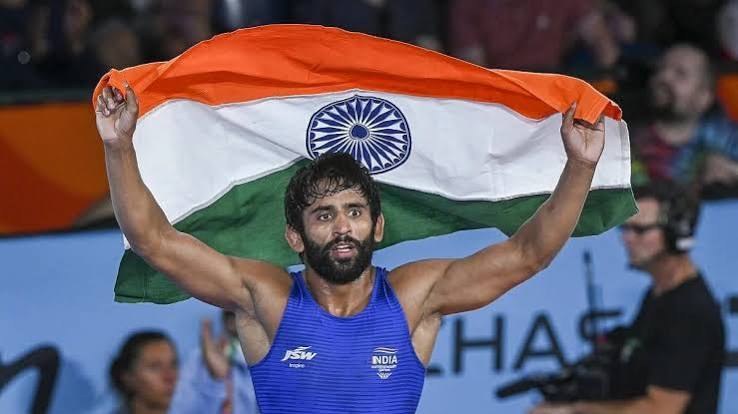
2. Bajrang Punia: Relentless Engine on the Mat
If you have ever watched Bajrang Punia wrestle, you know his style isn’t about flashy defensive moves. It’s an endurance test. He drags his opponents into deep waters, keeps moving forward, and breaks them through relentless stamina.
Coming out of Jhajjar, Haryana, Bajrang spent years under the wing of Yogeshwar Dutt. That apprenticeship paid off handsomely. Bajrang has captured four World Championship medals—the most by any Indian—along with gold at both the Asian and Commonwealth Games.
At the Tokyo 2020 Games, fighting through an injured knee in the bronze-medal bout, Bajrang shut out Kazakhstan’s Daulet Niyazbekov 8-0 to step onto the Olympic podium in the 65 kg category. He proved that high-pressure freestyle wrestling is as much about sheer cardiovascular willpower as technical perfection.
3. Yogeshwar Dutt: The Heart of a Fighter

Few athletes represent pure mental grit like Yogeshwar Dutt. During the 2012 London Olympics, Yogeshwar suffered a severe eye injury midway through the tournament. In the repechage rounds, his right eye was swollen completely shut.
Most competitors would have struggled just to track their opponent’s movements. Yogeshwar went on an absolute tear, winning three bouts in under an hour to bag a bronze medal in the 60 kg class. His signature move—the fitele (leg twist)—became legendary among Indian wrestling fans.
Beyond his London medal, he took home gold at the 2014 Asian and Commonwealth Games, cementing himself as a veteran leader who showed younger athletes that injuries and setbacks don’t have to define a tournament.
4. Ravi Kumar Dahiya: Ice in the Veins
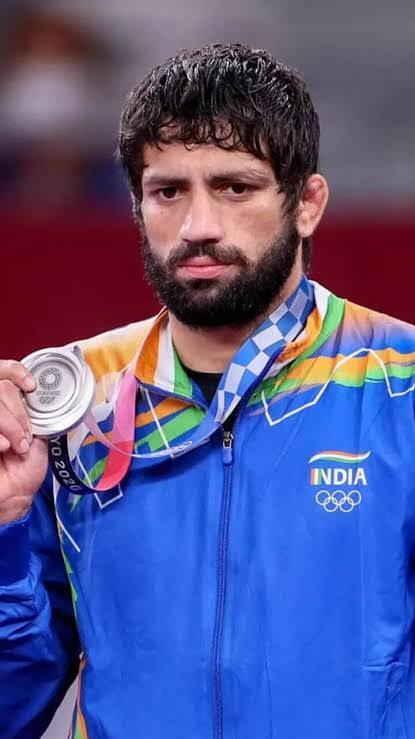
Ravi Dahiya’s performance at the Tokyo 2020 Olympics produced one of the most thrilling comebacks in Indian sports history.
In the 57 kg semi-final against Kazakhstan’s Nurislam Sanayev, Ravi was trailing 9-2 with time running out. Even after Sanayev bit his arm during a grapple, Ravi didn’t blink. He maintained his lock, executed a pin, and pulled off a stunning victory by fall.
He walked away with silver in the final, matching Sushil Kumar’s London feat. Born in Nahri, Haryana, and molded at Delhi’s famed Chhatrasal Stadium, Ravi represents modern, high-tempo wrestling: lightning-quick leg attacks, suffocating hand-fighting, and an unflinching temperament.
5. Sakshi Malik: Breaking the Ceiling
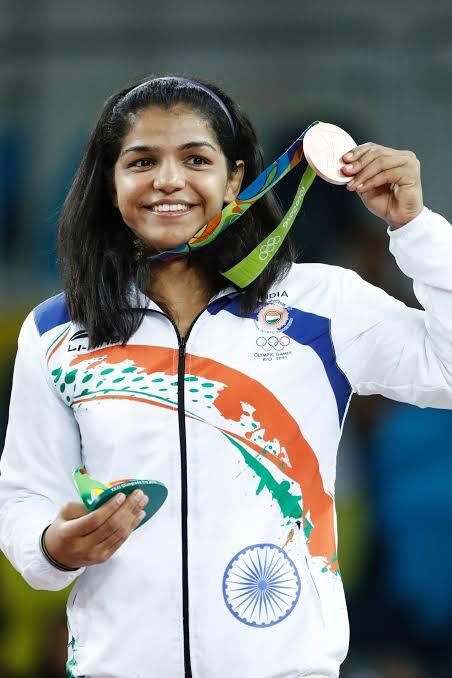
For generations, wrestling in northern India was considered an exclusively male domain. Girls were actively discouraged from stepping into the pit.
Sakshi Malik tore that script apart at the Rio 2016 Olympics.
In a tense 58 kg bronze-medal match against Aisuluu Tynybekova of Kyrgyzstan, Sakshi trailed 0-5. With mere seconds left on the clock, she produced a brilliant double-leg takedown and a roll to flip the score to 8-5, winning India’s first medal at the Rio Games and becoming the first Indian woman ever to win an Olympic wrestling medal.
That single bout carried immense cultural weight. Alongside pioneers like the Phogat sisters, Sakshi proved to skeptical communities across the country that women not only belong on the mat—they win on it.
The Rest of the Story: Pioneers and the New Wave
No honest conversation about Indian wrestling stops at five names:
-
K.D. Jadhav (1952): The grandfather of Indian Olympic success. He crowd-funded his journey to Helsinki and returned with bronze, proving India could compete with the world just five years after independence.
-
Aman Sehrawat (2024): Proving the pipeline is far from dry, Aman bagged bronze in Paris at just 21 years old, carrying forward Chhatrasal Stadium’s remarkable streak of Olympic medals.
-
Geeta & Babita Phogat: Their Commonwealth breakthroughs fundamentally altered how mainstream India views female wrestlers.
Why Does Wrestling Work in India?
Unlike sports that require imported synthetic turf or expensive personal gear, wrestling is accessible. It demands only two things: an opponent and space to fight.
India’s success isn’t an accident of genetics; it’s an ecosystem. The traditional akhara culture provides early discipline, strength work, and community respect. When that raw base is matched with international coaches, modern sports science, and high-level sparring partners, Indian wrestlers become podium contenders anywhere in the world.
Quick Answers (FAQ)
Who was the first Indian wrestler to win an Olympic medal?
Khashaba Dadasaheb (K.D.) Jadhav won bronze in freestyle wrestling at the 1952 Helsinki Games.
How does Olympic freestyle wrestling differ from WWE?
Olympic wrestling is an unscripted, highly regulated combat sport scored strictly on points, control, and pins across two three-minute periods. WWE is choreographed sports entertainment with scripted storylines and predetermined outcomes.
Which Indian state produces the most wrestling champions?
Haryana. Its strong akhara tradition, active state incentives for sports medals, and dedicated training infrastructure have turned it into the wrestling capital of India.
Has any Indian wrestler won an Olympic gold?
Not yet. Sushil Kumar (2012) and Ravi Kumar Dahiya (2020) have come the closest, each taking home silver medals.