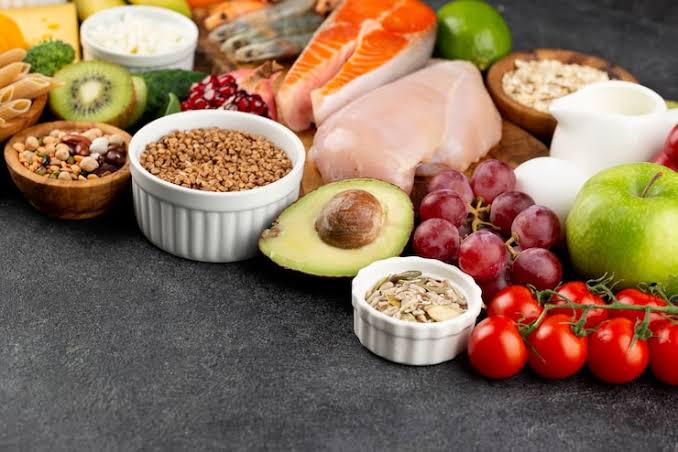
25 Best foods for healthy weight gain: high-calorie foods to gain weight naturally
Almost every fitness conversation revolves around shedding weight, but if you’re naturally lean or have a lightning-fast metabolism, putting on pounds can feel like a full-time job. Eating till you’re uncomfortably stuffed three times a day rarely works, and reaching for sugary junk or deep-fried takeout just leaves you feeling sluggish.
Healthy weight gain isn’t about “dirty bulking.” It comes down to picking calorie-dense, nutrient-rich foods that pack quality fuel—healthy fats, protein, and complex carbs—without bloating your stomach to capacity.
Here are 25 of the best everyday foods to help you build size naturally, along with realistic ways to work them into your meals.
The 25 Best High-Calorie Foods for Healthy Weight Gain
1. Bananas
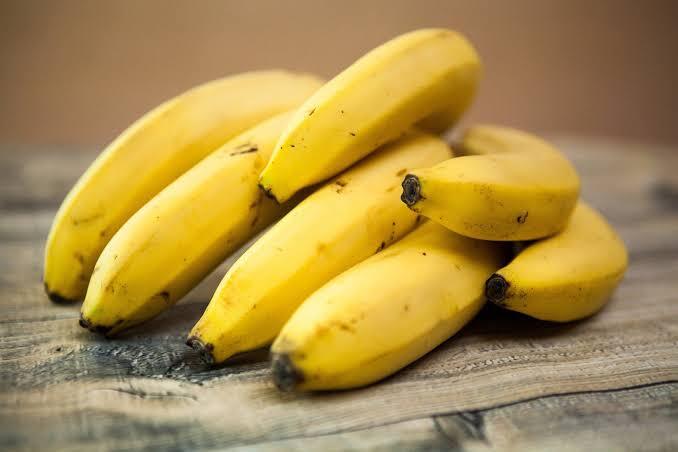
A large banana delivers around 100–110 calories of easy-to-digest carbs. They’re cheap, naturally sweet, and require zero prep.
-
How to eat them: Slice them onto warm oatmeal, slather with peanut butter, or blend them into thick shakes with milk and oats.
2. Whole Milk
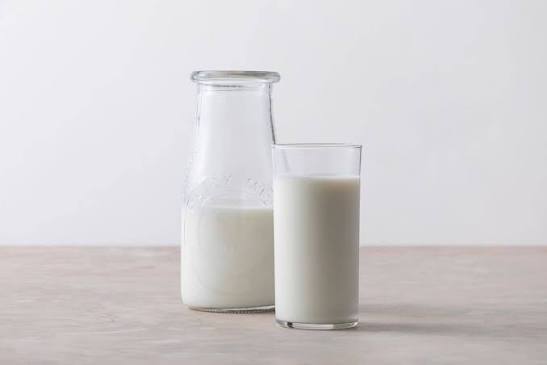
If your digestive system tolerates dairy, whole milk is one of the easiest ways to drink your extra calories without feeling overly full. One large glass gives you around 150 calories alongside 8 grams of complete protein, calcium, and healthy dairy fats.
-
How to eat it: Drink a glass alongside breakfast, stir it into your morning porridge, or use it as the liquid base for smoothies.
3. Almonds
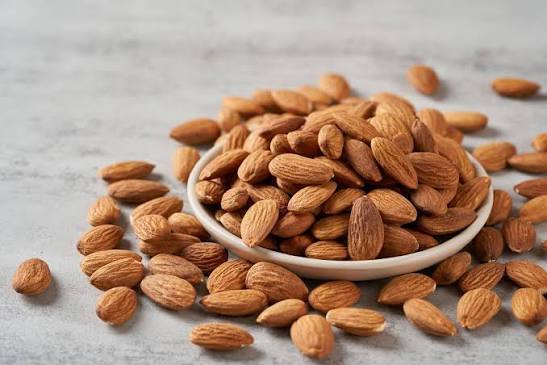
A small handful (about 28 grams) packs around 160–170 calories, mostly from heart-healthy monounsaturated fats, plus vitamin E and magnesium.
-
How to eat them: Keep a jar at your desk for a zero-effort afternoon snack, chop them over cereal, or blend soaked almonds into milk.
4. Peanut Butter
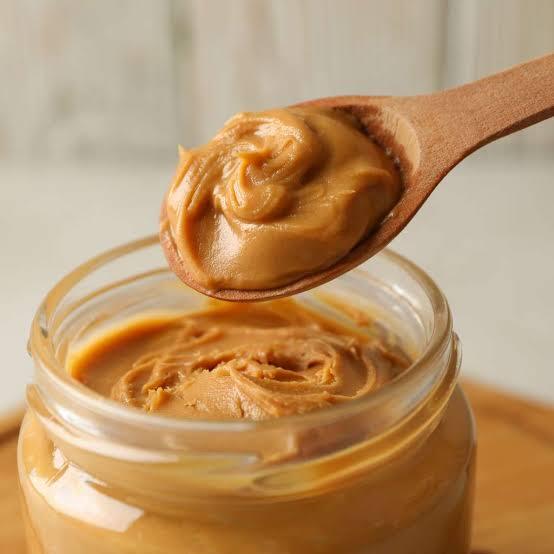
Two tablespoons clock in at nearly 190–200 calories with a solid dose of protein and healthy fats. It’s dense, filling, and transforms simple carbs into substantial snacks.
-
How to eat it: Spread generously over toasted whole-wheat bread, dip apple slices in it, or toss a spoonful straight into the blender.
5. Whole Eggs
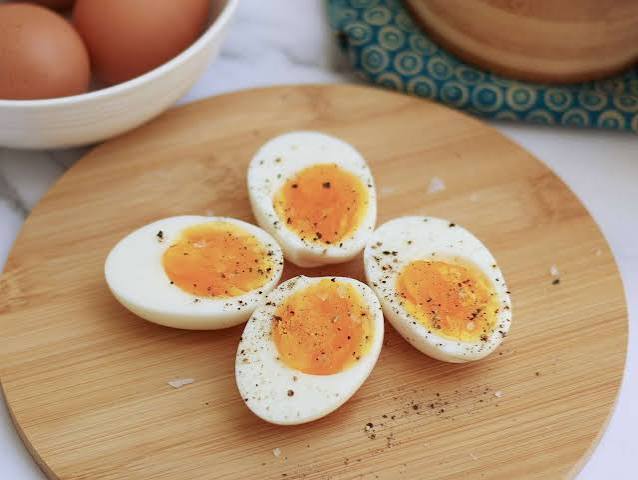
Don’t skip the yolk—that’s where all the fat-soluble vitamins, choline, and half the calories live. A large whole egg provides roughly 70–80 calories and 6 grams of high-biological-value protein.
-
How to eat them: Scramble three eggs in a little butter for breakfast, keep hard-boiled eggs handy in the fridge, or fold them into a loaded vegetable omelette.
6. Paneer (Cottage Cheese)
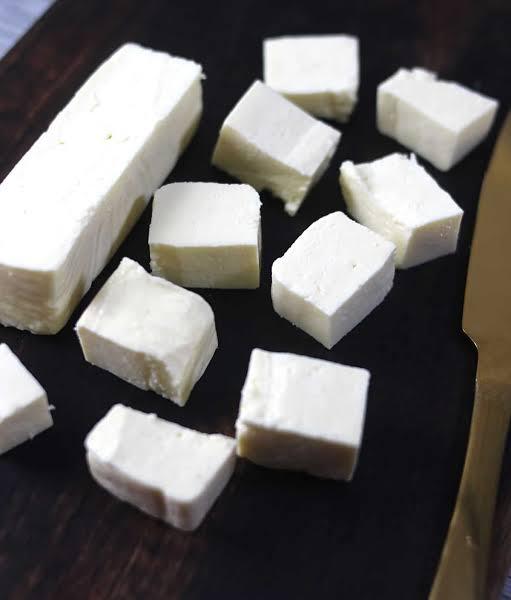
A powerhouse for vegetarians, fresh full-fat paneer offers between 260 and 320 calories per 100-gram serving, loaded with casein protein and calcium.
-
How to eat it: Sauté paneer cubes with mild spices for a quick evening snack, make a rich paneer bhurji for breakfast, or toss it into vegetable stir-fries.
7. White & Brown Rice
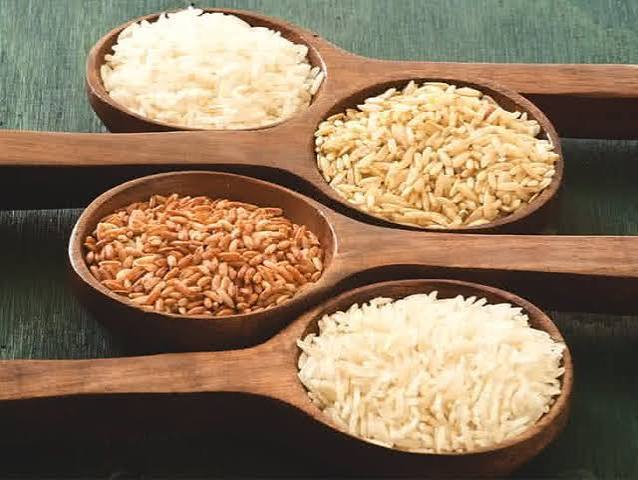
Rice is the universal weight-gainer’s best friend because it sits lightly on the stomach and lets you consume plenty of carbs without early satiety. One cooked cup yields roughly 200–210 calories.
-
How to eat it: Serve warm rice topped with a spoonful of ghee and thick dal, or batch-cook chicken and vegetable pulao for lunch.
8. Rolled Oats
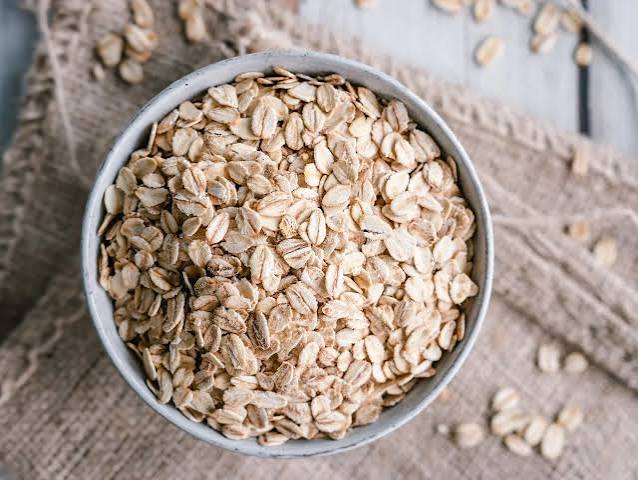
While plain oats are relatively modest in calories, their porous texture makes them the ultimate vehicle for calorie-dense toppings.
-
How to eat them: Cook rolled oats directly in whole milk instead of water, then stir in sliced banana, a tablespoon of peanut butter, crushed nuts, and a drizzle of honey.
9. Walnuts
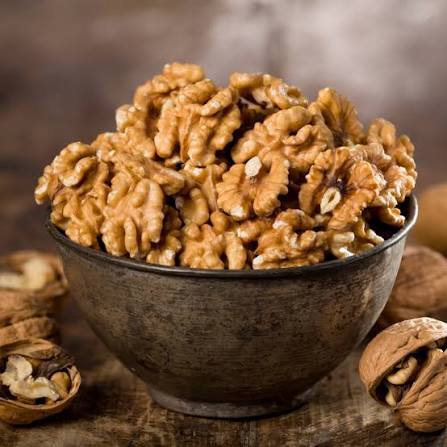
Walnuts stand out because they’re loaded with plant-based omega-3 fatty acids (ALA). An ounce yields almost 185 calories.
-
How to eat them: Crumble them over morning yogurt, mix them with dried cranberries for DIY trail mix, or blend them into pestos and sauces.
10. Dates
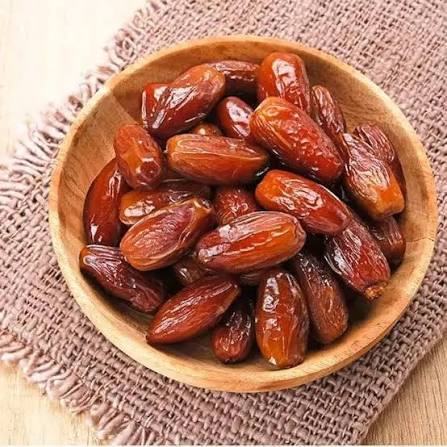
Dates are pure, concentrated natural energy. Just three or four Medjool dates add around 250 calories packed with potassium and dietary fiber.
-
How to eat them: Slit dates open and stuff them with almond butter, chop them into warm milk, or blend them directly into milkshakes as a natural sweetener.
11. Potatoes
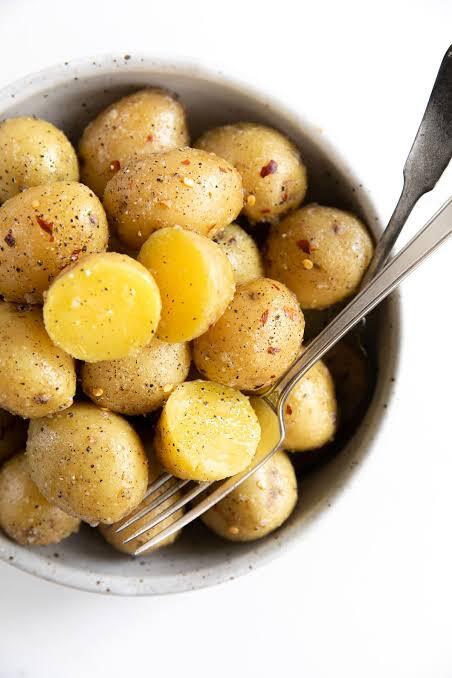
Potatoes provide clean complex carbohydrates, vitamin C, and potassium. Because they absorb fats and dairy easily, they’re fantastic for bumping up meal density.
-
How to eat them: Make creamy mashed potatoes with butter and whole milk, roast diced potatoes with olive oil and herbs, or bake and top with cheese.
12. Sweet Potatoes
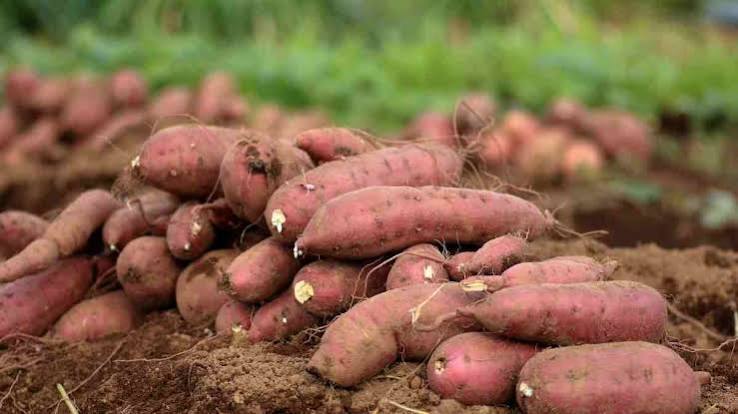
Sweet potatoes deliver sustained energy, dietary fiber, and beta-carotene with a naturally sweet taste that prevents palate fatigue.
-
How to eat them: Roast thick wedges with olive oil, or steam and mash them alongside grilled chicken or boiled eggs.
13. Fresh Coconut & Coconut Milk
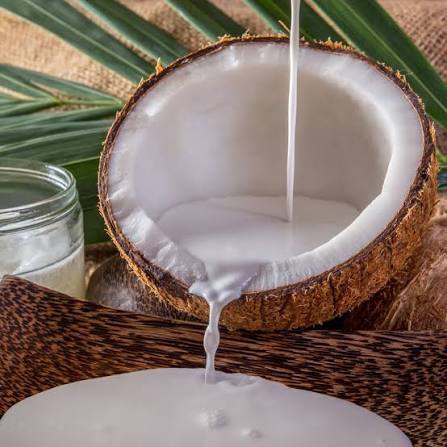
Coconut is rich in medium-chain triglycerides (MCTs), which provide quick, clean energy. Grated fresh coconut and thick coconut milk turn ordinary meals into calorie-rich comfort food.
-
How to eat them: Use fresh grated coconut in stir-fried vegetable sabzis, cook with rich coconut milk curries, or blend a splash into breakfast fruit smoothies.
14. Pure Ghee

Clarified butter provides concentrated calories—around 115–125 calories per single tablespoon—with a high smoke point and rich aroma.
-
How to eat it: Brush it warm over freshly made chapatis, drizzle a teaspoon over hot rice and dal, or stir it into hot khichdi.
15. Chikoo (Sapota)
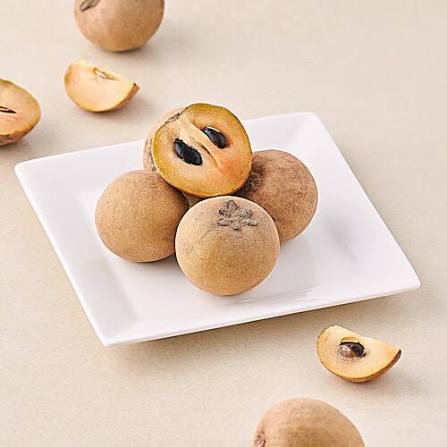
This sweet tropical fruit is dense in natural fructose, sucrose, and soluble fiber, making it far more calorie-dense than watery fruits like melon or oranges.
-
How to eat it: Peel and eat two ripe chikoos as an afternoon snack, or blend them with chilled whole milk and cashews for a velvety milkshake.
16. Raisins
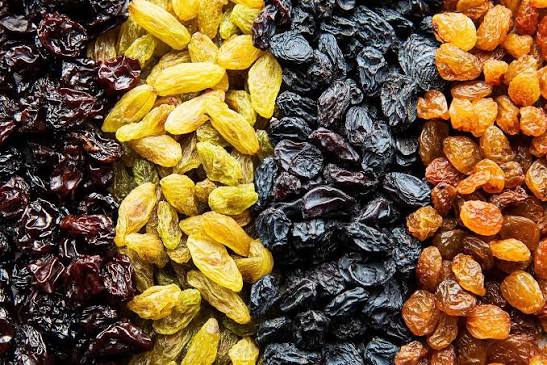
Because all the moisture has been removed, dried fruits like raisins give you a high calorie punch in a tiny volume. A half-cup easily delivers over 200 calories.
-
How to eat them: Toss a handful into your oats, mix them into spiced rice dishes, or keep a bag in your pocket for snacking on the go.
17. Chickpeas (Kabuli Chana) & Kala Chana
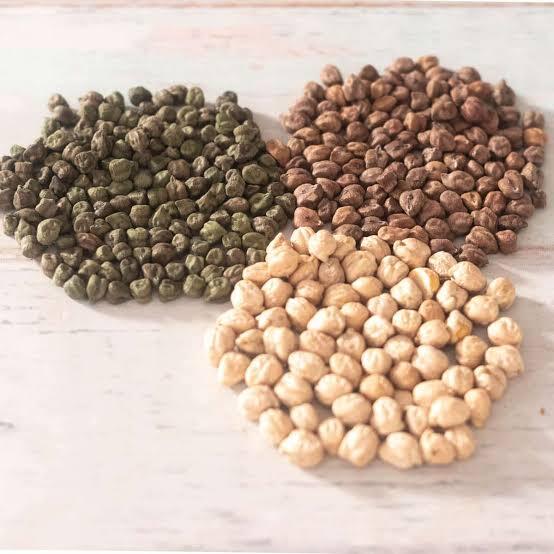
Chickpeas offer the perfect one-two punch of plant protein and complex carbohydrates, keeping muscles fueled while packing density.
-
How to eat them: Cook traditional chana masala with rice, blend chickpeas into homemade olive oil hummus, or make a quick boiled-chana salad with tomatoes and onions.
18. Lentils & Dals
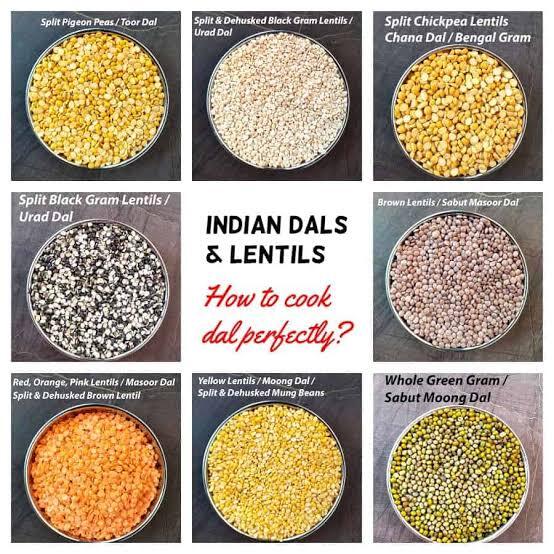
A staple comfort food, thick lentils (like toor, moong, and masoor) provide sustained energy, gut-friendly fiber, and iron.
-
How to eat them: Don’t water down your dal—keep it thick, temper it with a generous spoon of ghee or mustard oil, and ladle it over rice.
19. Full-Fat Curd (Dahi) / Greek Yogurt

Skip low-fat options. Full-fat curd provides gut-soothing probiotics, bioavailable calcium, and quality dairy protein.
-
How to eat it: Make rich salted lassi, stir in chopped fruit and roasted nuts for an easy dessert, or enjoy a bowl alongside lunch.
20. Chicken (Especially Thighs)
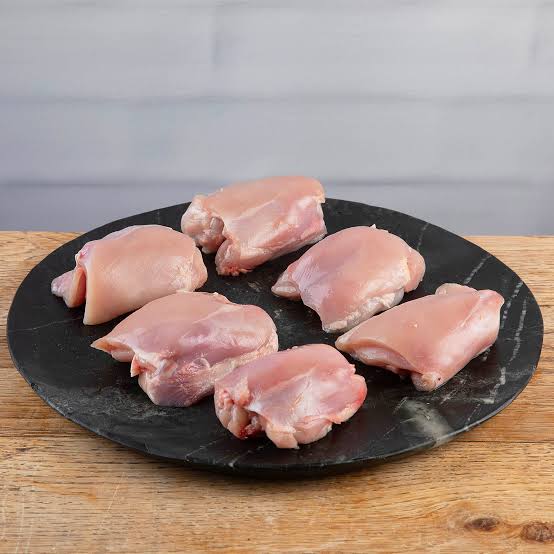
Chicken breast is great for lean protein, but bone-in chicken thighs provide more calories, juicier flavor, and healthy fats that make weight gain easier.
-
How to eat them: Simmer in homestyle curry, grill seasoned chicken thighs with roasted sweet potatoes, or shred leftover meat into hearty sandwiches.
21. Fatty Fish (Sardines, Mackerel, Salmon)
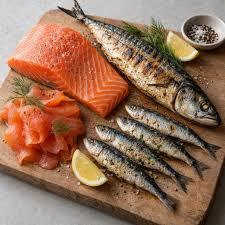
Fatty fish supply high-grade protein alongside essential EPA and DHA omega-3s, which support joint health and recovery when you’re working out.
-
How to eat them: Prepare a tangy homestyle fish curry, shallow-fry mackerel with black pepper and spices, or serve grilled fillets alongside buttered rice.
22. Avocados
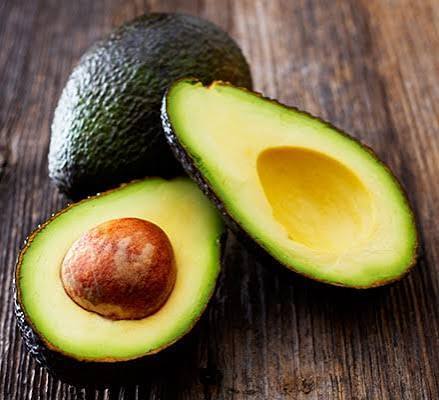
Unlike almost all other fruits that run on sugar, avocados are almost entirely heart-healthy monounsaturated fat. A single whole avocado packs 250–300 calories.
-
How to eat them: Mash onto thick sourdough toast with a pinch of sea salt, slice into salads, or blend half an avocado into any smoothie for an ultra-creamy texture.
23. Cheese
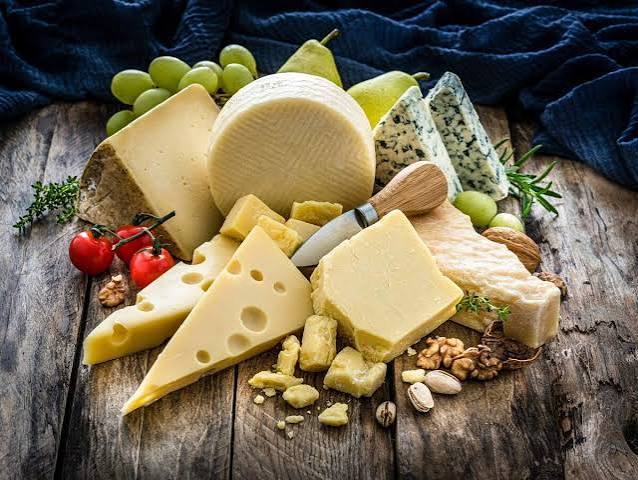
Real cheese delivers concentrated dairy fat, protein, and calcium in a small, versatile serving.
-
How to eat it: Melt cheddar into your morning scrambled eggs, layer cheese into toasted sandwiches, or grate parmesan over pasta and roasted vegetables.
24. Tofu and Edamame / Soybeans
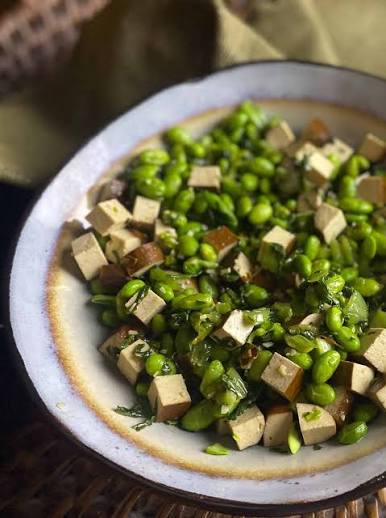
Soy is one of the few complete plant proteins containing all nine essential amino acids. Firm tofu readily soaks up marinades and spices.
-
How to eat it: Pan-sear firm tofu slices in sesame oil, toss edamame into grain bowls, or simmer soy chunks in a savory, spiced gravy.
25. Seeds (Chia, Pumpkin, Sunflower, Flax)
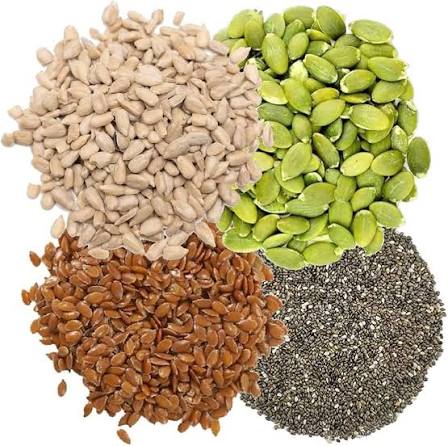
Seeds are tiny nutrition bombs. Just two tablespoons of pumpkin or sunflower seeds give you around 150 calories along with zinc, magnesium, and plant protein.
-
How to eat them: Stir chia seeds into milk or curd, sprinkle roasted sunflower seeds over meals, or keep a roasted seed mix handy for snacking.
Calorie Reference Cheat Sheet
| Food Item | Typical Portion | Approximate Calories |
| Peanut Butter | 2 tablespoons | 185–195 kcal |
| Paneer (Full Fat) | 100 grams | 260–300 kcal |
| Cooked White Rice | 1 medium cup | ~200 kcal |
| Whole Milk | 1 glass (250 ml) | 150–160 kcal |
| Almonds / Walnuts | 1 ounce (approx. 28g) | 165–185 kcal |
| Ghee | 1 tablespoon | 115–125 kcal |
| Banana | 1 medium fruit | 105 kcal |
| Medjool Dates | 3 medium dates | 70–80 kcal |
| Rolled Oats | 40g (dry) | 150 kcal |
Realistic Daily Meal Framework
Rather than overwhelming your stomach with massive meals, spread your intake across the day:
-
Morning Fuel: 1 glass of whole milk + 1 banana (or 3 soaked dates and almonds).
-
Breakfast: 2–3 whole eggs (or paneer bhurji) cooked in butter/ghee + 2 whole-wheat parathas or toasted thick bread.
-
Mid-Morning: A palmful of mixed nuts (almonds, walnuts) and raisins.
-
Lunch: A generous plate of rice, thick dal tempered with ghee, seasonal vegetables, a bowl of full-fat curd, and chicken, fish, or paneer.
-
Evening Snack: High-calorie homemade smoothie (banana, whole milk, oats, and peanut butter).
-
Dinner: Balanced warm meal—chapatis or rice with a solid protein source (tofu, dal, fish, or chicken) and cooked greens.
-
Before Sleep: A warm mug of milk with a pinch of turmeric and honey, or a small handful of cashews.
3 High-Calorie Homemade Shakes (No Powders Needed)
1. The Classic Peanut Butter & Banana Shake
-
Blend: 1 ripe banana, 250 ml whole milk, 2 tbsp rolled oats, 1 heaping tbsp peanut butter, and a pinch of cinnamon.
-
Calories: ~450–500 kcal.
2. Rich Date & Cashew Cream Shake
-
Blend: 4 pitted soft dates, 8–10 soaked cashews, 250 ml warm whole milk, and a tiny pinch of cardamom.
-
Calories: ~420 kcal.
3. Creamy Avocado Berry Smoothie
-
Blend: 1/2 ripe avocado, 1/2 cup curd, 200 ml milk, 1 tbsp honey, and a handful of berries or a banana.
-
Calories: ~380–420 kcal.
5 Practical Rules That Actually Move the Scale
-
Prioritize Liquid Calories Between Meals: Drinking a nutrient-dense shake 60–90 minutes after lunch is far easier on your digestion than forcing down another plate of solid food.
-
Add “Calorie Invisible” Upgrades: Don’t just eat dry carbs. Add a drizzle of cold-pressed oil or ghee to your rice, toss seeds into your salads, and mix milk powder or nut butter into warm porridge.
-
Lift Heavy, Consistent Weights: If you eat in a calorie surplus without challenging your muscles, most of that weight will settle as visceral and subcutaneous fat. Compound resistance exercises (squats, deadlifts, presses, rows) signal your body to turn those surplus calories into lean tissue.
-
Don’t Drink Large Glasses of Water Right Before Eating: Filling your stomach with zero-calorie water 15 minutes before lunch blunts natural hunger hormones and leaves you feeling prematurely bloated.
-
Track Weekly Averages, Not Day-to-Day Flips: Water retention, sodium, and digestion cause your weight to bounce around daily. Weigh yourself once or twice a week, first thing in the morning after using the bathroom, and look for a steady upward climb of roughly 0.25 to 0.5 kg (0.5–1 lb) per week.