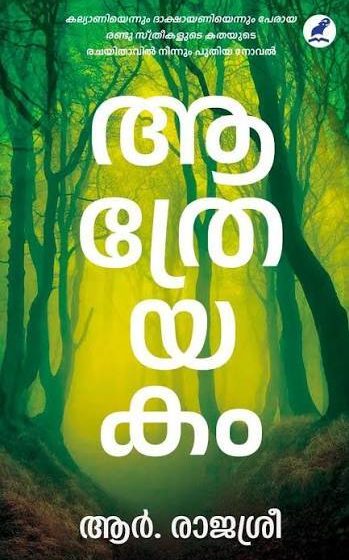
50th Vayalar award for R. Rajasree’s ‘Aathreyakam’: the malayalam novel that earned a place in literary history
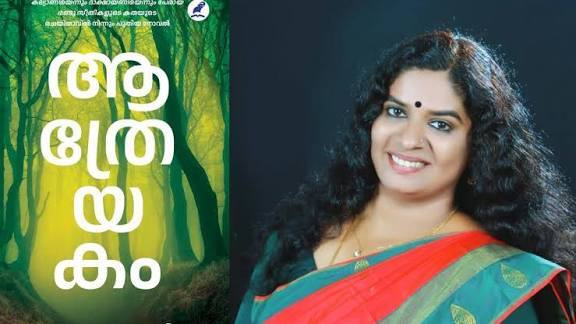
When the Vayalar Ramavarma Memorial Literary Award announced its 50th edition winner, it wasn’t just celebrating another book—it was marking a golden jubilee for one of Kerala’s most watched literary honors. This year, the prize went to Dr. R. Rajasree for her novel Aathreyakam (published by Mathrubhumi Books), putting the Kannur-based writer right at the center of the cultural conversation.
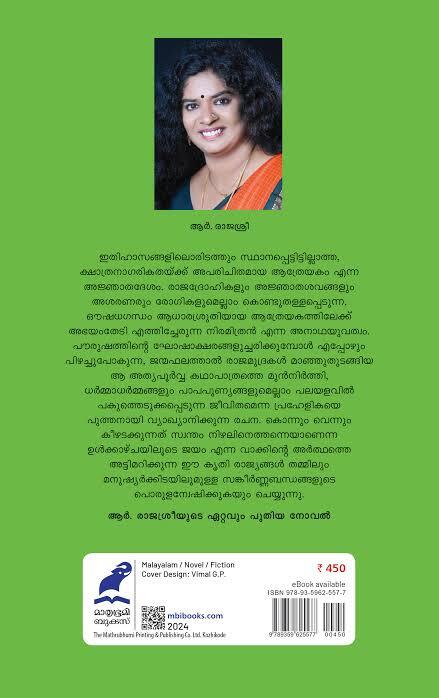
Rajasree isn’t a stranger to critical acclaim; her earlier work, Kalyaniyennum Dakshayaniyennum Peraya Randu Sthreekalude Katha, struck a chord across the state and picked up a Kerala Sahitya Akademi Award. But Aathreyakam steps into very different territory. Set in an unfamiliar, sheltering sanctuary that draws the broken, marginalized, and abandoned, the story tracks its central figure—the orphaned Niramithran—while unraveling difficult questions around identity, belonging, and moral survival.
The three-member selection panel, comprising O.V. Usha, Subhash Chandran, and V. Vijayakumar, backed the novel for its ambition and narrative craft.
A Pre-Award Controversy
Just as the celebrations were ramping up in October 2026, the announcement ran into public friction.
Author Dr. Vinayasree raised objections, pointing to what she claimed were unmistakable parallels between Aathreyakam and three of her own earlier novels based on Mahabharata themes: Panchaliyude Ezhu Rathrikal, Hidumbi, and Shikhandi. She took her concerns directly to the Vayalar Award Trust, asking them to hold and review their decision.
Rajasree was quick to push back, clarifying that she had already taken the issue to the Thalassery Munsiff Court by filing a ₹5 lakh defamation suit against Vinayasree.
The Vayalar Trust, for its part, didn’t flinch. They reiterated that the selection held up to their standard multi-stage evaluation process and proceeded with the scheduled ceremony at Nishagandhi Auditorium in Thiruvananthapuram, where the award—a ₹1 lakh purse, a citation, and Kanayi Kunhiraman’s iconic bronze statuette—was formally handed over.
While social media and cultural columns jumped into heated debates over where creative inspiration ends and plagiarism begins, seasoned readers know the real verdict lives on the page. Disputed claims belong in the courtroom; the literary merits of the text belong to the reading public.
Why the Novel Deserves a Closer Look
Controversies usually have one silver lining: they get people reading who might have otherwise scrolled past.
Aathreyakam doesn’t hand out tidy answers. By subverting epic conventions and giving voice to characters pushed to the fringe of grand narratives, Rajasree creates something dense and reflective. For literature students, teachers, and anyone following modern Malayalam prose, it offers plenty of raw material on how classical traditions can be pulled apart and rebuilt for today’s world.
If you’re picking up a copy, here are the quick details:
-
Title: Aathreyakam (ആത്രേയകം)
-
Author: Dr. R. Rajasree
-
Publisher: Mathrubhumi Books
-
ISBN: 9789359625577
-
Format: Paperback / Malayalam Fiction
Whether you pick it up because of the headlines or simply because you appreciate daring fiction, Aathreyakam is bound to keep Malayalam literary circles talking for quite some time.
Quick Facts & Questions
Who won the 50th Vayalar Award?
Dr. R. Rajasree, for her Malayalam novel Aathreyakam, published by Mathrubhumi Books.
What does the award include?
A cash prize of ₹1 lakh, a bronze sculpture by Kanayi Kunhiraman, and an official citation.
What is the core premise of Aathreyakam?
The book revolves around a mythical sanctuary called Aathreyakam—a haven for society’s outcasts and displaced souls—and follows the life of an enigmatic, orphaned youth named Niramithran.
Who evaluated this year’s entries?
The judging panel included writers O.V. Usha, Subhash Chandran, and V. Vijayakumar.
Why is this 50th edition notable?
Beyond reaching its half-century mark, the award coincided with the wider 2025–26 Vayalar commemorative year honoring the lyricist and poet’s enduring legacy