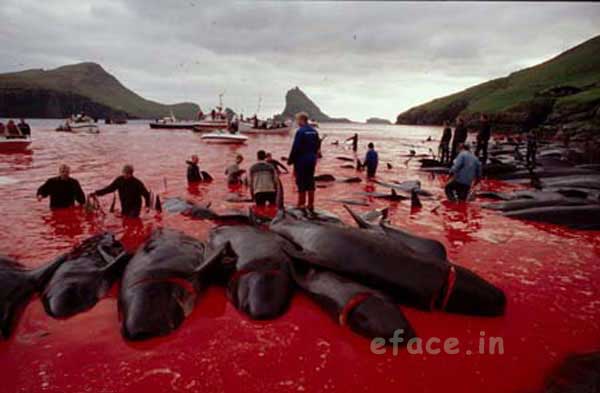
Denmark is a big shame to whole world
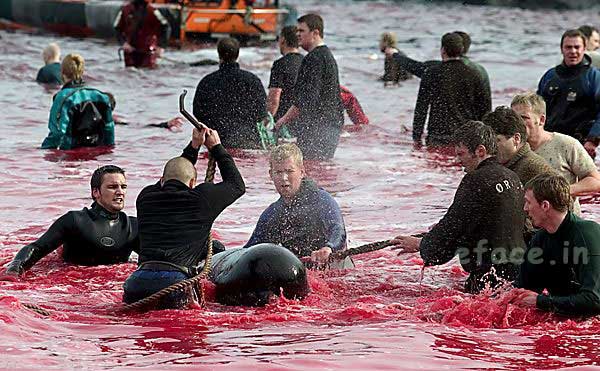
Every year, the same gruesome photos circulate online: a tranquil bay in the North Atlantic choked red with blood, while rows of pilot whales and dolphins lie sliced open on the shore.
Most people know it as the Grindadráp—the traditional drive hunt carried out in the Faroe Islands, a self-governing territory under the Kingdom of Denmark. And every year, the response from outside observers is identical: disbelief, horror, and anger directed at Copenhagen for letting it happen.
The standard defense has always been cultural heritage. Proponents argue that the hunt is non-commercial, strictly communal, and an age-old way to feed island communities. But in an era where we understand more than ever about the cognitive depth and emotional lives of marine mammals, “we’ve always done it this way” has worn thin.
The tipping point for many came in September 2021, when a single hunt in Skálafjørður wiped out 1,423 Atlantic white-sided dolphins in one afternoon. The scale was so staggering that even the Faroese government conceded it got out of hand, hastily floating an annual quota of 500 dolphins to stem the global backlash. Yet fast-forward to 2026, and reports from groups like OceanCare and World Animal Protection show hundreds more whales and dolphins killed in spring hunts alone, alongside legislative moves to strip these animals from standard animal welfare protections.
The crux of the controversy isn’t just about species numbers—it’s about animal welfare. Dolphins and pilot whales are deeply sentient, highly social animals. They live in matriarchal pods, communicate through dialectical clicks and whistles, and display grief and stress just as land mammals do. Herding entire family units with motorboats, trapping them in shallows, hooking their blowholes, and severing their spinal cords causes immense physical and psychological trauma, regardless of how quickly hunters claim it’s done. Sustainability on a spreadsheet doesn’t cancel out prolonged agony on the beach.
Politically, Denmark tends to wash its hands of the issue by pointing to Faroese home rule. Because the islands manage their own fisheries and domestic wildlife laws, Danish officials treat the hunts as an internal Faroese matter. But to the rest of the world, that distinction feels like a bureaucratic dodge. The Faroe Islands remain under Danish sovereignty, fly the Danish realm’s banner on the international stage, and rely on Denmark for defense and foreign affairs. Looking the other way while modern drive hunts occur under your jurisdiction invites global scrutiny.
The Faroe Islands are not an isolated medieval outpost struggling to survive the winter. They have world-class infrastructure, high standards of living, and fully stocked supermarkets. Traditions matter, but cultures adapt all the time when old practices clash with modern ethics. Honoring island history doesn’t require butchering super-pods of dolphins in shallow bays.
Real change won’t come from aggressive online abuse aimed at ordinary islanders, but it will require sustained pressure on both Tórshavn and Copenhagen. If international treaties, diplomatic pushback, and public boycotts can force modern governments to rethink environmental standards, they can certainly force a reckoning here. Tradition should be a source of community pride—not an excuse to ignore cruelty.
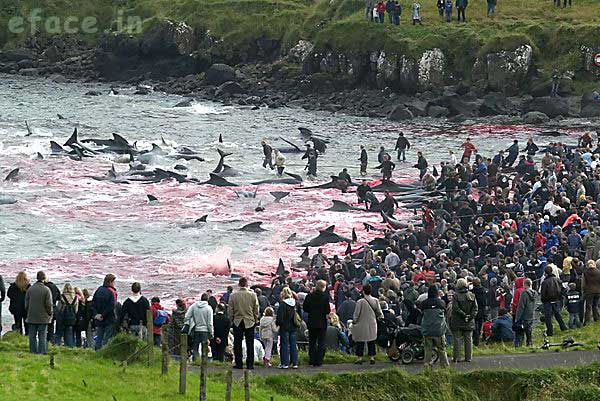
The sea is stained in red and it’s not because of the climate effects of nature.
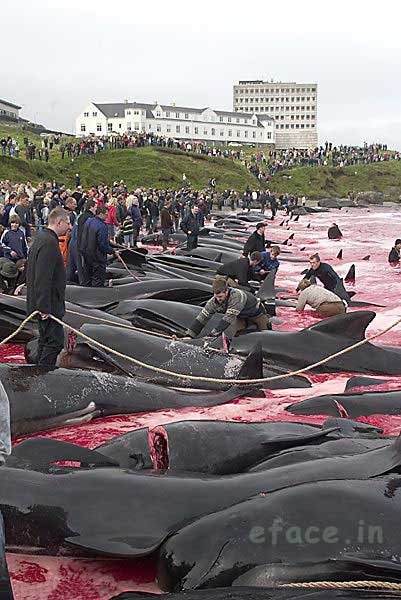
It’s because of the cruelty that the human beings (civilised human) kill hundreds of the famous and intelligent Calderon dolphins
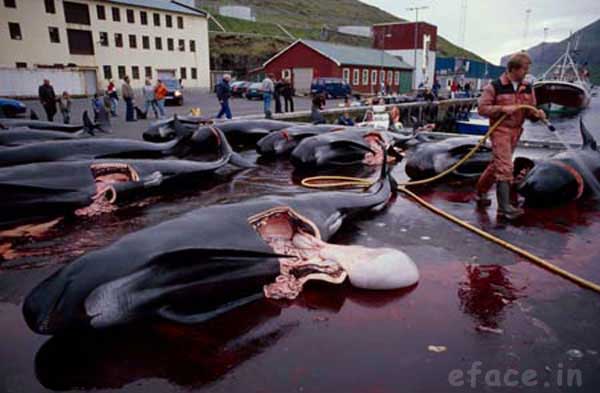 This happens every year in Feroe iland in Denmark . In this slaughter the main participants are young teens. WHY?
To show that they are adults and mature…. BULLLLsh
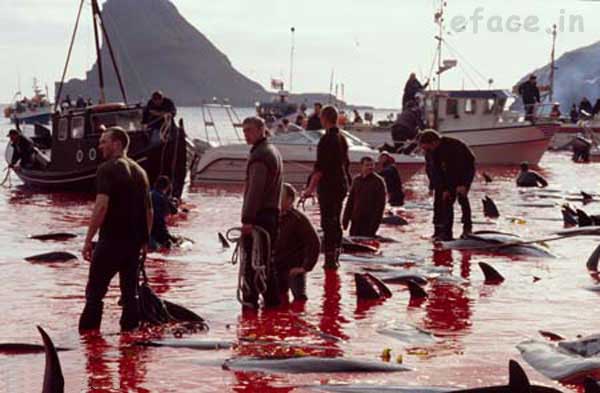
In this big celebration, nothing is missing for the fun. Everyone is participating in one way or the other, killing or looking at the cruelty “supporting like a spectator”
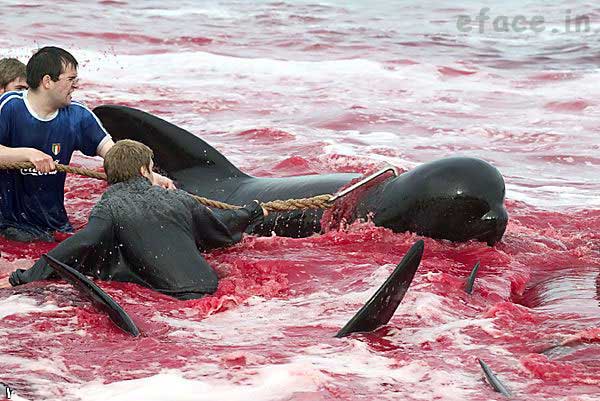
Is it necessary to mention that the dolphin calderon, like all the other species of dolphins, it’s near instinction and they get near men to play and interact. In a way of PURE friendship
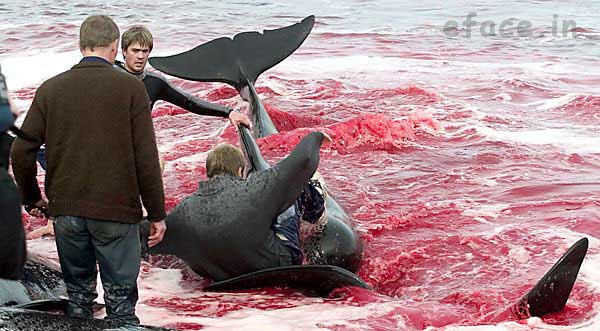
They don’t die instantly; they are cut 1, 2 or 3 times with thick hocks. And at that time the dolphins produce a grim extremely compatible with the cry of a new born child.
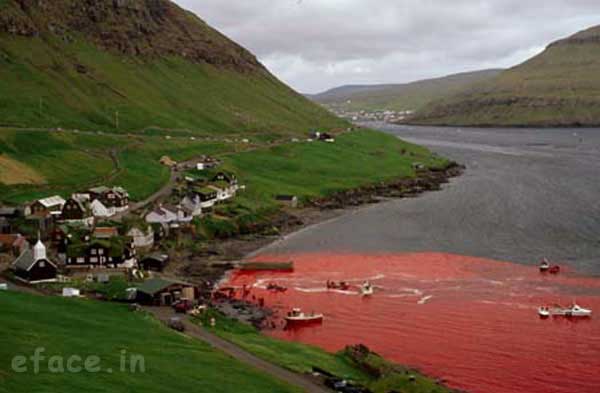 But he suffers and there’s no compassion till this sweet being slowly dies in its own blood
Its enough! We will send this mail until this email arrives in any association defending the animals, we won’t only read.
Take care of the world, it is your home!