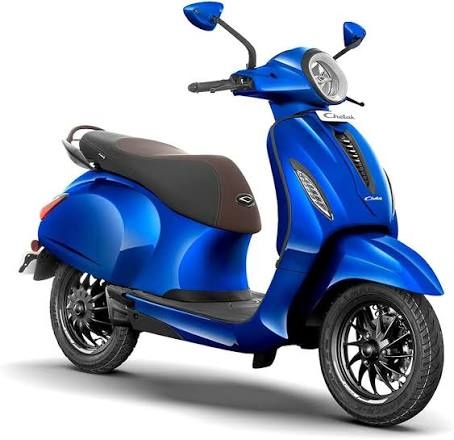
Top 5 electric scooter brands in india
Buying an electric scooter in India is no longer an experiment for early adopters. With petrol hovering around ₹100 a litre, switching to an EV makes obvious financial sense for daily office commutes and grocery runs.
The landscape has also shifted dramatically. While tech startups kickstarted the EV boom, legacy manufacturers have caught up fast, bringing proven build quality and massive service networks to the table. Choosing the right brand now comes down to real-world battery reliability, build quality, and whether there is an actual service centre near your house when something glitches.
Quick Brand Comparison
| Brand | Standout Strength | Flagship Lineup | Real-World Range (Avg.) | Best For |
| TVS | Family comfort, dependable after-sales | iQube series | 75 – 115 km | First-time EV buyers, families |
| Bajaj | Solid metal build, premium retro design | Chetak series | 90 – 120 km | Durability, classic styling |
| Ather Energy | Sporty handling, refined software, fast charging | 450X, 450S, Rizta | 85 – 125 km | Tech lovers, spirited riders |
| Vida (Hero) | Removable batteries, apartment-friendly | V1 / V2 series | 80 – 110 km | High-rise dwellers without ground parking |
| Ola Electric | High paper specs, hyper-modern tech, boot space | S1 Pro, S1 X | 90 – 145 km | Budget-to-spec hunters |
1. TVS: The Safest, No-Nonsense Family Pick
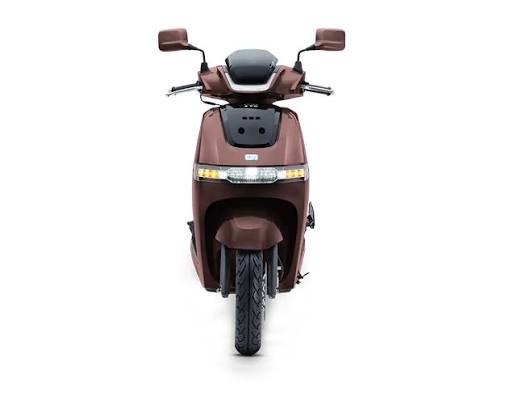
TVS approached the EV segment with common sense: build an electric scooter that feels exactly like a conventional petrol scooter. The iQube looks familiar, rides comfortably, and avoids unnecessary gimmicks.
-
Why it works: Excellent suspension tuned for broken Indian roads, an exceptionally comfortable flat floorboard, and a calm, predictable throttle. Crucially, TVS’s massive dealership and service network means finding replacement parts or scheduling a service isn’t a headache.
-
Watch out for: Styling is conservative, and performance is sensible rather than thrilling.
2. Bajaj: Built Like a Tank
Bajaj revived its iconic moniker with the electric Chetak, focusing on fit, finish, and metal body panels rather than plastic cladding.
-
Why it works: It feels solid and durable. The paint finish, sheet-metal construction, and retro-modern curves give it an upmarket presence that plastic-heavy competitors can’t match. Bajaj’s widespread showroom reach also gives buyers peace of mind.
-
Watch out for: It is on the heavier side, and the software interface is fairly basic compared to Ather or Ola.
3. Ather Energy: The Benchmark for Software & Handling
Ather remains the enthusiast’s choice. Built from the ground up as an EV, the 450 series offers razor-sharp handling and one of the smoothest, bug-free dashboard interfaces in the industry. The introduction of the family-oriented Rizta has broadened their appeal to everyday commuters.
-
Why it works: True-range accuracy (their dashboard range estimate rarely lies), excellent balance, and the expansive Ather Grid fast-charging network across major cities.
-
Watch out for: The 450 platform is relatively compact, making it cramped for taller riders or carrying bulky cargo (though the Rizta addresses this).
4. Vida (Hero MotoCorp): The Fix for Apartment Charging
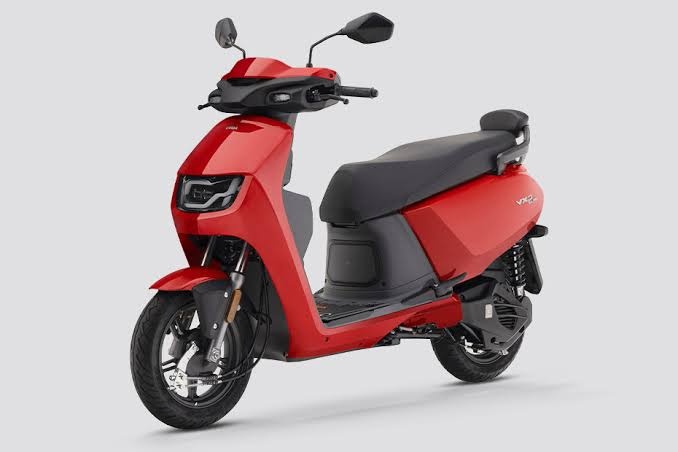
The biggest barrier for many urban EV buyers is charging. If you live on the fourth floor of an apartment without an assigned parking socket, running a wire downstairs is impossible. Hero’s EV arm, Vida, tackled this directly with removable batteries.
-
Why it works: You can pop out the battery pack, carry it up to your apartment in an elevator, and charge it using a standard wall socket. Backed by Hero MotoCorp, it also benefits from steady dealer expansion.
-
Watch out for: Carrying two 11–12 kg battery packs upstairs every couple of days requires real physical effort.
5. Ola Electric: Feature-Packed with Big Range on Paper
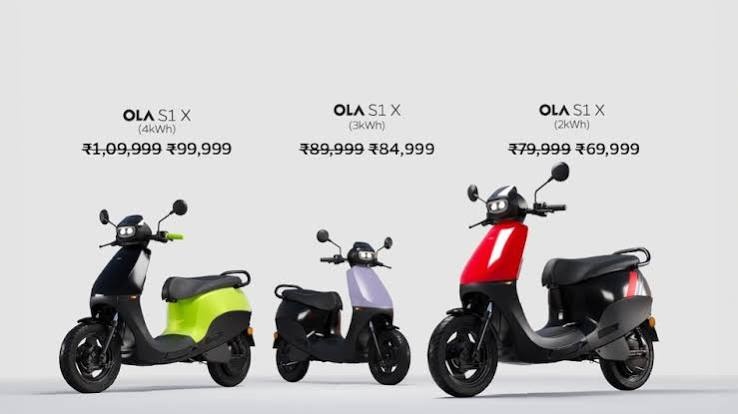
Ola shook up the market by selling directly to consumers with aggressive pricing, large touchscreens, speakers, and segment-leading boot space. The S1 range offers something at almost every budget.
-
Why it works: You get massive under-seat storage, brisk acceleration, and class-leading claimed range figures for the price.
-
Watch out for: Customer experiences remain polarized. Software updates can occasionally bring bugs, and service centre turnaround times vary widely depending on the city.
How to Cut Through the Marketing Fluff
-
Claimed vs. Real-World Range: Never trust IDC (Indian Driving Cycle) test figures. If a brochure claims “150 km range,” expect roughly 100–110 km in actual city traffic with pillion riders, stops, and headlights on.
-
Check Your Parking Situation First: If you don’t have a dedicated 15A socket in your building parking lot, look strictly at scooters with removable batteries (like Vida) or verify that a reliable public fast charger sits along your daily route.
-
Visit the Local Workshop: Before swiping your card, visit the brand’s actual service centre in your locality. Talk to owners picking up their scooters. Fast, competent after-sales support matters far more than having touchscreen party tricks on your dashboard.