Top 5 wealthiest temples in india
In India, faith has never been an abstract concept. It is tactile, enduring, and deeply woven into the country’s physical landscape. For centuries, kings, trading guilds, and everyday devotees have poured their gratitude into temple hundis in the form of gold sovereign coins, inherited jewellery, agricultural lands, and hard cash.
Over generations, this steady stream of devotion has transformed several ancient shrines into massive financial institutions.
Whenever people ask, “Which is the richest temple in India?”, the answer usually depends on how you define wealth. Are we talking about centuries of locked-away royal antiquities, or the sheer daily cash flow of millions of pilgrims?
Here is a grounded, realistic look at five of India’s wealthiest temples—what they hold, how they earn, and where that wealth actually goes.
Quick Comparison: The Heavyweights of Devotion
| Temple | Primary Location | Nature of Wealth | Notable Highlights |
| Sree Padmanabhaswamy | Thiruvananthapuram, Kerala | Historical treasure & royal vaults | Estimated ₹1.2+ lakh crore in antique gold, gems, and coins |
| Tirumala Venkateswara | Tirupati, Andhra Pradesh | Institutional assets & massive daily cash flow | ₹2.26 lakh crore asset base; ₹1,500+ crore annual hundi collection |
| Shirdi Sai Baba | Shirdi, Maharashtra | Modern devotee donations & gold reserves | Multi-thousand-crore trust; ₹20+ crore collected during single holiday weeks |
| Mata Vaishno Devi | Katra, Jammu & Kashmir | Diverse pilgrimage ecosystem | ₹680+ crore annual operational revenue from offerings, stays, and sales |
| Guruvayur Sree Krishna | Thrissur, Kerala | Traditional offerings & institutional deposits | Estimated ₹1,700–₹2,500 crore in bank deposits, gold, and land holdings |
1. Sree Padmanabhaswamy Temple: The Secret Beneath the Stone
Tucked into the historic core of Thiruvananthapuram, this ancient shrine dedicated to Lord Vishnu had always been revered, but it captured global headlines in 2011 when its subterranean vaults (kallaras) were systematically inventoried under Supreme Court supervision.
What the inspection committee uncovered inside was straight out of an adventure chronicle: solid gold idols, sacks of antique Roman and Venetian gold coins, ceremonial thrones encrusted with diamonds, and centuries of royal offerings donated by the Travancore Maharajas.
While speculative media estimates frequently quote ₹1.2 lakh crore or more, historians and appraisers caution against treating this like raw bullion. These are priceless historical and artistic artefacts; their cultural value far exceeds the melt value of their gold and gems. Crucially, the Supreme Court reaffirmed that these treasures belong entirely to the presiding deity, preserved rather than traded.
-
The Takeaway: If “wealth” means raw, accumulated ancient antiquities resting in vaults, Padmanabhaswamy stands entirely in a league of its own.
2. Tirupati Venkateswara Temple: A Financial and Logistical Giant
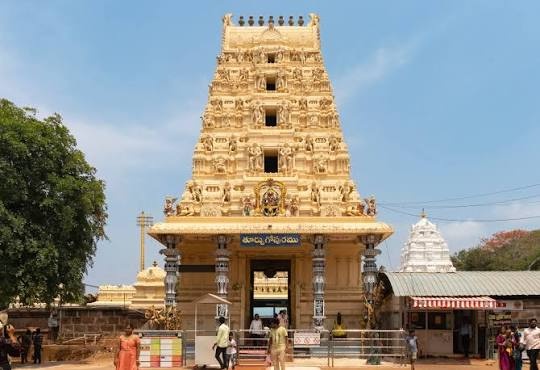
If Padmanabhaswamy represents quiet, preserved history, Tirupati is an active financial powerhouse. Perched atop the Seshachalam Hills, the shrine of Lord Venkateswara (Balaji) sees between 60,000 and 100,000 pilgrims every single day.
Administered by the Tirumala Tirupati Devasthanams (TTD), the temple functions with the efficiency of a Fortune 500 entity. Its institutional assets—spanning thousands of acres of land, extensive bank fixed deposits, and tons of pure gold deposited under the government’s Gold Monetisation Scheme—are valued at over ₹2.26 lakh crore.
Devotees routinely drop diamond rings, gold bars, and cash into the massive brass gangalam (hundi), generating over ₹1,500 crore a year in direct offerings alone. Add revenue from laddu prasadam sales, guest houses, and special darshan tickets, and the annual budget routinely sails past ₹5,000 crore.
-
The Takeaway: Tirupati is the undisputed king of recurring operational revenue and massive modern institutional management.
3. Shirdi Sai Baba Temple: The Power of Grassroots Faith

Unlike the ancient royal complexes of the south, Shirdi’s wealth is a modern phenomenon driven entirely by the devotion of ordinary followers across India and abroad.
Administered by the Shri Saibaba Sansthan Trust, the shrine in rural Maharashtra pulls in hundreds of crores annually in cash, gold crowns, and silver utensils. During peak holiday windows—such as Christmas to New Year—the collection boxes regularly register over ₹20 crore in a single week.
What makes Shirdi distinctive is its balance sheet transparency: the trust regularly publishes its annual reports and allocates massive portions of its multi-thousand-crore reserve to social infrastructure. The temple runs heavily subsidised super-speciality hospitals, sprawling pilgrim dormitories, and educational complexes that educate thousands of local students.
-
The Takeaway: Shirdi proves that consistent, small offerings from millions of everyday devotees can easily rival the accumulated fortunes of old kings.
4. Shri Mata Vaishno Devi: The Mountain Economy

Located high up in the Trikuta Hills near Katra, the holy cave shrine of Mata Vaishno Devi operates an economy that supports an entire region of Jammu & Kashmir.
Unlike temples that rely almost exclusively on the hundi, the Shri Mata Vaishno Devi Shrine Board runs a multi-faceted operational network. Its official annual filings reveal a balanced revenue model: out of an annual income topping ₹680 crore, roughly ₹255 crore comes from direct donations, while the remainder comes from helicopter/ropeway ticketing, shrine-run guest houses, souvenir sales, and interest on financial investments.
Every rupee is channeled back into managing one of the world’s most treacherous high-altitude pilgrim tracks—funding round-the-clock sanitation, medical disaster management, ropeways, and free langars for walking pilgrims.
-
The Takeaway: Vaishno Devi is a masterclass in how a shrine board turns pilgrim footfall into a sustainable, self-funded mountain infrastructure network.
5. Guruvayur Sree Krishna Temple: Kerala’s Sacred Heartland

Affectionately referred to as the Bhuloka Vaikunta (the holy abode of Vishnu on earth), the Guruvayur Temple in Thrissur district is Kerala’s busiest spiritual hub.
The Guruvayur Devaswom manages assets estimated between ₹1,700 crore and ₹2,500 crore. Its wealth is held in extensive nationalised bank deposits, substantial gold reserves offered by devotees over decades, and widespread real estate holdings.
Guruvayur is also famous for its traditional offerings, including the Thulabharam—where devotees are weighed against commodities like jaggery, coconuts, bananas, and sometimes pure gold or silver coins, which are then handed over to the temple. The administration also maintains an elephant sanctuary housing dozens of pachyderms gifted to the deity over the decades.
-
The Takeaway: Alongside Padmanabhaswamy, Guruvayur anchors Kerala’s spiritual wealth, driven by daily lifecycle ceremonies, weddings, and traditional rituals.
The Reality Behind the Headlines: Where Does the Money Go?
A persistent myth on social media is that temple wealth simply piles up behind closed doors as dormant treasure. In reality, the day-to-day operations of India’s premier temples look much more like public utility trusts:
-
Mass Free Dining (Annadanam): Shrines like Tirupati and Shirdi serve free, hygienic, hot meals to tens of thousands of people every single day without charging a paisa.
-
Healthcare Infrastructure: Both TTD and the Shirdi Sansthan run multi-speciality, state-of-the-art hospitals that offer free or deeply subsidised surgeries to lower-income families.
-
Education & Community Aid: From funding Vedic pathashalas and colleges to financing local water networks, roads, and disaster relief funds, these trusts are major economic drivers in their respective states.
Ultimately, whether measured in centuries-old underground vaults or daily hundi cash counts, India’s richest temples reflect an unbroken cultural impulse: the urge to give something back to the divine, penny by penny, century after century.