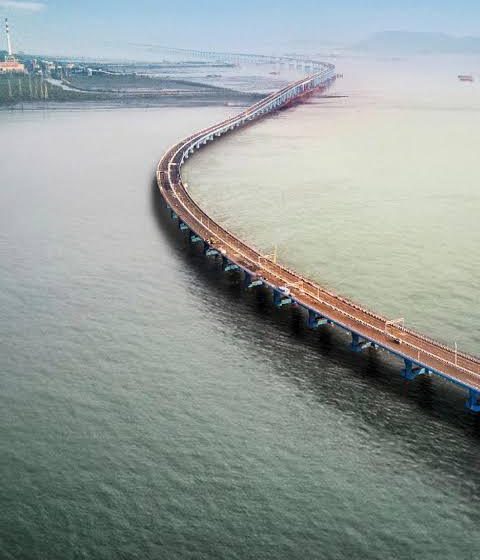
Atal setu – india’s longest sea bridge: a remarkable engineering
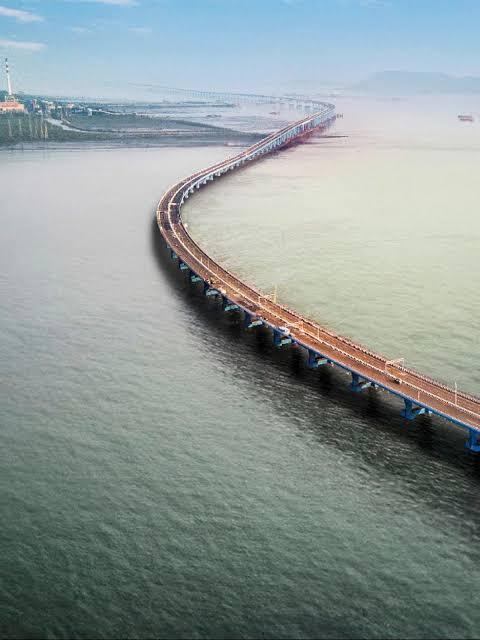
Anyone who has ever tried driving between South Mumbai and Navi Mumbai during peak rush hour knows the specific kind of despair it used to bring. You were looking at a grinding 90-minute to two-hour crawl through bumper-to-bumper city traffic, idling across clogged arterial roads and watching the clock tick down.
That everyday commute changed drastically in January 2024 with the opening of Atal Setu—officially the Atal Bihari Vajpayee Sewri-Nhava Sheva Atal Setu, and long known to locals simply as the Mumbai Trans Harbour Link (MTHL).
The Numbers at a Glance
What Makes the Engineering Stand Out?
Building a structure across 16.5 kilometers of open marine water isn’t just about pouring concrete. Thane Creek presents tricky tidal shifts, soft seabed conditions, and high marine traffic.
-
Orthotropic Steel Decks (OSDs): Atal Setu is one of the few mega-projects in India to use long-span orthotropic steel decks. These sections are significantly lighter than concrete yet stiff enough to handle heavy traffic loads, allowing engineers to build much longer spans between pillars over active navigation channels.
-
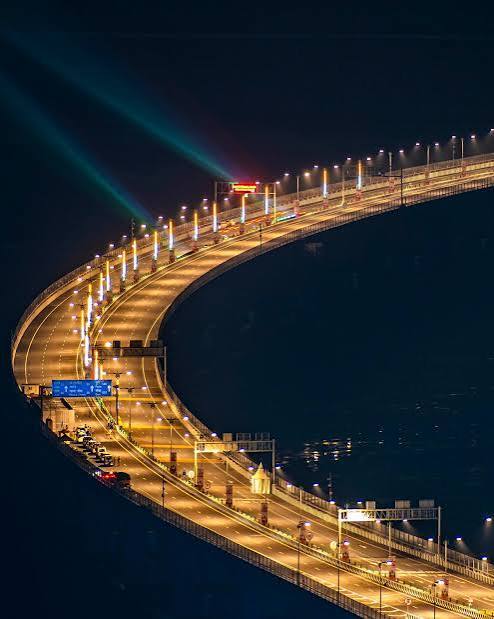
Bird-Friendly Construction: The mudflats near Sewri are a famous winter feeding ground for thousands of migratory lesser flamingos. To avoid disrupting their flight paths and feeding patterns, the bridge incorporates noise barriers and specialized lighting along critical spans.
-
Tough Foundation Work: The marine viaduct sits on deep pile foundations bored straight into the seabed, built using specialized reverse circulation drilling rigs to withstand harsh saltwater corrosion over decades.
Why It Actually Matters for Daily Life
It’s easy to treat the bridge as just a massive vanity photo-op, but the practical fallout across the Mumbai Metropolitan Region (MMR) is real:
-
A Sane Commute: The Sewri-to-Nhava Sheva run across the bridge takes about 15 to 20 minutes of steady cruising at 100 km/h, turning what was once a grueling trip to Panvel into a straightforward half-hour drive.
-
Fast Track to the New Airport: Once Navi Mumbai International Airport is fully running, Atal Setu will serve as the primary lifeline for anyone trying to reach it from South or Central Mumbai without missing a flight in suburban gridlock.
-
Unclogging Freight Routes: Jawaharlal Nehru Port (JNPT) handles a staggering portion of India’s container traffic. Having high-speed access straight onto the highway network keeps heavy container trucks off congested local municipal roads.
-
Pushing Growth Into Raigad: By making Chirle, Ulwe, and the fringes of Panvel a 25-minute drive from the heart of the island city, real estate, logistics hubs, and commercial offices are rapidly shifting outward into areas that used to feel completely disconnected.
A Word on Driving It
A common initial surprise for first-time drivers: it is strictly an expressway-grade sea crossing, not a promenade. Two-wheelers, auto-rickshaws, and tractors are barred for safety reasons, and stopping on the bridge to step out for photos will earn an immediate fine from traffic cameras.
Between the massive engineering, the sheer scale of the marine crossing, and the time shaved off daily commutes, Atal Setu is easily the most impactful piece of highway infrastructure Western India has seen in decades.