Best foods for healthy weight loss
Trying to lose weight these days is exhausting. One week carbs are the enemy, the next week someone on social media is claiming celery juice magically melts belly fat. It’s noisy, contradictory, and mostly designed to sell you something.
Here’s the grounded truth: you don’t need to starve yourself, drink bizarre detox teas, or cut out entire food groups to see real changes.
At the end of the day, fat loss comes down to a consistent calorie deficit—using a bit more energy than you take in. But running on an empty tank feels miserable. The real cheat code is eating foods that make staying in a deficit feel effortless: foods loaded with protein, fiber, and water that keep you full, energized, and satisfied.
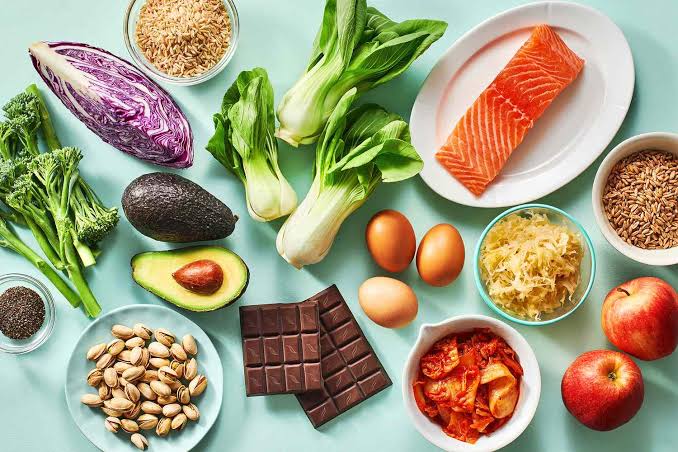
You don’t need fancy, expensive superfoods, either. Here are 20 everyday, nutrient-dense foods—including plenty of kitchen staples you probably already have—that actually support healthy weight loss.
1. Eggs
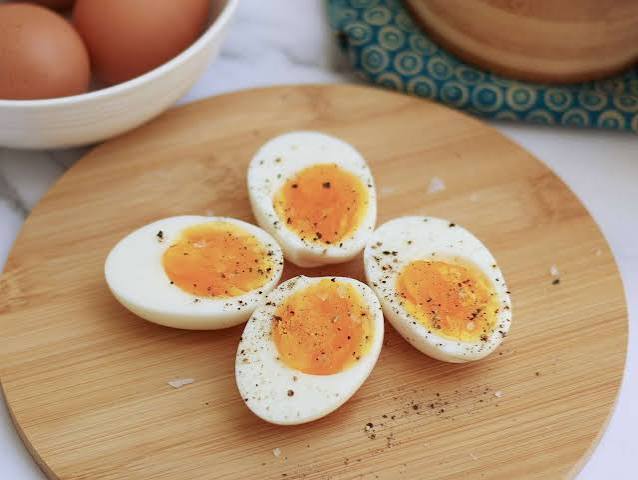
Eggs are the ultimate low-effort, high-reward food.
-
Why they work: They’re packed with high-quality protein and healthy fats, which blunt hunger hormones and keep you full for hours.
-
How to eat them: Boiled for a grab-and-go snack, scrambled with spinach and onions, or turned into a quick vegetable omelet.
-
Smart pairing: Eggs + sautéed leafy greens on a slice of sourdough or whole-wheat toast.
2. Rolled Oats
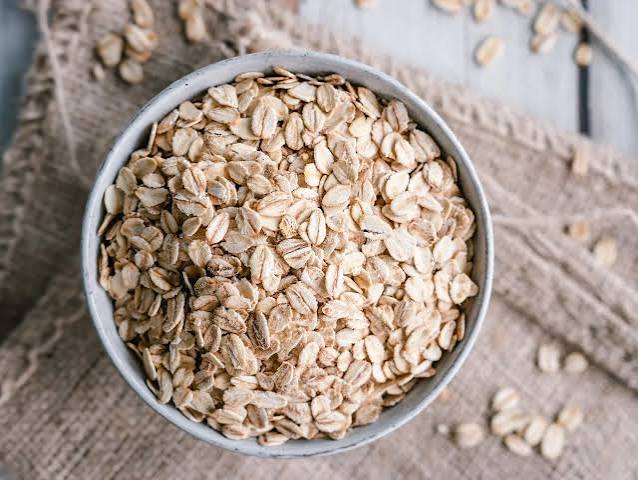
Skip the sugary instant oatmeal packets and stick to plain rolled oats.
-
Why they work: Oats are rich in beta-glucan, a soluble fiber that absorbs water, expands in your stomach, and slows digestion. That means steady energy without the mid-morning crash.
-
How to eat them: Cooked in milk or water, topped with a dash of cinnamon and a small handful of nuts or fresh fruit.
-
Smart pairing: Oats + plain Greek yogurt + fresh berries.
3. Dark Leafy Greens (Spinach, Amaranth, Methi)
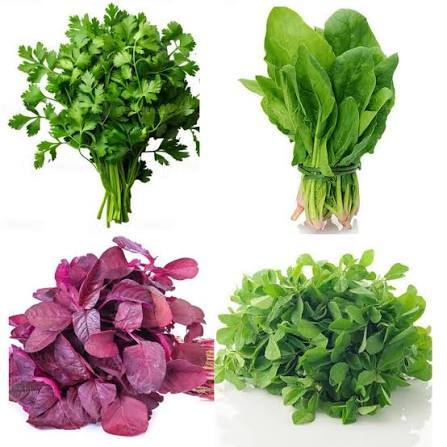
Leafy greens are the definition of high-volume eating: you can fill an entire plate for barely any calories.
-
Why they work: They deliver water, fiber, iron, and folate without blowing your calorie budget.
-
How to eat them: Wilted into morning eggs, stirred generously into dal, or tossed into a quick garlic stir-fry.
-
Smart pairing: Palak (spinach) cooked with paneer, dal, or shredded chicken.
4. Lentils and Dal
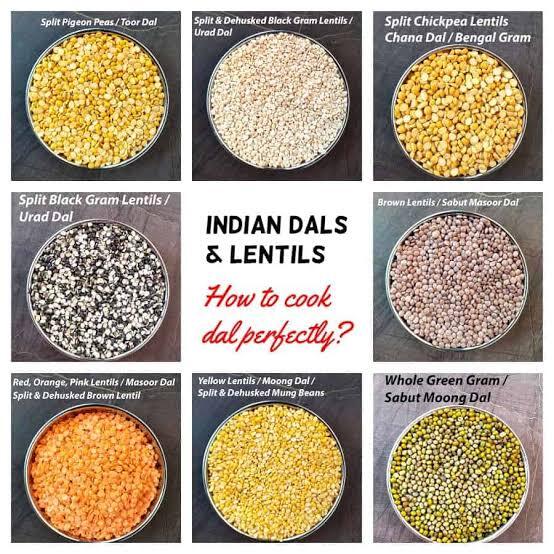
A staple across millions of households for good reason.
-
Why they work: Lentils (moong, masoor, toor) pack a double punch of plant protein and prebiotic fiber, keeping your gut happy and cravings at bay.
-
How to eat them: A warm bowl of spiced dal alongside a modest serving of rice or chapati.
-
Smart pairing: Dal + mixed vegetable sabzi + a side of cucumber salad.
5. Chickpeas (Chana)
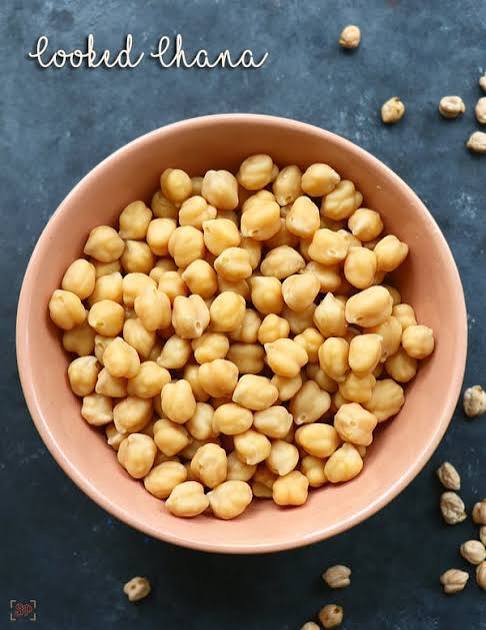
Chickpeas are hearty, versatile, and dirt cheap.
-
Why they work: The combo of slow-digesting carbs, fiber, and protein keeps your blood sugar stable, which prevents that frantic late-afternoon snack search.
-
How to eat them: Boiled into a tangy chaat with onions and lemon juice, blended into hummus, or simmered in a light chana masala.
-
Smart pairing: Boiled chickpeas + diced cucumber + tomatoes + fresh lemon and chaat masala.
6. Greek Yogurt and Plain Curd (Dahi)

Dairy gets an unfair bad rap, but unsweetened curd is a powerhouse.
-
Why they work: Greek yogurt is strained, making it exceptionally high in protein. Plain homemade dahi delivers gut-friendly probiotics, protein, and calcium.
-
How to eat them: As a cooling side to spicy dishes, or as an afternoon snack mixed with a few berries.
-
Smart pairing: Plain Greek yogurt + sliced strawberries + a sprinkle of chia seeds.
7. Apples
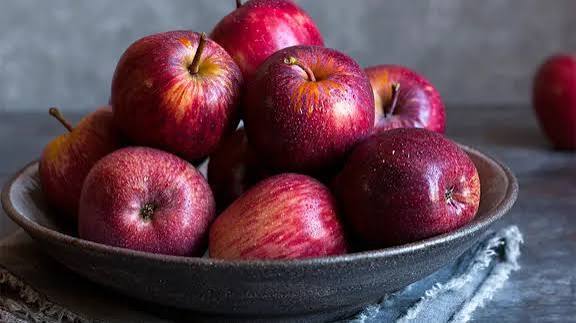
When you want something sweet and crunchy that won’t derail your day, grab an apple.
-
Why they work: Apples are loaded with water and pectin (a soluble fiber). Chewing whole fruit sends signals to your brain that you’re actually eating, unlike drinking fruit juice.
-
How to eat them: Sliced up fresh—leave the peel on, because that’s where most of the fiber lives.
-
Smart pairing: Apple slices + a single level tablespoon of peanut or almond butter.
8. Berries
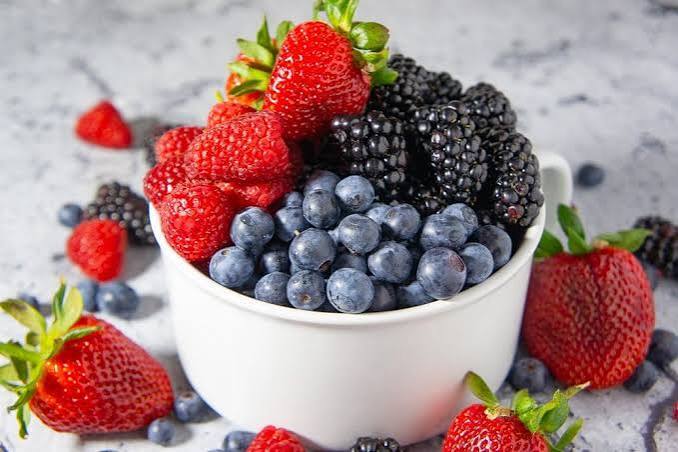
Blueberries, strawberries, and blackberries taste like a treat while being naturally lower in sugar than many other fruits.
-
Why they work: They pack an absurd amount of fiber and antioxidants relative to their calorie count.
-
How to eat them: Toss a handful into oatmeal, blend them into protein shakes, or eat them frozen as a nighttime snack.
9. Sweet Potatoes
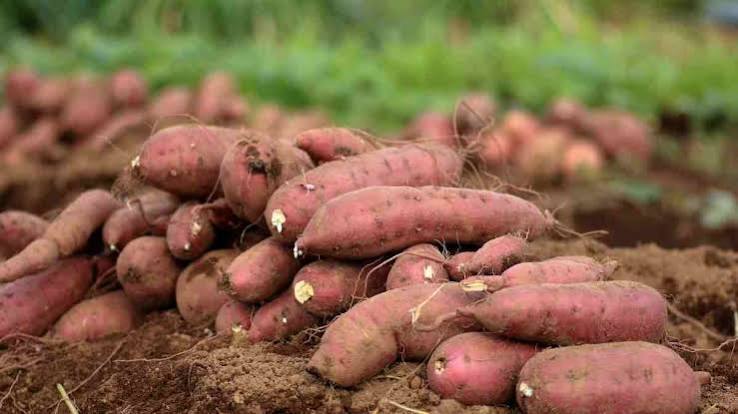
Carbs aren’t evil—you just need the ones that keep you full.
-
Why they work: Sweet potatoes are full of fiber, slow-burning complex carbs, and vitamin A. They satisfy a craving for something rich and starchy without spiking your blood sugar.
-
How to eat them: Boiled or roasted with a pinch of rock salt, chili powder, and a squeeze of lime.
10. Fish (Sardines, Mackerel, Salmon)
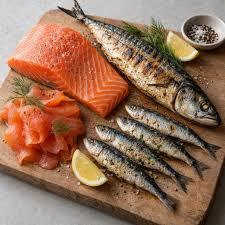
If you eat seafood, make friends with oily fish.
-
Why they work: Aside from clean protein, fatty fish are rich in omega-3 fatty acids, which fight systemic inflammation and support metabolic health.
-
How to eat them: Grilled, baked, or simmered in a light tomato-and-onion curry without drowning it in oil.
-
Smart pairing: Pan-seared fish + roasted broccoli or sautéed beans.
11. Chicken Breast
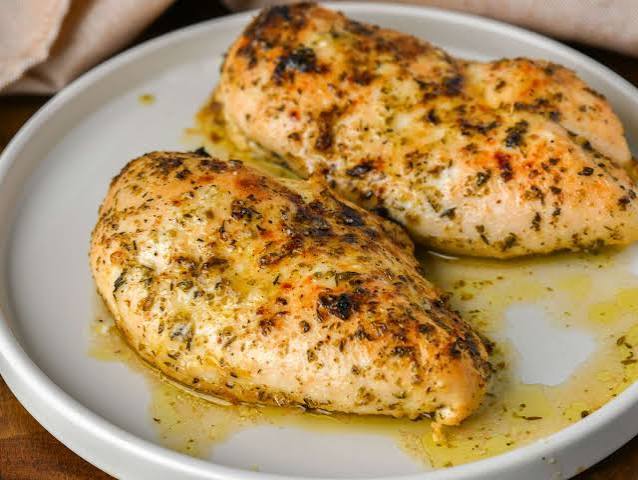
It’s a fitness-industry cliché for a reason: it simply works.
-
Why it works: Skinless chicken breast is almost pure protein. Digesting protein actually burns slightly more calories than digesting fat or carbs (known as the thermic effect of food), and it preserves lean muscle while you drop fat.
-
How to eat it: Marinated in ginger, garlic, yogurt, and spices, then grilled or air-fried.
12. Tofu and Edamame
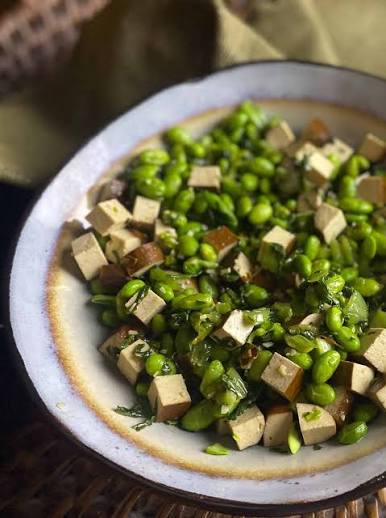
Incredible options whether you’re fully vegan or just trying to eat less meat.
-
Why they work: Soy is one of the few plant sources that provides a complete amino acid profile while keeping calories relatively low.
-
How to eat them: Pan-sear cubed tofu with soy sauce and veggies, or boil edamame in their pods with sea salt for a protein-packed snack.
13. Whole Grains and Millets (Ragi, Jowar, Bajra)
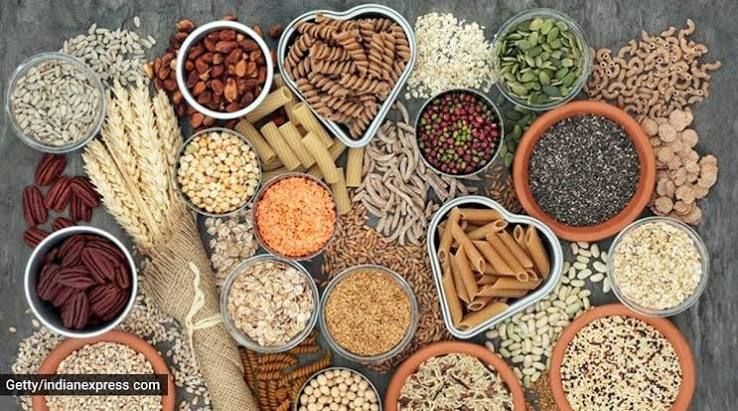
You don’t have to swear off roti to get lean.
-
Why they work: Millets and whole wheat contain whole-grain hulls that slow down digestion, keeping you satisfied far longer than refined white flour (maida).
-
How to eat them: Ragi rotis, jowar bhakri, or swapping white rice for brown rice or quinoa a few times a week.
14. Cruciferous Veggies (Broccoli, Cauliflower, Cabbage)
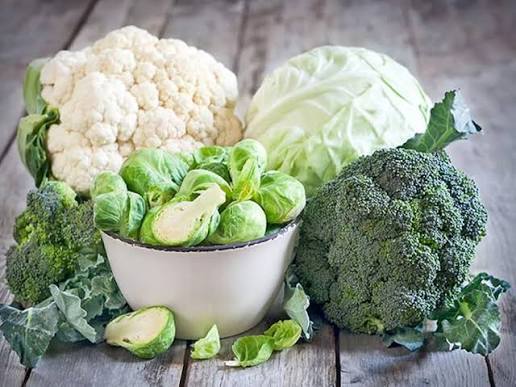
These are the kings of filling your plate without blowing your calorie budget.
-
Why they work: They’re fibrous, structurally dense, and demand serious chewing, which naturally slows your eating pace.
-
How to eat them: Roasted with garlic, tossed into a crunchy cabbage slaw, or stir-fried with simple spices.
15. Cucumbers
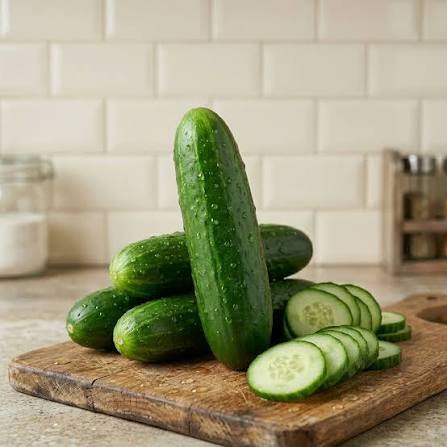
Cucumbers are roughly 95% water.
-
Why they work: You can eat an entire bowl of sliced cucumbers for practically nothing. They provide physical volume in your stomach, which helps trigger fullness cues.
-
How to eat them: Sliced thick, seasoned with lemon and black salt, and eaten before your main meal.
16. Mushrooms
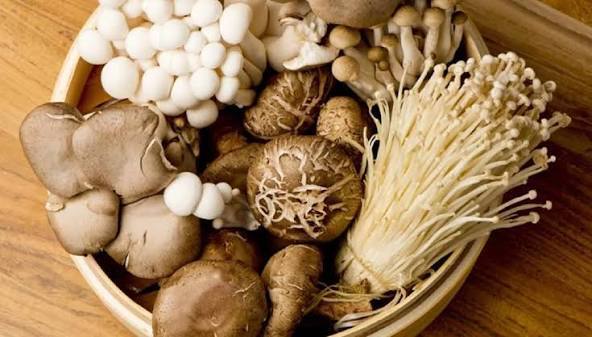
Mushrooms give meals a rich, savory “umami” flavor without the calorie density of fatty meat.
-
Why they work: They have a meaty bite, almost zero fat, and contain gut-friendly prebiotic fibers.
-
How to eat them: Sautéed with garlic and pepper, mixed into an omelet, or cooked into a light vegetable gravy.
17. Nuts and Seeds (In Moderation)
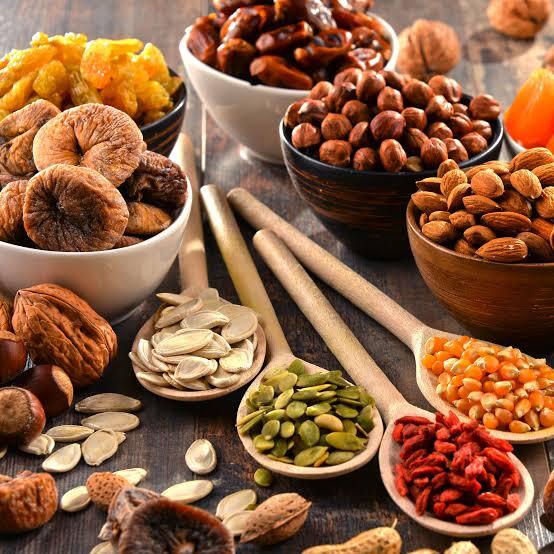
Almonds, walnuts, chia seeds, and pumpkin seeds are nutrient powerhouses—with one catch.
-
Why they work: They provide heart-healthy unsaturated fats, plant protein, and trace minerals that kill nagging hunger.
-
How to eat them: A small handful (about an ounce) is plenty. They are calorie-dense, so mindlessly grazing straight out of a large bag will backfire quickly.
18. Avocado
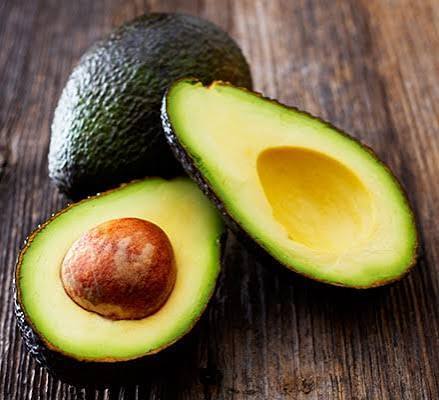
Like nuts, avocados are calorie-dense, but the type of fat they contain matters.
-
Why it works: Monounsaturated fats signal to your brain that you’re done eating, helping you avoid post-meal foraging.
-
How to eat them: Mash a quarter or half of an avocado onto toast, or dice it into a bean salad.
19. Water-Rich Whole Fruits (Watermelon, Papaya, Oranges)
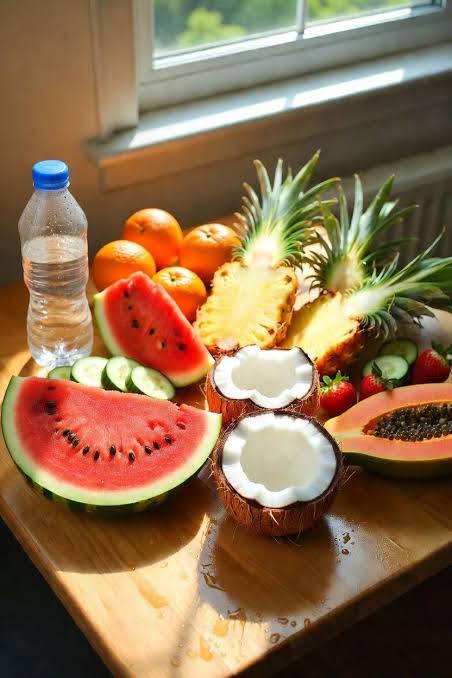
Never be afraid of the natural sugar in whole fruit.
-
Why they work: Watermelon and papaya are mostly water and fiber. You’d have to eat a massive, belly-stretching bowl of watermelon to hit the calorie count of a standard chocolate bar.
-
How to eat them: Eat them whole as a mid-morning or afternoon snack. Skip the fruit juice—juicing removes all the fiber and turns it into rapid-digesting sugar.
20. Beans (Rajma, Black Beans, Green Peas)
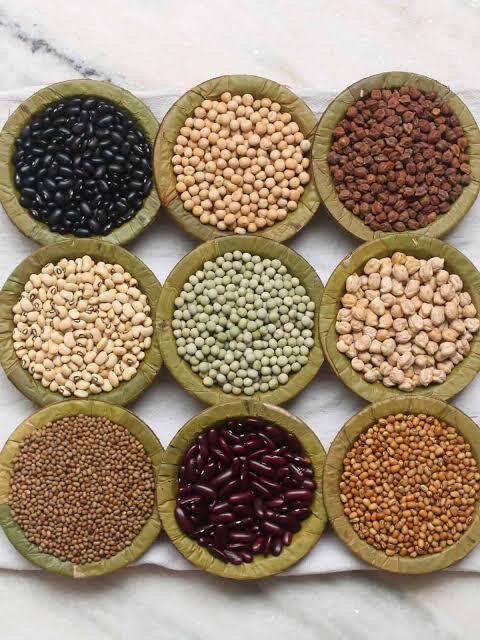
Beans are filling, shelf-stable, and budget-friendly.
-
Why they work: The combination of resistant starch and soluble fiber in kidney beans and black beans stabilizes insulin levels and keeps you full well past lunchtime.
-
How to eat them: Classic rajma with a controlled scoop of rice, or tossed into a cold salad with lime, cilantro, and red onions.
Easy Food Pairings That Keep You Full
Instead of overthinking recipes, build meals using a simple formula: Protein + Fiber/Greens + Controlled Carbs.
What a Realistic Day Looks Like
You don’t need a rigid, miserable diet plan. A sustainable day looks something like this:
-
Breakfast: Two eggs scrambled with spinach, served alongside one slice of whole-wheat toast (or a vegetable besan cheela with mint chutney).
-
Mid-Morning: A small apple or a cup of fresh papaya.
-
Lunch: A bowl of home-cooked dal, a large serving of stir-fried seasonal vegetables, a side of cucumber-tomato salad, and one or two chapatis.
-
Afternoon Snack: A cup of tea or black coffee with a small handful of roasted chana or mixed nuts.
-
Dinner: Grilled chicken, paneer, or tofu served alongside a big bowl of roasted cauliflower, broccoli, or vegetable soup.
Habits That Silently Derail Progress
You don’t have to cut out your favorite treats forever, but being aware of where hidden calories hide makes a massive difference:
-
Drinking your calories: Soda, sweetened chai, store-bought smoothies, and fancy coffee drinks pack hundreds of calories that do zero work to fill you up.
-
Heavy-handed cooking oil: Olive oil and mustard oil are healthy, but they still carry roughly 120 calories per single tablespoon. Pouring oil straight from the bottle without measuring is the most common reason people struggle to lose weight on “healthy” home-cooked food.
-
Mindless screen snacking: Eating chips or sweets while watching TV bypasses your brain’s fullness cues. If you want a treat, put a portion on a plate, eat it at the table, and actually enjoy it.
Common Questions, Answered Honestly
Can I still eat rice and lose weight?
Yes. Rice doesn’t make you gain weight; an overall surplus of calories does. If you love white rice, keep eating it—just make dal, vegetables, and protein the stars of your plate and keep the rice portion moderate.
Is there a specific food that burns belly fat?
No. Spot reduction is a myth. You cannot choose where your body burns fat from first; that’s entirely down to genetics and hormones. When you stay in a mild calorie deficit, your body gradually draws from fat stores across your whole body—belly included.
Should I stop eating after 7 PM?
Your body doesn’t store food as fat just because the clock hit a certain hour. The main benefit of stopping food earlier is that it prevents late-night, mindless snacking on junk food in front of the TV.
Do I have to do hours of cardio?
Not at all. Walking 7,000 to 10,000 steps a day and doing basic strength training a couple of times a week to keep your muscle mass will do wonders. Weight loss is mostly won in the kitchen.
Sustainable weight loss isn’t about punishment; it’s about making choices you can realistically stick to six months or two years from now. Start by upgrading your next meal: add an extra scoop of vegetables, prioritize your protein, and drink a tall glass of water. Small, consistent tweaks always beat crash diets.