Best 10 protein rich food
Getting enough protein has become way more complicated than it needs to be. Between fitness influencers pushing giant tubs of whey powder and endless “high-protein” processed snacks filling supermarket shelves, it’s easy to feel like you need an entire supplement routine just to hit your daily target.
You really don’t. Traditional, everyday whole foods already pack plenty of protein. Whether you’re lifting weights, trying to stay full on a fat-loss phase, or just want steady energy throughout the day, here are 10 of the best protein-dense foods you can easily cook and actually enjoy eating.
1. Whole Eggs

Eggs are hands down the most convenient, budget-friendly protein source around. Beyond roughly 6 grams of complete protein per large egg, the yolk carries vital micronutrients like choline, vitamin D, and B vitamins.
-
How to eat them: Soft-boiled with a pinch of black pepper, folded into a veggie scramble, or simmered in a rich tomato-onion egg curry. Pair them with whole-grain toast or a roti rather than heavy processed breakfast meats.
2. Chicken Breast (or Thighs)

Chicken remains a staple for anyone tracking macros for a simple reason: it delivers maximum protein with minimal excess calories. While boneless skinless breast is the leanest cut, boneless skinless thighs work nearly as well and are much harder to dry out when cooking.
-
How to eat it: Marinate in ginger-garlic paste, yogurt, and spices for an easy tandoori-style bake, slice cold leftovers into a lunch salad, or simmer in a lightly spiced home-style curry.
3. Fatty & Local Fish
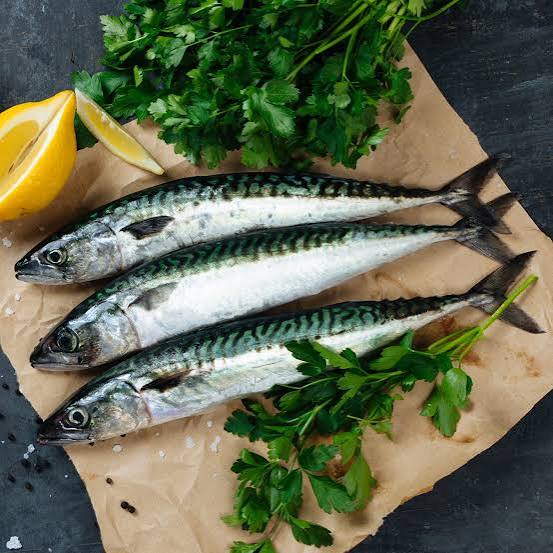
Fish gives you lean protein combined with essential omega-3 fatty acids, which support heart and joint health. You don’t need expensive cuts of Atlantic salmon either—budget-friendly, oily fish like sardines, mackerel, and anchovies, as well as freshwater staples like rohu, are loaded with nutrition.
-
How to eat it: Pan-seared with minimal oil, grilled with lemon and herbs, or cooked into a traditional fish curry with plenty of aromatics.
4. Greek Yogurt & Fresh Curd

If you want something quick that requires zero cooking, dairy is your best friend. Greek yogurt is strained to remove excess liquid whey, leaving behind roughly double the protein density of regular yogurt. Even standard homemade curd (dahi) adds solid protein alongside beneficial gut-friendly probiotics.
-
How to eat it: Spoon thick Greek yogurt over seasonal fruit with a sprinkle of chia seeds, or enjoy chilled curd mixed with cucumber and cumin as a refreshing side to lunch.
5. Whole or Low-Fat Milk
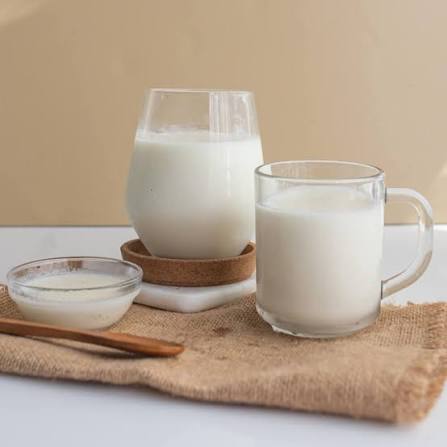
Milk is one of the easiest ways to sneak in an extra 8 grams of protein without feeling heavy. It’s also loaded with bioavailable calcium and phosphorus for bone density.
-
How to eat it: Use it as the liquid base for morning rolled oats, blend it into a homemade banana smoothie, or opt for unsweetened, fortified soy milk if you don’t tolerate lactose.
6. Lentils & Split Dals
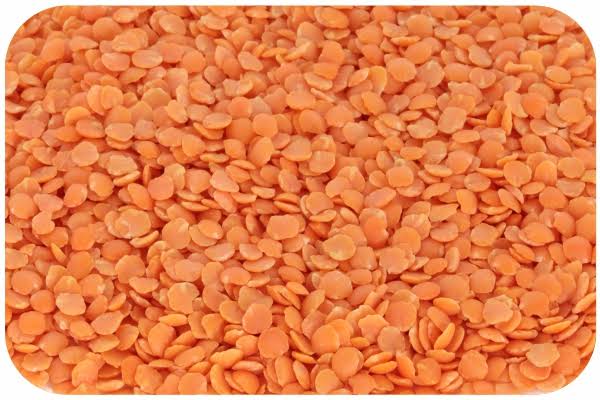
For vegetarians, lentils are non-negotiable. Whether it’s yellow moong, toor, or red masoor dal, a single cooked cup gives you about 18 grams of plant protein alongside a massive dose of soluble dietary fiber that keeps your digestion on track.
-
How to eat them: A simple bowl of tadka dal over brown or white rice, hearty red lentil soups, or soaked and blended into savory breakfast pancakes (cheelas).
7. Chickpeas & Kidney Beans
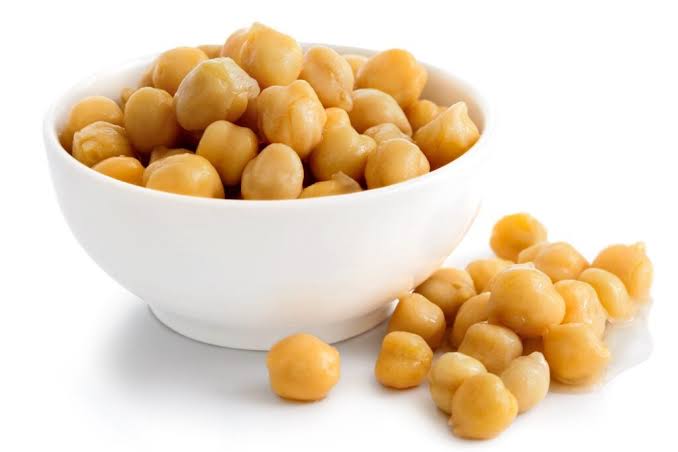
Legumes like chickpeas (chana) and kidney beans (rajma) hit the sweet spot between complex carbohydrates and sustained plant protein. The combination of protein and slow-digesting fiber stabilizes blood sugar and stops mid-afternoon hunger spikes in their tracks.
-
How to eat them: Classic slow-simmered rajma with a warm roti, roasted spiced chickpeas for an afternoon desk crunch, or blended into creamy hummus with garlic and tahini.
8. Soybeans, Tofu & Tempeh
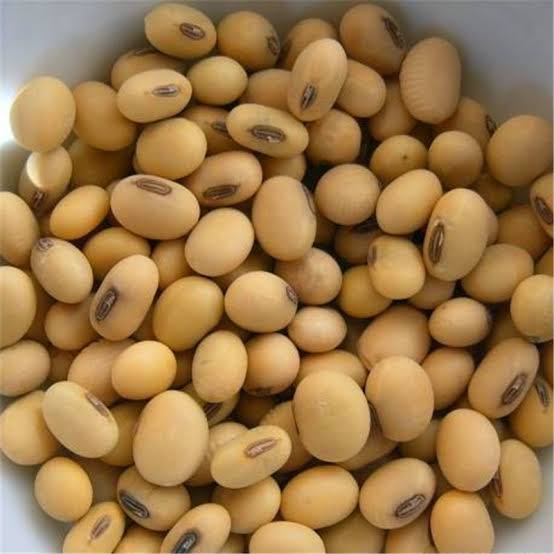
Soy is one of the few plant foods that qualifies as a complete protein, meaning it carries all nine essential amino acids in proportions your body can readily use. Tofu acts like a flavor sponge for whatever spices or marinades you put on it, while fermented tempeh offers a firmer, nuttier bite.
-
How to eat them: Toss cubed, pan-crisped tofu into a fast vegetable stir-fry, cube it into curries in place of paneer, or boil fresh edamame in their pods with sea salt for snacking.
9. Nuts & Seeds

Almonds, walnuts, peanuts, pumpkin seeds, and chia seeds shouldn’t be your sole protein anchor—they’re naturally calorie-dense due to their healthy fat content—but they make fantastic daily boosters.
-
How to eat them: A small handful of dry-roasted peanuts as an evening snack, peanut butter spread onto whole-wheat toast, or a tablespoon of pumpkin and flax seeds tossed directly over your morning oats or curd.
10. Lean Cuts of Red Meat
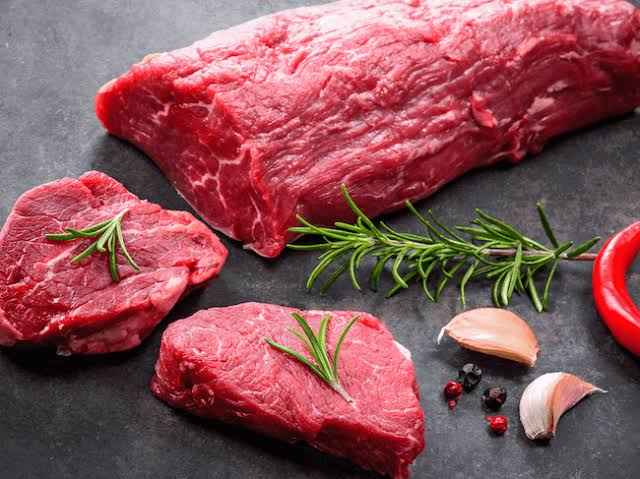
If you eat red meat, sticking to lean, unprocessed cuts gives you exceptional protein density alongside highly absorbable heme iron, zinc, and vitamin B12. The trick is avoiding heavily salted, cured sausages or bacon, which come loaded with excess saturated fat and sodium.
-
How to eat it: Braised in stews with root vegetables, grilled as lean kebabs, or roasted with garlic and rosemary.
Protein Quick Reference
| Food | Source Type | Best Everyday Fit |
| Eggs | Animal | Breakfast scrambles, curries, hard-boiled snacks |
| Chicken | Poultry | Grilled meal prep, wraps, spiced curries |
| Fish | Seafood | Pan-seared fillets, coastal curries |
| Greek Yogurt / Curd | Dairy | Fruit bowls, cooling lunch sides |
| Milk | Dairy / Fortified Soy | Porridge, shakes, everyday drinks |
| Dals / Lentils | Plant | Lunch & dinner curries, soups |
| Chickpeas / Beans | Plant | Hummus, salads, hearty slow-cooked dishes |
| Tofu / Tempeh | Plant (Soy) | Stir-fries, pan-sears, curry cubes |
| Nuts & Seeds | Plant | Toppings for bowls, mid-day snacking |
| Lean Meat | Animal | Roasts, grilled skewers, stews |
How Much Do You Actually Need?
The baseline Recommended Dietary Allowance (RDA) for a sedentary adult is roughly 0.8 grams of protein per kilogram of body weight (about 56 grams a day for a 70 kg individual).
That said, if you regularly hit the gym, run, or are actively working on body composition, bumping that closer to 1.2 to 1.8 g/kg helps speed up muscle recovery and keeps hunger manageable throughout the day.
A Sensible Daily Formula
Instead of obsessively weighing grams of powder, balance your plate at major meals:
A couple of eggs at breakfast, a bowl of dal or chicken with lunch, a handful of peanuts or a cup of curd in the afternoon, and fish or beans at dinner gets most people straight to their target without a single artificial supplement