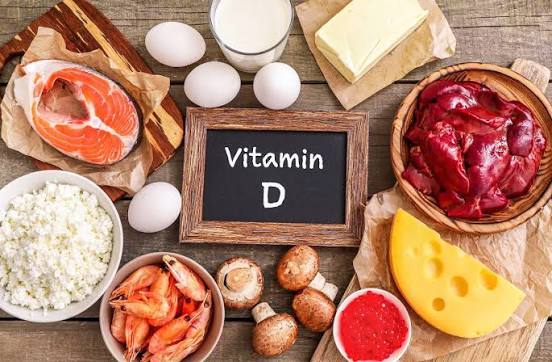
best 5 vitamin D rich foods
Vitamin D is famously dubbed the “sunshine vitamin,” but getting enough of it isn’t always as simple as stepping outside. Between desk jobs, rainy seasons, sunscreen, and darker skin tones synthesizing less UV light, relying solely on the sun often falls short.
The catch? Nature didn’t pack vitamin D into very many foods. However, a few nutrient-dense staples—and smartly fortified everyday items—can meaningfully close the gap.
| Food | Est. Vitamin D per Serving | Best Fit For |
| Fatty Fish (Salmon, Mackerel, Sardines) | ~400–600+ IU (3 oz cooked) | Pescatarians & meat-eaters |
| UV-Treated Mushrooms | ~200–400+ IU (1 cup sliced) | Vegans & vegetarians |
| Fortified Cow’s Milk | ~100–120 IU (1 cup) | Dairy drinkers |
| Fortified Plant Milk (Soy, Oat, Almond) | ~100–140 IU (1 cup) | Vegans & lactose-intolerant |
| Whole Eggs (specifically the yolk) | ~40–45 IU (1 large egg) | Everyday balanced diets |
1. Fatty Fish

If you eat seafood, fatty fish is the undisputed heavyweight here. Cold-water species like wild salmon, mackerel, and sardines produce high amounts of vitamin D3 along with heart-healthy omega-3s. A modest 3-ounce fillet of cooked sockeye salmon alone covers nearly your entire daily baseline. Canned sardines or tuna on whole-grain toast work just as well if fresh fish isn’t convenient.
2. UV-Exposed Mushrooms

Mushrooms have a unique superpower: just like human skin, they synthesize vitamin D when hit with ultraviolet light. Normal cellar-grown button mushrooms won’t offer much, but varieties specifically labeled “UV-treated”—or wild maitake and chanterelles—produce notable amounts of vitamin D2. Sauté them into omelets, pastas, or curries.
3. Fortified Dairy Milk
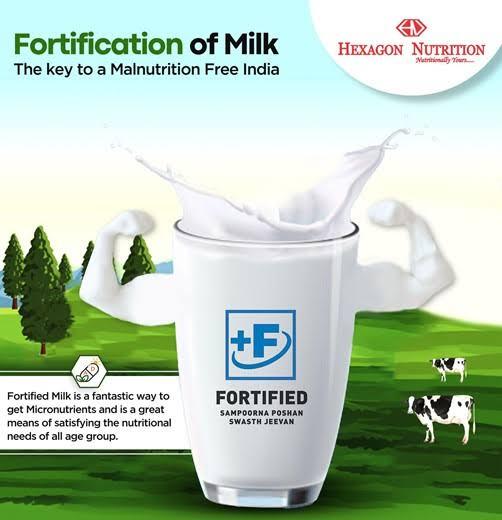
Cow’s milk doesn’t naturally contain meaningful amounts of vitamin D. However, almost all commercial milk is fortified during processing, providing roughly 100 to 120 IU per glass. It’s an easy, low-effort addition to morning oatmeal, tea, or protein shakes. Keep in mind that cheese, paneer, and regular yogurt aren’t always fortified to the same standard—check the label.
4. Fortified Plant-Based Milk
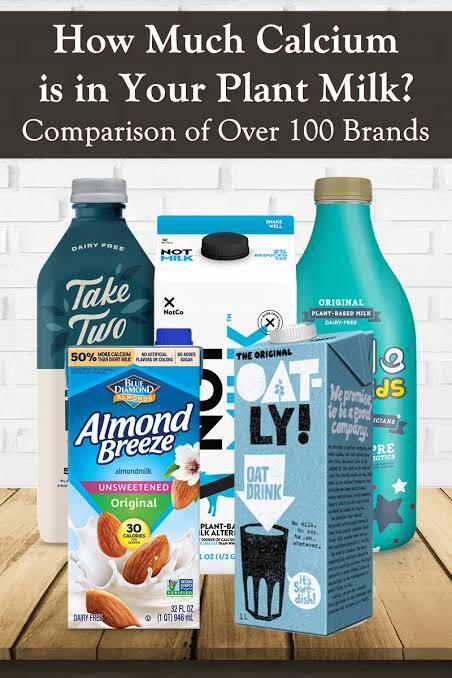
For vegans or anyone skipping dairy, fortified plant milks (soy, almond, oat) are formulated to match standard milk’s nutrient profile. Soy milk is often the best all-rounder since it pairs that added vitamin D with a solid hit of plant protein. Always verify the carton explicitly lists “Vitamin D” in the ingredients or nutrition panel, as unfortified organic brands frequently skip it.
5. Whole Eggs (Don’t Skip the Yolk)
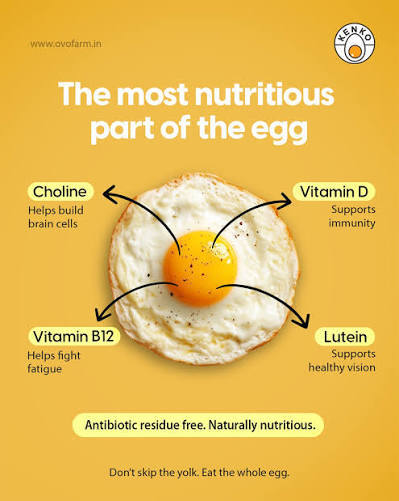
The yolk is where all the fat-soluble vitamins live—ditching it for an egg-white scramble means ditching the vitamin D entirely. While a single large egg only provides around 40 to 45 IU, eggs are affordable, versatile, and pack choline and high-quality protein into a quick breakfast.
Daily Targets & Reality Checks
Most healthy adults need around 600 IU (15 mcg) daily, bumping to 800 IU after age 70.
-
Can you hit this on food alone? It’s tough without eating fish multiple times a week or regularly consuming fortified staples.
-
Can food cure a deficiency? Rarely. If a routine blood test shows your levels are clinically low, dietary tweaks alone won’t move the needle fast enough. You’ll likely need a targeted supplement regimen prescribed by a doctor to rebuild your baseline safely, with these foods serving as long-term maintenance