Best 5 foods to increase hemoglobin levels naturally
If you’ve been feeling unusually wiped out, dizzy when standing up, or winded after a simple flight of stairs, low hemoglobin might be the culprit. Hemoglobin is the protein in red blood cells that carries oxygen from your lungs to the rest of your body—when it dips, your energy goes right along with it.
Food makes a real difference here, but it isn’t just about loading up on generic “healthy” foods. Your bone marrow needs a specific toolkit to build healthy red blood cells: iron, folate (B9), vitamin B12, and protein, plus vitamin C to pull non-animal iron into your system.
The 5 Best Food Groups to Boost Hemoglobin
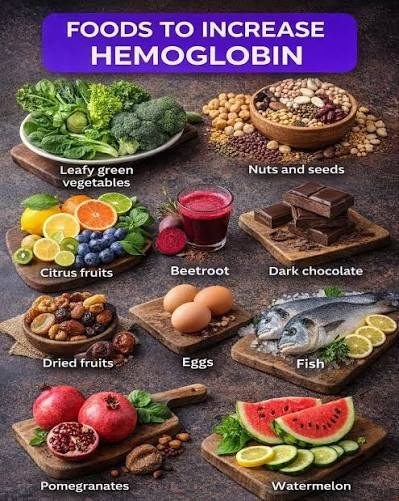
| Food Group | Key Nutrients | Best Sources | How to Maximize It |
| Dark Leafy Greens | Non-heme iron, folate | Spinach, amaranth, drumstick leaves (moringa), mustard greens | Always add acid (squeeze lemon over palak or cook amaranth with tomatoes). |
| Lentils & Beans | Non-heme iron, folate, plant protein | Chickpeas, rajma (kidney beans), black-eyed peas, masoor dal | Pair with a fresh lime-dressed kachumber salad or tomato-rich curries. |
| Lean Red Meat | Heme iron, B12, protein | Lean cuts of lamb, beef, or goat | Heme iron absorbs easily on its own; 1–2 sensible portions weekly go a long way. |
| Fish, Poultry & Seafood | Heme iron, B12, quality protein | Sardines, tuna, salmon, chicken, turkey | Cook with bell peppers or greens to tick multiple nutrient boxes in one meal. |
| Nuts & Seeds | Non-heme iron, healthy fats, trace minerals | Pumpkin seeds, black/white sesame, almonds, flaxseeds | Keep a jar of roasted pumpkin and sesame seeds to toss over salads, yogurt, or oats. |
The Absorption Rules Most People Miss
Eating iron-rich meals won’t help much if your gut can’t absorb what you’re feeding it. A few practical rules make a huge difference:
-
Heme vs. Non-Heme Iron: Animal sources (meat, seafood) contain heme iron, which your digestive system absorbs efficiently. Plant sources (greens, beans, seeds) contain non-heme iron, which is much harder to break down on its own.
-
The Vitamin C Hack: Ascorbic acid transforms plant-based iron into an easily absorbable form. Whenever you eat lentils, beans, or spinach, combine them with lemon juice, raw tomatoes, kiwi, guava, or bell peppers.
-
Wait on the Chai or Coffee: Tannins and polyphenols in tea and coffee bind directly to dietary iron and block absorption. Keep your morning brew or evening chai at least 45 to 60 minutes away from main meals.
What About Beetroot and Pomegranate?
Every wellness blog claims beet and pomegranate juice are miraculous blood-builders, mostly because they’re red. While they do offer valuable antioxidants, potassium, and some vitamin C, their actual iron content is fairly low. They’re great additions to a whole-food diet, but they won’t cure a significant hemoglobin deficit on their own.
When Diet Isn’t Enough
Low hemoglobin is a symptom, not a diagnosis. While a poor diet is common, low counts can also stem from heavy menstrual bleeding, slow GI bleeds, celiac malabsorption, B12 deficiency (very common in strict vegetarians), kidney disease, or inherited conditions like thalassemia.
If you fix your diet for a month and still feel exhausted, don’t guess or start self-medicating with heavy iron supplements—excess free iron is tough on your liver. Book a simple Complete Blood Count (CBC) and a Serum Ferritin panel with your doctor to pinpoint exactly what’s going on under the hood.