Top 10 life insurance companies in india
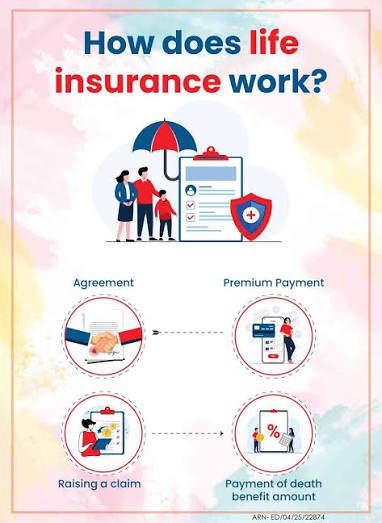
Buying a life insurance policy is one of those financial decisions that feels straightforward until you start comparing quotes. Suddenly, you’re hit with technical jargon: Claim Settlement Ratios, Solvency Margins, ULIP returns, endowment bonuses, and surrender charges.
Worse, almost every insurer advertises a claim ratio above 98%, making them all look identical on paper.
The reality? While the brand name matters, the structure of the policy you buy matters far more.
Here is an honest, grounded look at the top 10 life insurance companies in India, how they actually stack up, what recent industry shifts mean for you, and how to avoid costly insurance mistakes.
The Top 10 Life Insurance Companies at a Glance
1. Life Insurance Corporation of India (LIC)
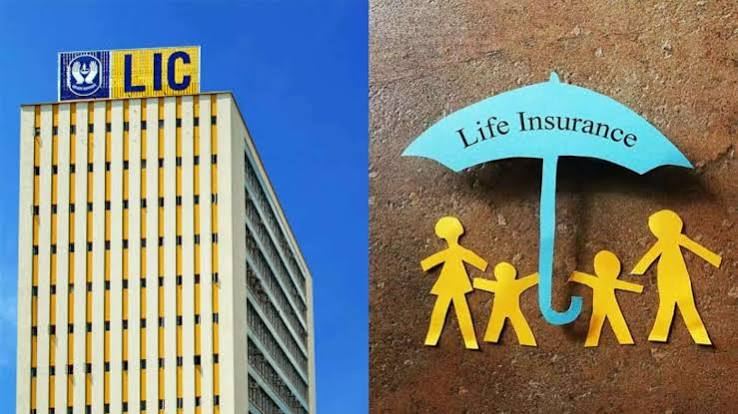
LIC remains an absolute giant in India. Even with aggressive private competition, LIC commands roughly 57% of the total new business premium market.
-
The Reality: LIC is backed by a sovereign guarantee under Section 37 of the LIC Act, making it the psychological gold standard for conservative Indian families.
-
The Good: Unrivaled physical presence—there isn’t a taluk or village in India without an LIC agent. If your nominees aren’t tech-savvy, having a local branch down the road gives immense peace of mind.
-
The Catch: LIC has traditionally pushed endowment, money-back, and whole-life plans. These products blend insurance with low-yield savings, frequently delivering post-inflation returns of just 4% to 6%. If your goal is pure family protection, their standalone term plans are often noticeably more expensive than private alternatives.
2. SBI Life Insurance
Leveraging State Bank of India’s branch footprint, SBI Life operates as the largest private-sector life insurer by new business volume.
-
The Reality: Because SBI Life relies on State Bank of India’s existing branch network rather than armies of expensive field agents, their operational acquisition costs are relatively low.
-
The Good: Those cost savings often translate into very competitive premiums for pure term insurance (such as their eShield series).
-
The Catch: If you buy through a physical SBI branch, bank personnel often cross-sell insurance alongside loans or deposits without thoroughly explaining the exclusions. Always read the fine print yourself.
3. HDFC Life Insurance
HDFC Life is one of the most innovative and technologically mature insurers in the private space.
-
The Reality: HDFC Life built its name on modern protection plans (like Click 2 Protect). They were among the first to introduce modular riders covering terminal illness, accidental disability, and severe critical illnesses.
-
The Good: Exceptional web and mobile portal. Filing a claim, updating your nominee, or downloading tax certificates takes minutes without visiting an office.
-
The Catch: Their term premiums sit on the higher end of the private market. You are paying a slight premium for their brand and digital convenience.
4. ICICI Prudential Life

ICICI Pru is a heavyweight in the urban market, maintaining a tight balance between pure term covers and market-linked wealth products.
-
The Reality: ICICI Pru’s iProtect Smart has been one of the most purchased term products in India for over a decade.
-
The Good: Fast digital underwriting. If you are young and healthy, standard medical checks and policy issuance can happen entirely from home within 48 to 72 hours.
-
The Catch: Like many private insurers, their front-desk tele-callers frequently push ULIPs disguised as “tax-saving wealth builders.” Unless you understand equity market risks and fund management fees, steer clear of hybrid investment-insurance plans.
5. Bajaj Life Insurance
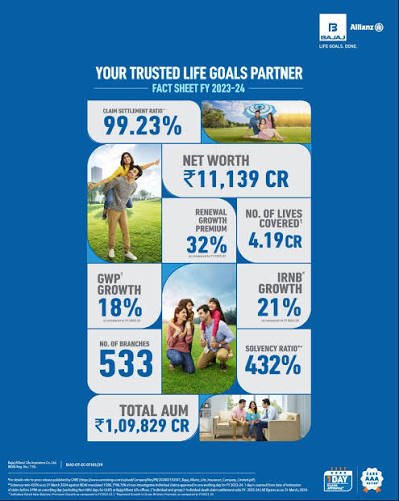
Following Allianz’s exit, the company has transitioned to full ownership under the domestic Bajaj Group while rebranding from Bajaj Allianz Life to Bajaj Life.
-
The Reality: Corporate reshuffling aside, the insurer maintains high financial buffer ratios, reporting a solvency ratio well above 260% (far exceeding IRDAI’s mandated 150% threshold).
-
The Good: Strong capital adequacy means the company has more than enough liquidity to absorb major claim spikes. Their premium pricing for younger buyers remains very competitive.
-
The Catch: With recent rebranding efforts, ensure that older policyholders check their customer portals to confirm updated communication channels and service desk locations.
6. Axis Max Life Insurance

Rebranded from Max Life in late 2024 to formalize Axis Bank’s significant equity ownership, Axis Max Life is a perennial favorite for term insurance.
-
The Reality: Axis Max Life built its reputation around claims transparency, consistently reporting individual death claim settlement ratios above 99.5%.
-
The Good: Exceptional claim-support infrastructure, including dedicated relationship managers dispatched to assist grieving families during the claim filing process.
-
The Catch: Their underwriting standards can be strict. If you have pre-existing conditions, minor chronic issues, or a borderline BMI, expect detailed medical scrutiny and potential premium loading.
7. Tata AIA Life Insurance

Tata AIA merges the corporate trust of the Tata Group with the international insurance mechanisms of AIA.
-
The Reality: In a market where trust is the primary currency, the Tata name carries significant weight.
-
The Good: Their term plans frequently offer generous health-wellness discount programs, rewarding policyholders with reduced renewal premiums or gift vouchers for maintaining active, healthy lifestyles.
-
The Catch: Their offline agency presence is somewhat smaller in Tier-3 and Tier-4 towns compared to LIC or SBI Life.
8. Aditya Birla Sun Life Insurance (ABSLI)

ABSLI has built a solid, diversified presence across corporate group covers, protection, and long-term child education savings plans.
-
The Reality: A reliable contender backed by the Aditya Birla Group, often chosen for employee benefit schemes and long-term traditional plans.
-
The Good: Offers flexible premium payment terms (such as limited-pay options: pay for 5 or 10 years, stay covered until age 65 or 70).
-
The Catch: Their online consumer dashboard can feel clunkier compared to the snappy interfaces of HDFC Life or ICICI Pru.
9. Kotak Mahindra Life Insurance
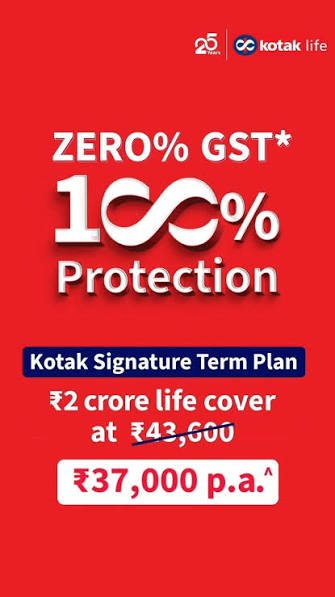
Part of Uday Kotak’s financial powerhouse, Kotak Life caters heavily to salaried urban professionals and high-net-worth individuals.
-
The Reality: Known for customized underwriting and high-sum-assured policies designed to help business owners mitigate personal liability.
-
The Good: Hassle-free tele-medical clearances for healthy corporate employees and straightforward documentation.
-
The Catch: Their retail footprint outside of major metropolitan cities and district headquarters remains limited.

10. PNB MetLife India Insurance
Combining Punjab National Bank’s vast North-Indian branch network with MetLife’s global insurance heritage.
-
The Reality: Highly visible in Tier-2 and semi-urban belts where PNB is the dominant local bank.
-
The Good: Dependable entry-level protection and savings products designed for individuals who want an affordable, bank-linked policy.
-
The Catch: Heavy reliance on bank branch staff for service requests means customer support quality can vary significantly from one branch to another.
The Three Critical Metrics That Actually Matter
Don’t get blinded by marketing slogans. When comparing insurers, look at these three numbers:
-
Claim Settlement Ratio (CSR) by Amount (Not Just by Number):
-
Almost every top insurer boasts a 98%+ CSR by number of policies.
-
What you really need to check in the latest IRDAI Annual Report is the Claim Settlement Ratio by Amount. If an insurer approves 99 out of 100 small ₹2 lakh claims, but rejects one giant ₹2 crore claim, their number ratio looks fantastic (99%), but their amount ratio drops sharply. Pick an insurer whose amount-settled ratio consistently matches their head-count ratio.
-
-
Solvency Ratio (Minimum 150%):
-
Regulated by IRDAI, the solvency ratio reflects an insurer’s financial capability to pay all claims even in the event of an extreme catastrophe.
-
The legal minimum is 150%. All ten insurers above comfortably operate between 180% and 260%.
-
-
Repudiation Rate in the First 3 Years:
-
Under Section 45 of the Insurance Act, an insurer cannot dispute a life insurance claim for any reason whatsoever after three continuous years of policy coverage (provided premiums were paid).
-
However, during the first three years, early claims are heavily investigated for non-disclosure. Check the insurer’s rejection rate on early claims.
-
The Golden Rule: Don’t Mix Insurance with Investment
The single biggest mistake Indian buyers make is buying Endowment Plans, Money-Back Policies, or ULIPs expecting both wealth creation and life cover.
-
The Problem: You end up paying ₹50,000 a year for a meager ₹5 lakh to ₹10 lakh life cover. If something happens to you, ₹10 lakh won’t support your family for even two years.
-
The Solution:
-
Buy a Pure Term Insurance Plan: For roughly ₹12,000 to ₹18,000 a year (for a healthy 30-year-old), you can secure a flat ₹1 Crore to ₹1.5 Crore cover until your target retirement age (age 60 to 65).
-
Invest the Rest: Take the money you saved by avoiding overpriced endowment plans and invest it directly into a simple index fund, PPF, or mutual funds. Your family gets massive financial protection, and your wealth compounds independently.
-
Before You Sign: The Non-Negotiable Checklist
-
Declare Everything: Never let an agent fill out your proposal form without reading it. If you smoke occasionally, had minor surgery five years ago, or have a family history of diabetes, declare it explicitly. An upfront extra premium of ₹1,000/year is far better than having your family’s ₹1 Crore claim rejected for non-disclosure.
-
Skip the “Return of Premium” (TROP) Trap: Insurers will offer to return all your premiums at age 65 if you survive, but they will charge you 2x to 3x higher annual premiums for this feature. Financially, it’s a bad deal—you are essentially giving the insurer an interest-free loan for 30 years. Stick to regular term insurance.
-
Add a Critical Illness Rider: Pair your basic term plan with a comprehensive critical illness rider (covering heart attack, stroke, cancer, and kidney failure). If diagnosed, you get an immediate lump-sum cash payout, protecting your household income while you undergo treatment.