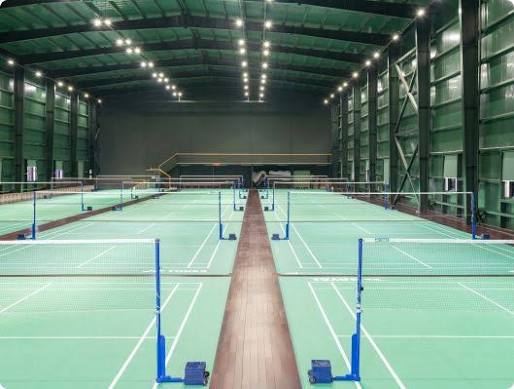
Top 5 badminton academies in india: where aspiring champions actually train
Over the past decade or two, badminton in India has exploded. Watching Saina Nehwal, P.V. Sindhu, Kidambi Srikanth, and Lakshya Sen battle it out on world podiums has inspired an entire generation of kids—and plenty of ambitious parents—to take the sport seriously.
Behind every smooth cross-court slice or explosive jump smash lies an exhausting amount of behind-the-scenes work: 5 AM drills, footwork routines until your calves burn, tactical tape analysis, and relentless conditioning.
A local neighbourhood court works fine to pick up a racket, but if you or your child are aiming for district medals, national rankings, or beyond, the coaching environment makes or breaks that journey. Here is an honest, practical look at five of India’s most recognised badminton academies, what each is actually best at, and how to figure out which one fits your goals.
1. Pullela Gopichand Badminton Academy (PGBA) – Hyderabad
Best for: High-performance, national-level contenders aiming for the elite circuit.
Mention Indian badminton, and PGBA is usually the first name that comes to mind. Founded by All England Champion Pullela Gopichand in Gachibowli, this facility is essentially the cradle of India’s modern Olympic badminton era.
-
The Vibe: Intense, disciplined, and uncompromising. This isn’t a recreational summer camp; it’s a high-performance training ground built around high-volume multi-shuttle drills, match pressure simulations, and world-class athletic conditioning.
-
Facilities: International-standard wooden and synthetic courts, on-site gym, sports physiotherapy, and residential hostels.
-
Keep in Mind: Getting in is tough. Admission isn’t open year-round off the street, and spots for direct high-performance batches depend heavily on existing tournament credentials or rigorous selection trials. Always verify whether open trials are currently running before making travel plans.
2. Prakash Padukone Badminton Academy (PPBA) – Bengaluru
Best for: Sound classical technique, tactical maturity, and structured player development.
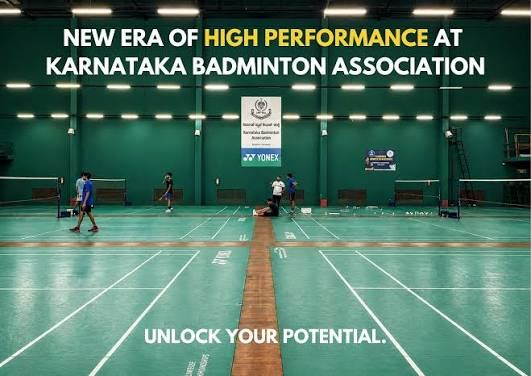
Established in 1994 by India’s legendary first All England Champion Prakash Padukone alongside Vimal Kumar, PPBA (now primarily operating out of the Padukone-Dravid Centre for Sports Excellence) has shaped world-class shuttlers for three decades, including Deepika Padukone’s early competitive days, Aparna Popat, and Lakshya Sen.
-
The Vibe: Methodical, technically refined, and calm. The coaching philosophy prioritises stroke economy, footwork balance, shot selection, and mental composure under pressure over pure brute power.
-
Facilities: Elite courts, cutting-edge sports science and recovery units, dedicated gym setups, and swimming access via the wider CSE campus.
-
Keep in Mind: While PPBA runs grassroots and intermediate development programs, its flagship competitive batches have high standards. If you’re relocating to Bengaluru, plan schooling and accommodation well in advance.
3. The Sports School Badminton Academy – Bengaluru
Best for: Student-athletes who don’t want to choose between boards and the court.
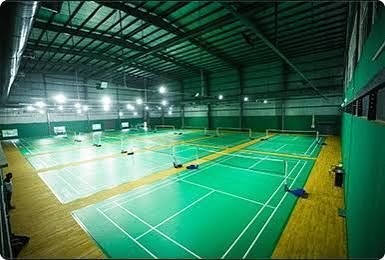
One of the biggest headaches for parents of young athletes is the “sports vs. studies” tug-of-war. Training four hours a day usually leaves kids too exhausted for homework, leading to burnout on both fronts.
-
The Vibe: Integrated student-athlete life. The Sports School pairs a formal academic curriculum with structured sports training on a single campus. With technical mentorship tied to Badminton Gurukul and Gopichand’s training philosophy, students transition straight from the classroom to the court.
-
Facilities: A sprawling campus featuring multi-court indoor setups, dedicated strength and conditioning trainers, boarding, and an in-house academic wing.
-
Keep in Mind: This model is designed primarily for school-aged kids (day scholars or boarders). If you want an ecosystem where the school schedule actively accommodates tournament travel, this is one of the few places in India built specifically for it.
4. United Shuttlers Badminton Academy (USBA) – Delhi
Best for: North India-based juniors and competitive club-level shuttlers.
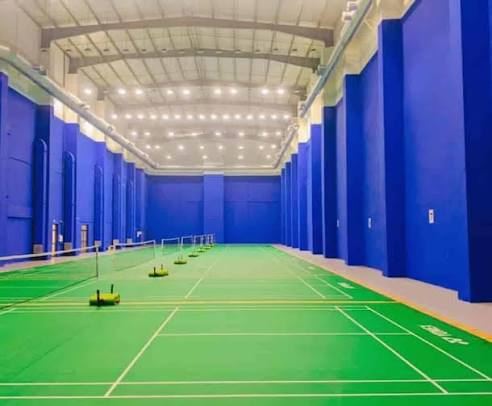
Founded in East Delhi by former national-level players Ajay Kanwar and Manjusha Kanwar, USBA has long been a key hub for badminton talent across the Delhi-NCR circuit.
-
The Vibe: Hands-on, grounded, and technically sound. Having founders who played on the competitive Indian circuit means the drills focus heavily on practical tournament readiness—quick net reflexes, defensive recovery, and tactical doubles rotations.
-
Facilities: Dedicated indoor courts with regular batch-based coaching ranging from grassroots development to competitive junior squads.
-
Keep in Mind: Unlike massive residential sports complexes, USBA functions largely as a dedicated training academy. It’s ideal for players based in or near Delhi looking for rigorous daily coaching without completely uprooting their daily schooling and home life.
5. M.V. Bisht Badminton Academy – Delhi
Best for: Solid foundational coaching under veteran national mentors.

Headed by Madhumita Bisht—an eight-time National Singles Champion, Asia Cup bronze medallist, and longtime national coach—along with Asian Games medallist Vikram Bisht, this academy carries decades of competitive pedigree.
-
The Vibe: Traditional, detail-focused, and player-centric. Madhumita Bisht’s deep experience coaching national squads means she spots mechanical flaws—like poor racket preparation or lazy recovery steps—instantly.
-
Facilities: City-based indoor badminton facilities running batch-wise training.
-
Keep in Mind: It’s an excellent option for juniors and aspiring state players looking for personal attention and strong fundamental drills. Check their current operating venues and trial schedules directly, as batch allocations fill up quickly.
What Actually Matters When Choosing an Academy?
A prestigious name on the jersey means nothing if the daily reality doesn’t match what the player needs. Before paying an annual fee or signing up for boarding, evaluate these four realities:
| Factor | What to Watch Out For |
| Who is actually on the court? | A celebrity mentor might drop in occasionally, but who runs the daily 6 AM shuttle feeding? Make sure the day-to-day coach is experienced and gives regular individual corrections. |
| Batch size & court ratio | If there are 16 kids rotating through 2 courts for an hour, your child will spend 40 minutes standing around. Look for dedicated court time and small player-to-coach ratios. |
| Commute vs. recovery | Spending 90 minutes stuck in traffic each way drains energy needed for agility and school. Proximity often beats prestige for early-stage development. |
| Pathway for progression | Does the academy organise internal sparring, simulate tournament pressure, and guide players through district and state ranking entries? |
A Quick Word on Timing
Don’t rush to send an eight-year-old away to an intensive residential academy. Start local, let them develop hand-eye coordination, agility, and genuine love for the game. Once they dominate local club matches, show self-driven discipline, and explicitly ask for harder competition, that’s your cue to look into high-performance academies like PPBA, Gopichand, or The Sports School.
Book a 2-day trial session, watch how the coaches speak to the kids when they make mistakes, and make your decision from the sidelines—not just from a brochure.