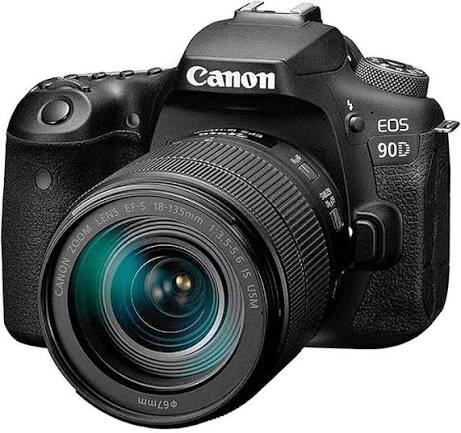
Top 5 camera brands in india
Smartphone cameras have gotten scarily good, but anyone who has tried to snap a bird in flight, shoot a moody low-light portrait, or film a polished YouTube video knows their limits. Flat sensors, digital zoom, and artificial processing can only take you so far. When you want real depth of field, tactile control, and optical reach, you need a dedicated camera.
Stepping into the camera world today, however, can feel like walking into an alphabet soup of specs: APS-C vs. Full-Frame, IBIS, C-Log, phase-detect autofocus, and lens mounts. Worse, a camera isn’t a standalone gadget—it’s an entire ecosystem. When you pick a brand, you’re usually marrying their lens lineup for the next five to ten years.
Here is an honest, grounded breakdown of the top five camera brands in India, what each does best, and where your money is best spent.
Quick Brand Snapshot
| Brand | Standout Strength | Best For | Typical Sweet Spot |
| Canon | Intuitive menus, great skin tones & ergonomics | Beginners, wedding photographers, portraits | EOS R50 / R10 / R6 series |
| Sony | Industry-best autofocus & huge lens selection | Vloggers, hybrid shooters, travel, tech lovers | ZV-E10 / A6700 / A7 IV |
| Nikon | Exceptional glass, rugged bodies & raw dynamic range | Wildlife, landscape, pure stills purists | Z50 / Z6 III / Z8 |
| Fujifilm | Gorgeous film simulations, retro dials & compact bodies | Street photographers, everyday carry, travel | X-T30 series / X-T5 / X100 series |
| Panasonic | Pro video codecs, unlimited recording & killer IBIS | Independent filmmakers, documentary, studio video | Lumix S5 II / GH series |
1. Canon: The Friendly Giant That Just Works
If you ask ten professional Indian wedding photographers what they shoot with, at least six will probably hand you a Canon. Canon built its empire on intuitive menu systems, comfortable handgrips, and warm, flattering color science right out of the camera—especially for human skin tones.
Canon’s modern mirrorless world revolves around the EOS R system. For newcomers, bodies like the EOS R100 or the much more capable EOS R50 provide an approachable on-ramp without feeling like you need an engineering degree to change a setting. Higher up, the full-frame R6 and R5 lines are industry standards for event and studio work.
-
What works: The Dual Pixel CMOS autofocus locks onto human faces and eyes reliably; the touchscreen interface is the most intuitive in the business; colors require very little post-processing tweaking.
-
Keep in mind: Canon keeps a tight grip on its RF lens mount. Unlike Sony, there is still limited third-party autofocus lens support (like Sigma or Tamron) for full-frame RF bodies, meaning you often have to pay a premium for native Canon glass.
2. Sony: The Autofocus King with the Biggest Lens Playground

A decade ago, Sony bet the house on mirrorless technology while legacy brands hesitated, and that head start still shows. Sony cameras are essentially computers with high-end sensors attached.
Their real superpower is two-fold: autofocus tracking and the E-mount ecosystem. Sony’s real-time eye tracking (for humans, animals, and birds) feels like cheating—it simply refuses to lose focus. On top of that, Sony opened their mount to third-party manufacturers early. That means whether you have a tight ₹30,000 lens budget or a ₹1,50,000 budget, you can choose between native Sony glass, Sigma, Tamron, or Samyang.
For creators, the ZV series (like the ZV-E10) is practically the default starter kit for Indian YouTubers, while the A7 IV remains the gold standard hybrid workhorse for freelancers.
-
What works: Relentless autofocus, unmatched third-party lens variety, class-leading battery life on newer Z-batteries, and compact bodies.
-
Keep in mind: Sony bodies lean boxy and compact, which can feel cramped if you have larger hands. The menus have improved dramatically on newer models, but older bodies can still feel overly complicated.
3. Nikon: The Stills Purist’s Dream
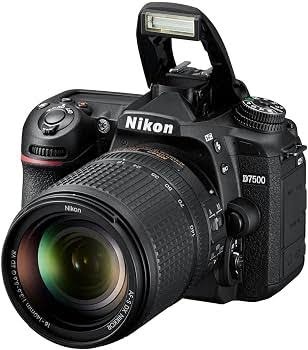
Nikon spent years being slightly underestimated in the early mirrorless race, but their Z-system has matured into a powerhouse. If your primary joy is crafting a gorgeous still photograph, Nikon deserves your attention.
Nikon camera bodies feel fantastic in the hand. The grips are deep, buttons are placed where your fingers naturally rest, and the weather-sealing on mid-to-high-end bodies is built like a tank. Furthermore, the massive inner diameter of the Z-mount has allowed Nikon to produce some of the sharpest, most optically pristine lenses available today.
For India’s massive community of bird and wildlife photographers heading to Kabini or Corbett, Nikon’s recent autofocus updates and telephoto lens offerings (from the Z8 down to capable mid-range bodies) make it a formidable platform.
-
What works: Class-leading dynamic range (shadow recovery in landscape photos is remarkable), rugged build quality, and stunning optical performance from Z-mount glass.
-
Keep in mind: Entry-level APS-C options are somewhat limited compared to Sony, and lens options from third parties are still catching up to the E-mount library.
4. Fujifilm: Bringing the Joy Back to the Process
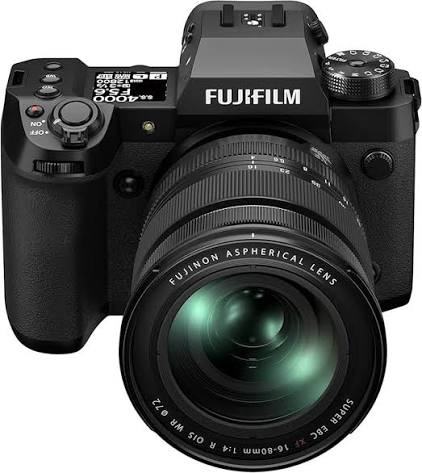
Most modern digital cameras feel like sleek office appliances. Fujifilm cameras feel like classic mechanical instruments.
Instead of burying basic exposure controls inside digital menu screens, most Fuji bodies put dedicated physical dials for shutter speed, ISO, and exposure compensation right on the top plate. But the real selling point is Fujifilm’s proprietary Film Simulation modes (like Classic Chrome, Astia, and Acros). These aren’t cheap Instagram filters; they are mathematically tuned color profiles that produce rich, cinematic JPEGs directly in-camera, cutting out hours of editing on a computer.
Their focus is almost entirely on the APS-C sensor format, which keeps both the camera bodies and the lenses relatively small, lightweight, and discreet.
-
What works: Distinctive vintage styling, compact prime lenses, tactile dial-based shooting, and ready-to-share colors straight out of the box.
-
Keep in mind: While their newer models have made huge strides in autofocus tracking and video specs, they still sit a step behind Sony and Canon for fast-paced, unpredictable action like sports or erratic wedding crowds.
5. Panasonic Lumix: The Independent Filmmaker’s Secret Weapon

If your ambition leans 70% toward video and 30% toward stills, Panasonic Lumix should be at the top of your list.
While other brands often artificially throttle video features (like imposing recording time limits, omitting headphone jacks, or charging extra for Log profiles) to protect their high-end cinema lines, Panasonic packs professional video tools into budget-friendly bodies. Models like the full-frame Lumix S5 II brought phase-detect autofocus to the platform, solving the brand’s historically sluggish video focusing.
Their In-Body Image Stabilization (IBIS) is arguably the smoothest on the market—often good enough that you can leave your heavy motorized gimbal at home for casual walking shots.
-
What works: Unmatched internal video recording options (ProRes, 10-bit color, open-gate recording), phenomenal sensor stabilization, and robust heat management that avoids overheating.
-
Keep in mind: Panasonic is heavily video-skewed. If you are strictly a stills photographer, Canon or Nikon generally offer a more tailored photography experience and faster burst workflows.
Three Practical Rules Before Swiping Your Card
-
Budget for the system, not the body: If you have a ₹1,00,000 budget, do not buy a ₹95,000 camera body. Buy a ₹60,000 body and spend the remaining ₹40,000 on a fast prime lens (like a 50mm f/1.8), an extra battery, a fast SD card, and a comfortable bag. The glass in front of your sensor dictates image quality far more than a slightly newer camera sensor.
-
Forget DSLRs for new purchases: Traditional DSLRs with mechanical mirrors are essentially legacy tech. Unless you are buying a used Nikon D750 or Canon 200D II on a sub-₹30,000 shoestring budget, put your money into a modern mirrorless mount. That is where all modern lens development and autofocus innovation live.
-
Hold it before you buy it: Specs on a paper sheet don’t account for how a camera feels after three hours around your neck. Visit an electronics hub or a local camera retailer, hold a Sony, a Canon, and a Nikon in your hands, and see which button layout feels natural to your grip.
The Verdict
-
If you want foolproof ease of use and lovely skin tones, start with Canon.
-
If you want the ultimate hybrid tool, best-in-class autofocus, and endless lens options, pick Sony.
-
If you care about raw photographic fidelity, landscape dynamic range, and tough ergonomics, go with Nikon.
-
If you want a compact, stylish travel companion that makes you fall in love with the art of shooting, buy a Fujifilm.
-
If you are a serious solo videographer or content creator, look straight at Panasonic Lumix.