Top 5 cricket coaches in the world
When cricket teams lift trophies, the camera invariably pans to the captain, the superstar batter, or the bowler who bowled the final over. The coach is usually tucked somewhere in the dugout, wearing a floppy hat, notebook in hand, applauding quietly.
Yet behind every clinical run-chase, tactical boundary trap, and resilient dressing-room culture, an elite coach is pulling the strings.
Ranking cricket coaches is notoriously tricky. How do you weigh someone who dominates the high-stakes, two-month blitz of the IPL against a tactician who builds an invincible Test outfit over a four-year cycle? You can’t just count silverware. You have to look at adaptability, man-management, tactical sharpness, and the lasting systems they leave behind.
Here is a closer look at five coaches who have genuinely defined the craft in the modern era.
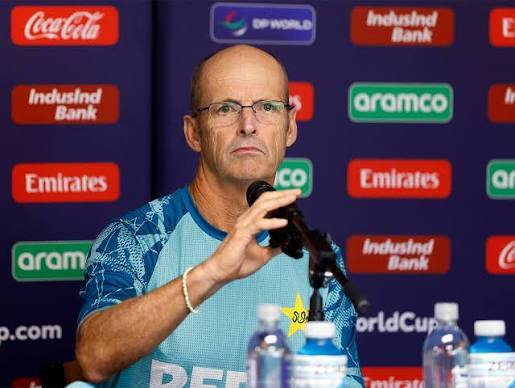
1. Gary Kirsten: The Player’s Whisperer
Before Gary Kirsten took charge of India in 2008, the dressing room was still recovering from the volatile Greg Chappell era. Kirsten brought the exact opposite energy: quiet authority, zero ego, and deep empathy.
He didn’t try to reinvent Sachin Tendulkar’s technique or tell MS Dhoni how to finish games. Instead, he created an environment where players felt bulletproof. That understated approach culminated in India lifting the 2011 ODI World Cup after a 28-year drought. He followed that up by taking his native South Africa to the summit of the ICC Test rankings across all three formats by 2013.
-
His signature: Creating psychological safety. Kirsten’s genius lies in taking the spotlight completely off himself so his players can carry the pressure without suffocating.
2. Stephen Fleming: The Franchise Blueprint
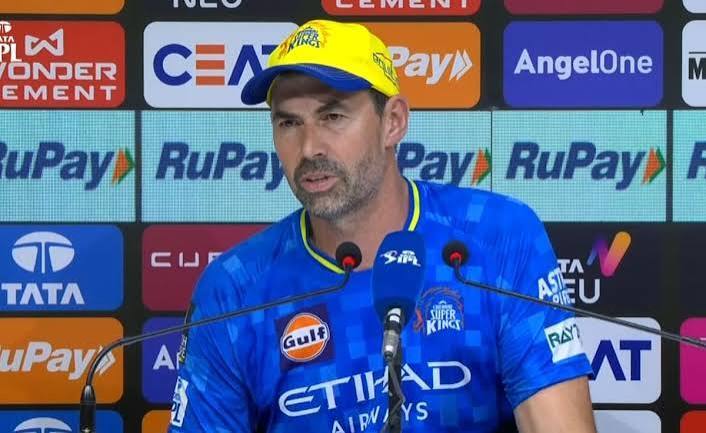
In a format as volatile as T20 cricket, consistency shouldn’t exist. Yet Stephen Fleming built an empire of stability with the Chennai Super Kings, guiding them to five IPL titles.
While other franchises chop, change, and panic-buy at auctions, Fleming and Dhoni built an unshakeable ecosystem around continuity. Fleming understands player match-ups and game theory, but his real superpower is backing players through poor form. He gives veterans a second lease on life and offers rookies crystal-clear roles. That same tactical clarity is why franchise setups across South Africa, the US, and national boards have consistently knocked on his door.
-
His signature: Backing continuity over knee-jerk changes. Fleming rarely lets one bad over—or three bad matches—derail a well-crafted season plan.
3. Gautam Gambhir: Intensity and Fearless Instinct

Gautam Gambhir coaches exactly the way he used to bat: aggressive, unapologetic, and completely focused on the win.
Where other modern setups preach “processes” and “taking it deep,” Gambhir demands proactive, attacking cricket from ball one. We saw the blueprint during his playing days leading KKR, and he underlined it as a mentor by revitalizing Kolkata to an IPL title in 2024 before stepping into the national head coach role. He strips away individual milestones and forces players to embrace high-risk, match-winning intent.
-
His signature: Tactical aggression and total accountability. If a player is going to get out, Gambhir wants them getting out trying to push the team ahead, not safeguarding their average.
4. Andy Flower: The Meticulous Grandmaster

If Kirsten is a people-first manager and Fleming is the calm pragmatist, Andy Flower is the master chess player.
During his peak with England, Flower turned a notoriously inconsistent side into an ironclad unit. Under his watch, England won the 2010 T20 World Cup, snatched a rare 3–1 Ashes triumph on Australian soil in 2010–11, and ascended to the world No. 1 Test ranking. His transition into the franchise circuit (PSL, CPL, IPL) proved that his tactical rigor wasn’t a one-off. Flower is obsessed with preparation, technical discipline, and exposing opposition weaknesses.
-
His signature: Relentless analytical preparation. His players take the field with zero doubt about what the opposition will bowl or where the scoring areas are.
5. Rahul Dravid: The Architect of the Pipeline

Long before Rahul Dravid took India’s senior side to the 2024 T20 World Cup title, he was doing the hard, invisible yards at the grassroots level.
As head of the National Cricket Academy and coach of India A and the Under-19 sides, Dravid systematically built the bench strength that makes Indian cricket an international juggernaut. He didn’t just teach cover drives; he taught teenage prodigies how to handle failure, media scrutiny, and the grind of first-class cricket. When he took over the senior team, that patience came full circle, navigating heartbreak in two 2023 ICC finals before breaking the drought in Barbados.
-
His signature: Long-term development and character-building over quick fixes.
At a Glance
| Coach | Defining Achievement | Core Philosophy |
| Gary Kirsten | 2011 ODI World Cup, No. 1 Test ranking with SA | Low-profile, high-empathy player empowerment |
| Stephen Fleming | 5 IPL Titles with CSK | Role clarity, long-term stability, calm match-ups |
| Gautam Gambhir | IPL 2024 mentor success, high-impact tactical turnaround | Fearless attacking intent, team-first accountability |
| Andy Flower | 2010 T20 World Cup, 2010–11 Ashes win in Australia | Data-backed preparation, structural discipline |
| Rahul Dravid | 2024 T20 World Cup, 2018 U-19 World Cup title | Grassroots pathway development, technical rigor |
What Actually Separates Good Coaches From the Greats?
Anyone with a decent playing career can run a net session or suggest field placements. What sets this tier apart comes down to three non-negotiables:
-
Role Definition Over Raw Talent: Great coaches don’t assemble eleven stars; they assign clear, narrow jobs. A batter who knows their exact job in overs 7–11 will almost always outperform a more talented player who isn’t sure whether to anchor or hit out.
-
Ego Management: In dressing rooms stacked with multi-million-dollar contracts, national icons, and massive social media followings, tactical authority counts for little if the coach can’t command genuine respect.
-
Absorbing Tournament Pressure: When a team collapses or drops a must-win game, the coach acts as the shock absorber between external outrage and the players’ headspace.
There’s no single blueprint for coaching greatness. Kirsten won with quiet support, Gambhir through pure competitive fire, Fleming with unshakable patience, Flower through detailed strategy, and Dravid by building rock-solid foundations. But every single one proves that while players win matches, coaches build the teams capable of doing it again and again.