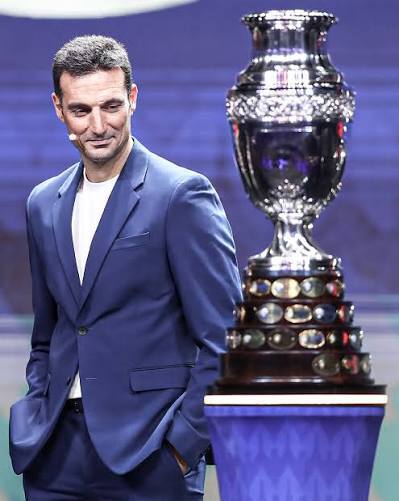
Top 5 football coaches in the world
Football isn’t just about 22 players running around, hitting crisp passes, and scoring wonder goals. Behind every dominant side is someone pacing the technical area—the tactician finding the extra half-yard in midfield, the psychologist keeping bloated egos in check, and the leader making the split-second substitution that turns a final on its head.
Modern management has evolved. It’s no longer enough to just pick a solid starting eleven and tell them to “go express yourselves.” Between tactical systems, biometric data, relentless match congestion, and dressing-room politics, the job is harder than it’s ever been.
Ranking managers is always subjective, but looking across both club dominance and international tournament grit, five names stand out right now: Carlo Ancelotti, Luis Enrique, Mikel Arteta, Lionel Scaloni, and Luis de la Fuente.
Here is how they built their teams, what makes their tactical setups tick, and why they’re operating at the very top of the sport.
1. Carlo Ancelotti: The Master of Cool and Tactical Pragmatism
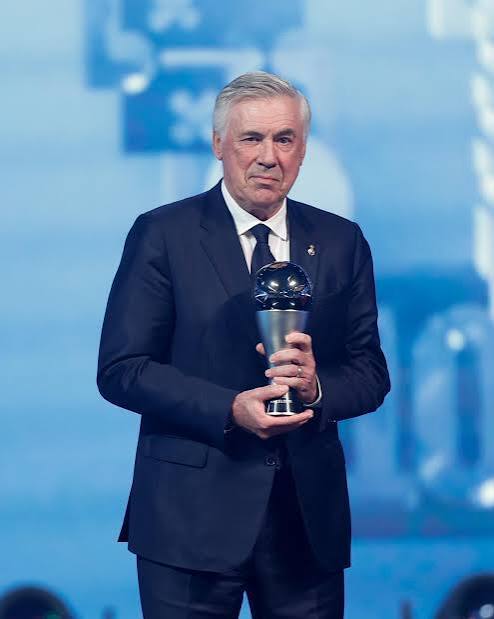
If modern football management is often defined by hyper-controlling obsessives, “Don Carlo” is the ultimate antidote. The Italian doesn’t treat players like pawns on a chessboard; he treats them like artists who need the right environment to flourish.
What He’s Done
Ancelotti’s CV is ridiculous. He remains the only manager to win all five top European domestic leagues (England, Spain, Italy, Germany, France) and holds the record with five UEFA Champions League titles (two with AC Milan, three with Real Madrid).
How He Operates
Ancelotti’s genius lies in pragmatic simplicity and man-management. While purists debate pressing triggers and inverted full-backs, Ancelotti figures out what his best players do naturally, builds a shape that protects their weaknesses, and lets them decide games. When Real Madrid needed to transition from the Kroos-Modrić era, Carlo tweaked formations on the fly—shifting seamlessly from a classic 4-3-3 to a diamond midfield to unleash Jude Bellingham.
He doesn’t panic when his team goes a goal down, which is why his squads always believe they can pull off a late miracle. He gives elite stars the freedom to think for themselves under pressure.
2. Luis Enrique: Relentless Energy and Total Control
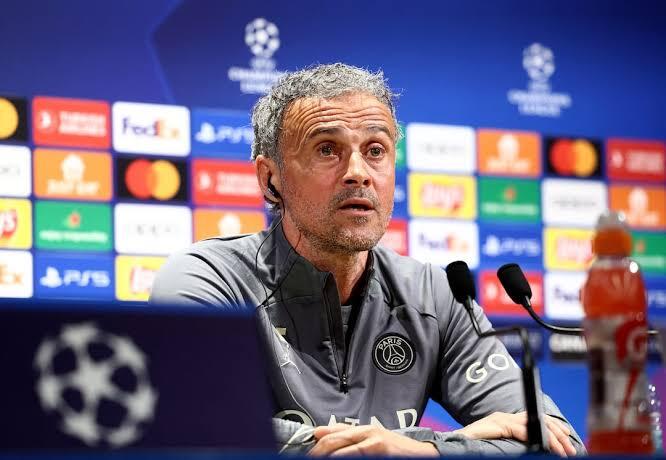
Few managers bring the raw intensity of Luis Enrique. Whether at Barcelona, with the Spanish national team, or at Paris Saint-Germain, you always know within ten minutes of watching a match if it’s a Luis Enrique side.
What He’s Done
He took Barcelona to an iconic treble in 2014–15, balancing the explosive individual talents of the Messi-Suárez-Neymar trident with an unusually direct, aggressive transition game. At PSG, he took on the club’s long-standing culture problems, clearing out superstar excess to build a younger, hungrier, and far more cohesive unit.
How He Operates
Unlike dogmatic possession coaches who pass just for the sake of it, Enrique wants the ball so he can hurt you with it. His setups rely on:
-
Aggressive high counter-pressing to win possession within seconds of losing it.
-
Verticality—using possession to drag opposing lines out of position before hitting rapid diagonal passes into wide runners.
-
Demanding positional versatility, expecting wingers to press like central midfielders and full-backs to tuck inside.
He runs a tight ship, demands supreme physical conditioning, and has zero patience for complacency.
3. Mikel Arteta: The Obsessive Architect
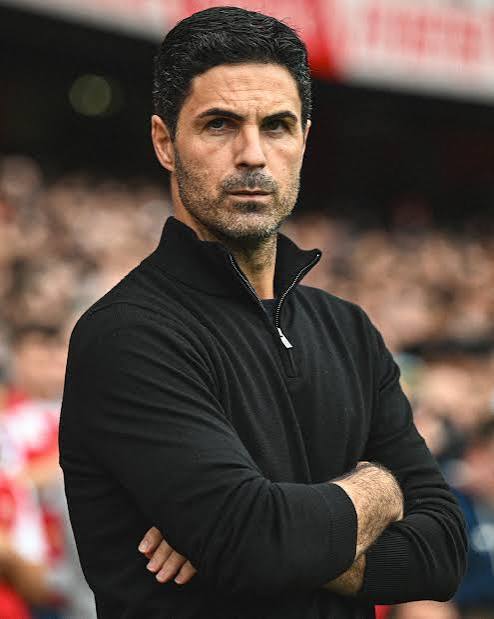
Stepping into Arsenal in late 2019 was a thankless task. The squad was bloated, results were drifting, and the Emirates felt disconnected. Fast forward a few seasons, and Arteta didn’t just rebuild Arsenal; he fundamentally altered their DNA.
What He’s Done
Starting with an FA Cup win within months of taking over, Arteta methodically culled high-earning deadwood, backed young academy talent, and rebuilt the club from the training pitch upward into genuine league champions and European contenders.
How He Operates
Deeply influenced by his apprenticeship under Pep Guardiola, Arteta is a disciple of Juego de Posición (Positional Play). Every movement on the pitch is meticulously drilled:
-
Defensive solidity first: Arsenal’s resurgence was anchored on becoming the meanest defensive unit around, choking transitions before they start.
-
Set-piece mastery: Under Arteta and set-piece coach Nicolas Jover, Arsenal turned dead-ball situations into an almost unstoppable weapon.
-
Controlled tempo: Pinning opponents back into their own third with inverted defenders and sustained territorial pressure.
He’s demanding, hyper-detailed, and has established an uncompromising culture where nobody gets a pass on work rate.
4. Lionel Scaloni: Turning Individual Talent into a Cohesive Brotherhood
When Lionel Scaloni took the Argentina job on an interim basis in 2018, skeptics in Buenos Aires thought it was a temporary fix. He had no senior managerial experience and was stepping into a fractured dressing room bruised by World Cup disappointment.
Instead, he engineered one of the greatest international runs in history.
What He’s Done
-
2021 Copa América (beating Brazil at the Maracanã to end a 28-year senior trophy drought).
-
2022 FIFA World Cup in Qatar.
-
2024 Copa América, cementing this Argentina squad as an era-defining international dynasty.
How He Operates
International football doesn’t afford coaches months of daily tactical drilling. Success comes down to team chemistry, tactical clarity, and making the squad feel like a club side.
Scaloni’s masterstroke was solving the puzzle that had troubled Argentina managers for fifteen years: How do you get the best out of Lionel Messi without leaving the team fragile?
He built a hardworking midfield—surrounding Messi with relentlessly energetic ball-winners like Rodrigo De Paul, Alexis Mac Allister, and Enzo Fernández. Scaloni also refuses to be wedded to a single system; in Qatar, he switched between a back three, a 4-3-3, and a flat 4-4-2 depending on the opposition, and his players executed each tweak without skipping a beat.
5. Luis de la Fuente: The Quiet Developer Who Brought Spain Back to the Top
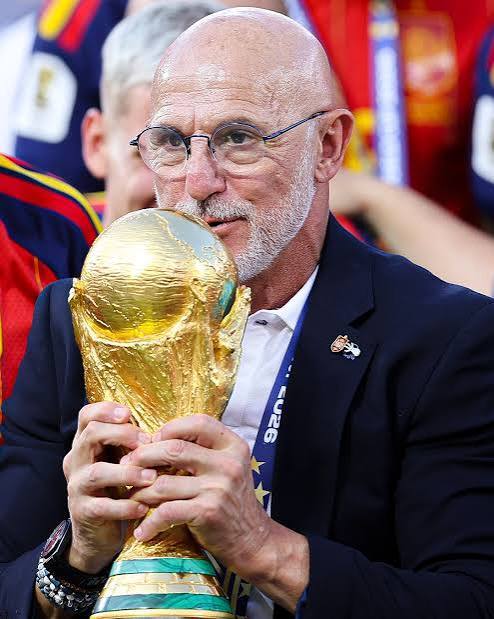
Luis de la Fuente was never a household name in European club management. Instead, he worked quietly in the background of the Spanish FA (RFEF) for a decade, coaching the Under-19, Under-21, and Olympic sides. When he was promoted to the senior job, few outside Spain expected fireworks.
What followed was a masterclass in modern international coaching.
What He’s Done
He guided La Roja to victory at UEFA Euro 2024, sweeping past heavyweights like Germany, France, and England with the most attractive, vibrant football of the tournament.
How He Operates
De la Fuente did something crucial: he rescued Spanish football from stale, toothless tiki-taka.
Instead of racking up 1,000 passes outside the penalty box with nowhere to go, his Spain plays with speed, width, and directness. Having coached players like Nico Williams, Lamine Yamal, and Pedri through youth setups, he knew their strengths intimately. He handed young wingers the license to take defenders on one-on-one, backed them with a solid double pivot, and built a side that was both technically graceful and physically ruthless on the counter.
How They Stack Up
| Manager | Key Domain | Defining Philosophy | Core Strength |
| Carlo Ancelotti | Elite Club Football | Player empowerment & adaptive systems | Composure, dressing-room harmony, tactical flexibility |
| Luis Enrique | Elite Club Football | Positional aggression & vertical possession | High pressing, intense fitness demands, squad buy-in |
| Mikel Arteta | Elite Club Football | Methodical positional play & strict defensive shape | Set pieces, structural discipline, long-term project building |
| Lionel Scaloni | International Football | Resilient transitions & fluid tactical setups | Creating team brotherhood, freeing up his key playmaker |
| Luis de la Fuente | International Football | Direct, vertical possession with explosive wing play | Talent pathway integration, trust in youth, game speed |
So, Who Is Actually Number One?
There is no single correct answer because managing a club team through a 60-game season is a completely different discipline from steering a national side through a month-long knockout tournament.
-
If you need a squad of volatile superstars to gel together and win a knockout tie under massive pressure, Ancelotti is the coach you call every time.
-
If you want to build an intense, modern, pressing identity from scratch, Arteta or Luis Enrique will build that machine.
-
If you have two weeks to take 26 individuals and turn them into a unified, tournament-winning brotherhood, Scaloni and de la Fuente have written the modern playbook on how it’s done.
Great coaching isn’t just about collecting medals—it’s about leaving a recognizable tactical footprint and getting players to run through brick walls for the badge. Right now, these five are doing it better than anyone else on the planet.