Top 5 football academies in the world
Before the multi-million-euro transfer sagas, Champions League trophies, and stadium-wide chants, every elite footballer starts in the same place: a training ground where someone is teaching them body shape, spatial awareness, and how to survive the cutthroat jump to senior football.
Everyone has an opinion on who runs the best talent pipeline. Ask five fans and you’ll get five different answers—usually leaning toward Barcelona, Ajax, or whichever club spent big on their favorite wonderkid last summer.
The CIES Football Observatory looked past the hype. In Weekly Post 518, they analyzed active players across 49 leagues worldwide to figure out which clubs actually feed the professional game. Rather than just tallying up famous alumni, CIES built a weighted training index factoring in:
-
The raw volume of players trained
-
The competitive level of the clubs they play for today
-
How many official minutes they log on the pitch
To count as a “training club,” a player must have spent at least three seasons there between their 15th and 21st birthdays.
The resulting top five features European juggernauts and South American powerhouses.
The Global Top 5 at a Glance
| Rank | Academy / Club | Country | Active Players | Avg. Minutes | Avg. Club Level | Training Index |
| 1 | Benfica | Portugal | 93 | 2,582 | 0.807 | 105.1 |
| 2 | FC Barcelona | Spain | 76 | 2,773 | 0.875 | 98.7 |
| 3 | River Plate | Argentina | 97 | 2,305 | 0.805 | 98.3 |
| 4 | Ajax | Netherlands | 80 | 2,690 | 0.841 | 97.6 |
| 5 | Boca Juniors | Argentina | 86 | 2,516 | 0.808 | 95.0 |
Source: CIES Football Observatory (Weekly Post 518).
1. Benfica (Portugal)
Training Index: 105.1
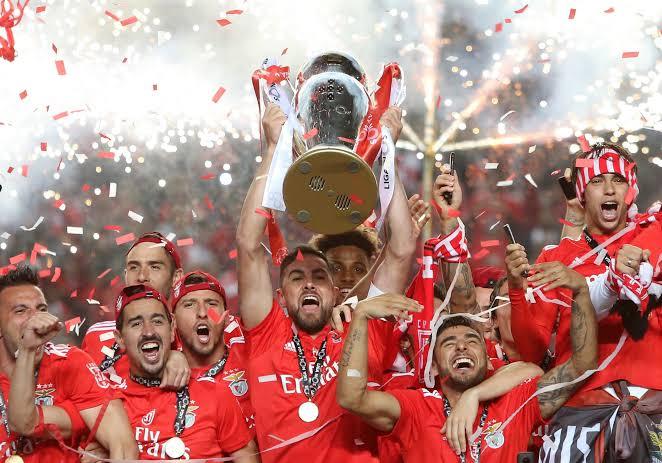
Benfica doesn’t just produce good players; they run an industrial-grade talent assembly line out of Seixal. Sitting comfortably clear at the top with a score of 105.1, the Portuguese giants had 93 graduates active across the 49 leagues studied.
What makes Benfica different from clubs that stumble across a golden generation every decade is structural consistency. The Benfica Campus operates in tandem with six regional talent hubs across Portugal, ensuring nobody slips through the cracks before funneling top prospects to the main facility. Combined with aggressive scouting across South America and Europe, they spot potential early, coach positional versatility, and—crucially—give teenagers first-team minutes early to test their resolve.
-
Notable graduates: Bernardo Silva, Rúben Dias, João Cancelo, João Félix, Ederson, Renato Sanches.
2. FC Barcelona (Spain)
Training Index: 98.7
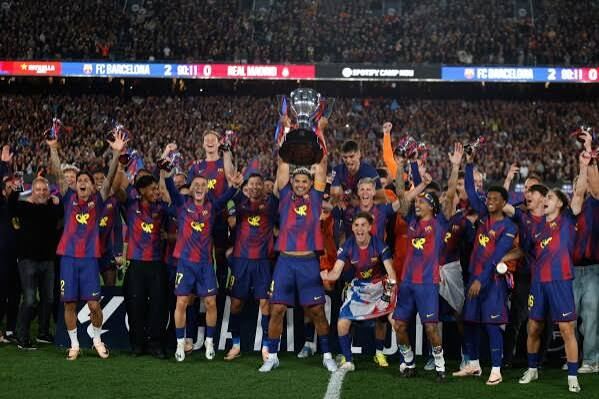
La Masia doesn’t have the highest head count on this list (76 players), but the caliber of its output is unmatched. Barcelona graduates logged the highest average playing time (2,773 minutes) and played at the highest competitive level (0.875) of any academy in the top tier.
Barça’s youth system isn’t designed to produce functional journeymen; it conditions prospects for a hyper-specific, possession-heavy tactical system where cognitive speed beats raw physical power. When players leave La Masia, they walk into senior dressing rooms with elite technical security and an innate understanding of space, making them plug-and-play starters across Europe’s top five leagues.
-
Notable graduates: Lionel Messi, Andrés Iniesta, Xavi Hernández, Sergio Busquets, Gavi, Lamine Yamal.
3. River Plate (Argentina)
Training Index: 98.3

If you want proof that South America remains the heartbeat of global football production, look at River Plate. With 97 active professional graduates in the dataset, River produced more working pros than any other academy in the top five.
The environment at River Plate demands technical brilliance under intense tactical and physical pressure. Prospects grow up having to win games in ferocious domestic competitions, forging players who transition seamlessly to the physical and psychological demands of European leagues.
-
Notable graduates: Julián Álvarez, Enzo Fernández, Gonzalo Higuaín, Pablo Aimar, Radamel Falcao.
4. Ajax (Netherlands)
Training Index: 97.6

Ajax’s De Toekomst (“The Future”) remains the architectural blueprint for modern youth development. Ranking fourth with an index of 97.6, Ajax continues to punch well above its financial weight on the continental stage.
Their 80 graduates averaged nearly 2,700 minutes at an exceptionally high competitive tier (0.841). Ajax treats academy education like applied science: every youth side mirrors the first team’s positional play, demanding that wingers, midfielders, and center-backs master 1v1 duels, quick combination passing, and tactical fluidity before ever signing a senior deal.
-
Notable graduates: Clarence Seedorf, Dennis Bergkamp, Wesley Sneijder, Frenkie de Jong, Matthijs de Ligt.
5. Boca Juniors (Argentina)
Training Index: 95.0
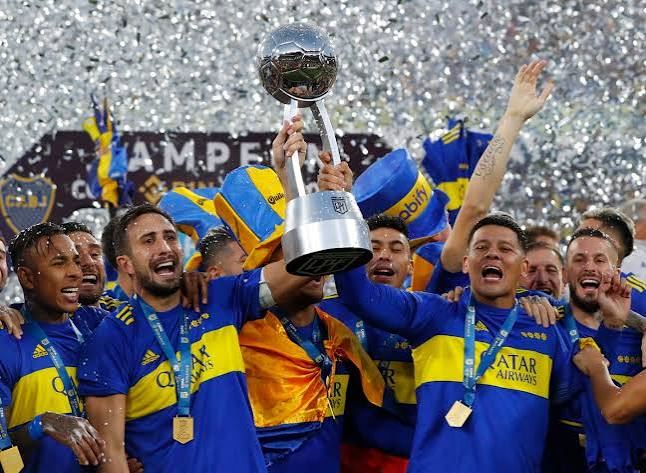
Rounding out the top five is Boca Juniors, ensuring Argentina is the only country with two clubs at the very top. Boca placed 86 active players across the surveyed competitions, with an average of over 2,500 minutes logged per player.
Boca’s academy produces players with grit, street-smart game management, and tactical resilience. Where other setups focus almost exclusively on technical drills in controlled settings, Boca immerses young players in high-stakes, pressurized football from their early teens, preparing them for the physical demands of high-tier leagues worldwide.
-
Notable graduates: Carlos Tévez, Fernando Gago, Éver Banega, Leandro Paredes, Rodrigo Bentancur.
Why Aren’t Real Madrid, Chelsea, or Man City in the Top 5?
It’s easy to look at this list and wonder where the world’s richest clubs are. Real Madrid ranks 9th (Index: 74.8), while English clubs sit further back.
This isn’t an indictment of their coaching quality. It comes down to roster bottlenecks and definitions. The richest clubs often sign finished products or buy 18-to-20-year-olds who don’t spend the required three formative years at the club to qualify under CIES rules. Furthermore, breaking into the starting XI at a club targeting a treble every season is brutally difficult, leading many prospects to stall out on loan carousels rather than racking up consistent senior minutes.
The Real Takeaway
Modern player development isn’t just about stumbling upon a once-in-a-generation genius; it’s about infrastructure.
Benfica leads because they turned player development into an exact operational science. Barcelona thrives because of an unwavering tactical identity. And the presence of both River Plate and Boca Juniors proves that raw talent, cultural obsession, and competitive pressure still make Argentina one of the greatest football talent hubs on earth.