Top 5 runners in the world: the fastest and greatest running stars of all time
Ranking the greatest runners of all time across different distances is notoriously messy. How do you weigh an explosive 9.58-second 100-meter burst against 42 kilometers of relentless, aerobic punishment?
They are almost entirely different sports. Yet across sprints, middle distance, and the marathon, a handful of names have permanently altered what we thought human physiology could withstand.
Here are five athletes who redefined their disciplines, dominated their eras, and left records that cast immense shadows over track and field.
1. Usain Bolt: The Sprint Benchmark
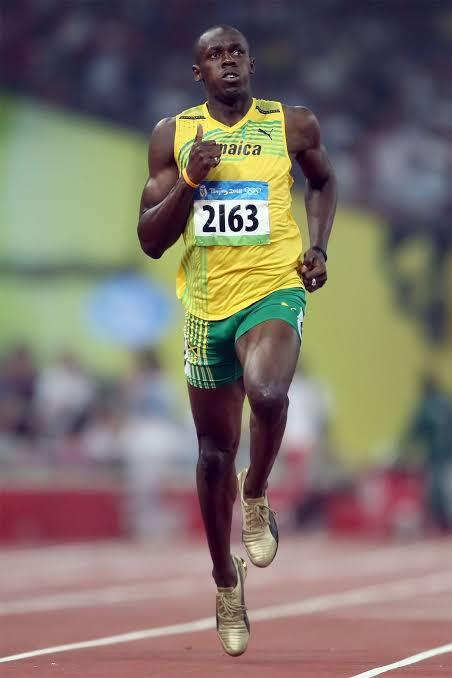
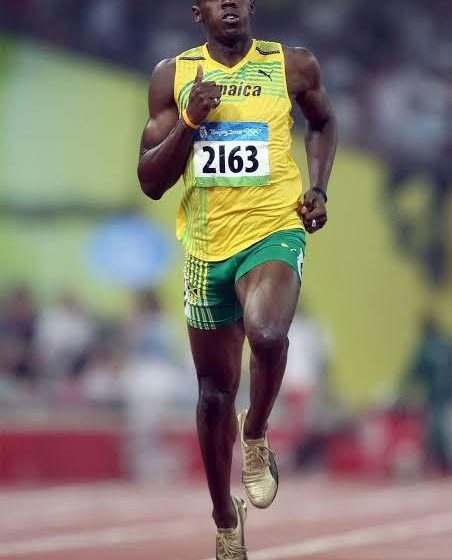
No serious conversation about pure foot speed begins anywhere other than Usain Bolt.
Before the Jamaican broke out at the 2008 Beijing Olympics, the conventional track wisdom was clear: sprinters needed to be compact, explosive, and low to the ground to drive out of the blocks. At 6’5″, Bolt shattered that archetype. Once he opened his stride, his top-end velocity was untouchable, covering 100 meters in just 41 strides while his rivals needed 44 or 45.
His 9.58-second 100m and 19.19-second 200m world records, clocked at the 2009 Berlin World Championships, have stood untouched for over a decade and a half. Beyond eight Olympic golds and eleven World Championship titles, Bolt turned track meets into must-watch theater, playing to the crowd right up until the gun fired. He remains the definitive measuring stick for human speed.
2. Eliud Kipchoge: The Standard for Marathon Greatness
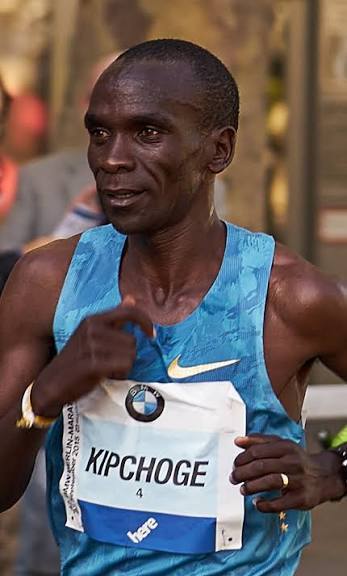
If Bolt defined raw power, Eliud Kipchoge mastered endurance, efficiency, and longevity.
For nearly a decade, Kipchoge treated the marathon distance with absolute authority. Across his career, he racked up back-to-back Olympic marathon gold medals (Rio 2016 and Tokyo 2020), collected double-digit World Marathon Majors titles, and twice lowered the official world record in Berlin—peaking at 2:01:09 in 2022.
Kipchoge’s real cultural breakthrough, however, was psychological. By running an unofficial 1:59:40.2 in Vienna in 2019 during the staged INEOS challenge, he proved that the sub-two-hour barrier wasn’t an insurmountable biological wall. His mantra, “No human is limited,” defined a golden era of road racing.
3. Kelvin Kiptum: The Trailblazer Who Reset the Limits
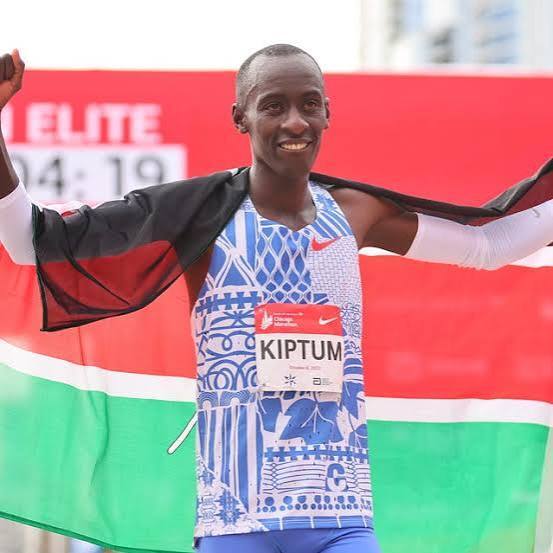
Kelvin Kiptum’s career burned bright and fast, but it fundamentally changed marathon history.
Unlike veteran road runners who spent years on the track before stepping up to 26.2 miles, Kiptum went straight to the road and attacked the marathon with unprecedented ferocity. In just his third marathon—Chicago in October 2023—he ran 2:00:35, shaving 34 seconds off Kipchoge’s official world record. What stunned observers wasn’t just the final time; it was his brutal negative split, tearing through the second half in 59:47.
His tragic death in an auto accident in February 2024 cut short a career that seemed destined to take official marathon times deep under the two-hour mark. Even in just three races, Kiptum permanently raised the tempo of elite road racing.
4. Haile Gebrselassie: The Blueprint for Distance Longevity
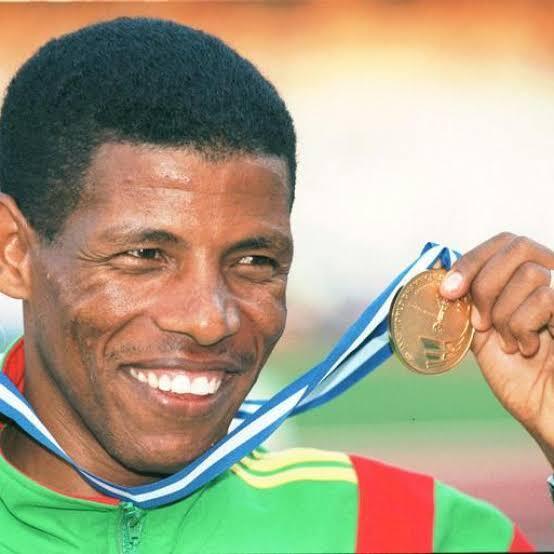
Before modern supershoes and tailored carbon plates, there was Haile Gebrselassie.
The Ethiopian legend set 27 official world records across distances ranging from the two-mile to the marathon. Gebrselassie took two Olympic 10,000m golds, won four consecutive World Championship titles on the track, and then moved to the road to win four straight Berlin Marathons, breaking the marathon world record twice (2:04:26 and 2:03:59).
His furious finishing kick and relentless work ethic laid the foundation for modern East African dominance across both track and asphalt, proving an elite runner could transition seamlessly across every major distance category.
5. Kenenisa Bekele: Peak Track and Road Versatility
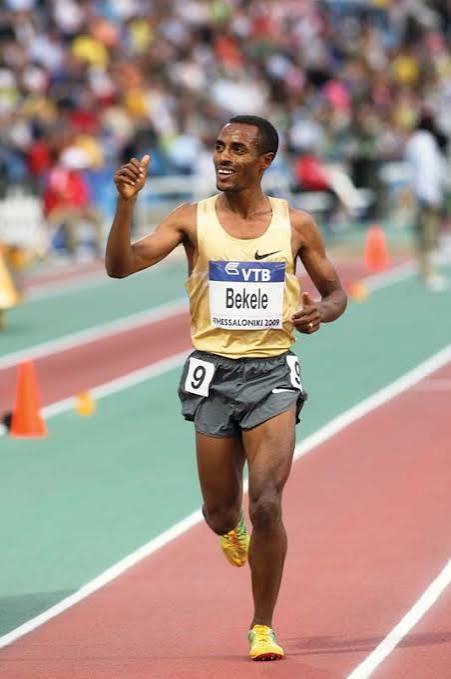
Kenenisa Bekele holds what is arguably the most dominant resume across dirt, tartan, and road in running history.
Bekele won an astonishing 11 World Cross Country Championship individual titles, conquered the 5,000m and 10,000m double at the 2008 Beijing Olympics, and held the 5,000m and 10,000m track world records for 16 and 15 years, respectively. When critics assumed his career was winding down, he stepped onto the roads and clocked a blistering 2:01:41 at the 2019 Berlin Marathon—at the time, just two seconds off the world record.
Bekele’s ability to win across muddy cross-country circuits, tactical Olympic track finals, and flat city marathons makes him one of the most complete runners ever to lace up racing flats.
Key Benchmarks Across Eras
| Athlete | Country | Primary Milestones | Enduring Impact |
| Usain Bolt | Jamaica | 100m (9.58s), 200m (19.19s) | Redefined the biomechanics and global appeal of sprinting |
| Eliud Kipchoge | Kenya | 2:01:09 official WR; two-time Olympic Gold | Proved sustained dominance and broke the sub-2 barrier unofficially |
| Kelvin Kiptum | Kenya | 2:00:35 official WR | Demonstrated that aggressive, fast pacing could shatter road records |
| Haile Gebrselassie | Ethiopia | 27 World Records; 2:03:59 marathon | The modern pioneer of track-to-road transitions |
| Kenenisa Bekele | Ethiopia | Multi-Olympic Gold; 2:01:41 marathon | Elite versatility across Cross Country, 5k/10k track, and marathons |
Common Questions
Who is officially the fastest human in history?
Usain Bolt holds the fastest recorded foot speed, hitting a peak velocity of 44.72 km/h (27.78 mph) between meters 60 and 80 during his 9.58-second run in 2009.
What is the current official men’s marathon world record?
The ratified men’s marathon world record is 2:00:35, set by Kenya’s Kelvin Kiptum at the Chicago Marathon on October 8, 2023. While Eliud Kipchoge ran 1:59:40 in 2019, it occurred under non-ratified conditions (rotational pacers and controlled drafting), meaning it does not count in the record books.
Why are Kenya and Ethiopia so dominant in distance running?
It comes down to a potent mix of high-altitude upbringing (which boosts red blood cell production and oxygen efficiency), favorable biomechanics, deeply rooted running cultures, and intense economic incentive that drives hundreds of young athletes to train together at grueling intensities daily.

