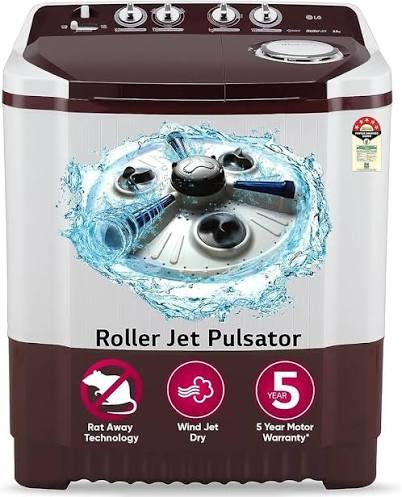
Top 5 washing machine brands in india
Buying a washing machine used to mean picking between a plastic semi-automatic tub and a basic top-loader. Today, navigating inverter motors, AI cycles, direct drive systems, and hard water filters can feel overwhelming.
The “best” washing machine depends entirely on your water supply, household size, and budget. Here is an honest breakdown of the top five brands in India, what each does best, and which one fits your home.
Top 5 Washing Machine Brands in India: At a Glance
| Brand | Best Known For | Best Pick For | Typical Price Tier |
| LG | Direct Drive motors, low noise, widespread service network | Buyers seeking long-term reliability and low maintenance | Mid to High |
| Samsung | Sleek design, AI Wash, EcoBubble technology | Smart-home setups and tech-focused buyers | Mid to High |
| IFB | Heavy-duty build, dedicated hard-water treatment | Homes with borewell water or tough stains | High |
| Whirlpool | Affordable top-loaders, practical built-in heaters | Budget-conscious families wanting basic automation | Budget to Mid |
| Bosch | German engineering, minimal fabric wear, high-speed spin | Buyers who want an authentic, heavy-duty front-loader | Premium |
1. LG: The Safest Overall Pick
LG remains the benchmark for reliability in India, largely due to its Inverter Direct Drive (DD) technology. By attaching the motor directly to the drum rather than using a belt, LG eliminates a frequent point of failure and drastically reduces vibration during high-speed spin cycles.
-
Strengths: Among the quietest motors available; outstanding after-sales service network even in Tier-2 and Tier-3 cities.
-
Standout Tech: 6 Motion DD (mimics hand-washing motions), Steam+ for allergen removal, and ThinQ Wi-Fi diagnostics.
-
Where It Falls Short: Top-loader wash quality is average compared to their front-load lineup.
-
Verdict: The safest default choice if you want an appliance that will quietly run for 8–10 years without headaches.
2. Samsung: Best for Smart Features and Modern Design
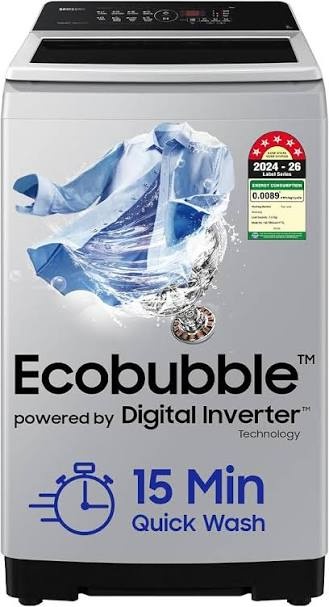
Samsung excels at usability, interface design, and intelligent features. If you prefer running cycles from your phone or want a machine that automatically adjusts water and detergent levels, Samsung leads this segment.
-
Strengths: EcoBubble technology turns detergent into micro-bubbles that penetrate fabrics faster in cold water, cutting power usage without hurting stain removal.
-
Standout Tech: AI Wash (sensors calculate dirt levels and fabric weight), Digital Inverter Motor (efficient and low vibration), and SmartThings integration.
-
Where It Falls Short: Higher-end electronics and display panels can be expensive to service out of warranty.
-
Verdict: Ideal for modern apartments, tech enthusiasts, and anyone already using the Samsung SmartThings ecosystem.
3. IFB: Best for Hard Water and Tough Fabrics
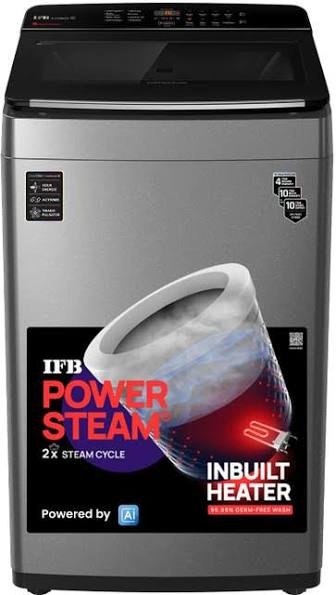
Originally partnering with Bosch in its early years, IFB has engineered its washers specifically around Indian realities: irregular municipal water pressure, muddy monsoon clothes, and mineral-heavy borewell supply.
-
Strengths: Built like a tank. Heavily weighted drums resist wobbling even during unbalanced heavy loads like blankets or curtains.
-
Standout Tech: Aqua Energie, an internal filter that breaks down calcium bicarbonates in hard water, allowing detergent to dissolve fully rather than leaving white crust on fabrics.
-
Where It Falls Short: Wash cycles tend to be longer than competitors; software and mobile app interfaces can feel clunky.
-
Verdict: The top pick if you rely on tanker or borewell water, or regularly wash heavy bed linen.
4. Whirlpool: Best Value for Everyday Families

Whirlpool focuses on practical utilities rather than complex smart gimmicks. They dominate the value segment by bringing premium features—like built-in water heaters and stain-removal cycles—down to accessible price points.
-
Strengths: Highly competitive pricing on fully automatic top-loaders; intuitive button layouts that elders can operate easily.
-
Standout Tech: 360 BloomWash, 6th Sense Stainwash (uses varying water temperatures to tackle tough grease and dirt), and FreshCare+ tumbling.
-
Where It Falls Short: Front-load lineup lacks the refined engineering of Bosch or LG; higher plastic use in entry models.
-
Verdict: Best for value-driven buyers who want an affordable, dependable top-load workhorse for daily family laundry.
5. Bosch: The Gold Standard for Front-Load Wash Quality
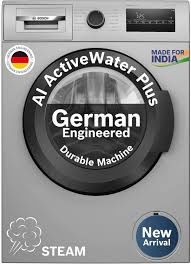
Bosch rarely competes in the budget segment. Instead, they focus almost exclusively on high-performance front loaders that treat clothes gently while delivering exceptional cleaning.
-
Strengths: Industrial-grade build quality, stainless steel drums with anti-vibration side panels, and excellent spin speeds (1200–1400 RPM) that cut drying times significantly.
-
Standout Tech: VarioDrum (protects delicate threads during aggressive cycles), ActiveWater Plus (pressure sensors calculate exact water volume needed).
-
Where It Falls Short: Replacement parts can be pricey; technician networks in smaller towns are not as dense as LG or Samsung.
-
Verdict: The best choice for front-load purists who care about fabric preservation and premium German engineering.
How to Choose: Key Buying Checks
Capacity Guide:
-
6.5 to 7 kg: 1–2 people (bachelors or couples).
-
7.5 to 8 kg: 3–4 people (standard Indian family; handles one double bedsheet comfortably).
-
8.5 to 10 kg+: 5+ people or homes washing heavy dhotis, blankets, and curtains weekly.
Front Load vs. Top Load:
-
Choose Front Load if: You want superior stain removal, lower water and power consumption, and better fabric longevity. They require bending down and carry a higher upfront cost.
-
Choose Top Load if: You have back issues, prefer ergonomic top-loading, want shorter cycle times, or have a tighter budget.
Key Features Worth Paying For:
-
Inverter Motor: Skips the wear-and-tear of mechanical belts, saves electricity, and cuts noise down to a hum.
-
Built-in Heater: Hot water (40°C to 60°C) is essential to sanitize toddler clothes and dissolve heavy grease and oil stains.
-
Hard Water Treatment: If your TDS is above 300–400 ppm, pick a machine with a built-in descaling or softening filter (like IFB), or budget for an external inline filter.