Top 10 biotin-rich foods for healthy hair: natural foods to support hair growth
If you’ve ever found yourself staring into the bathroom mirror wondering why some people get thick, shiny strands while you’re pulling clumps of hair out of the drain, you’re definitely not alone.
Genetics, hormones, stress, and styling habits all pull the strings here. But your everyday diet carries way more weight than most people give it credit for.
Whenever hair health comes up, the first thing people usually mention is biotin (vitamin B7). It’s in every hair gummy, shampoo, and influencer ad on your feed. But here’s the thing: you don’t need an overpriced supplement to get it. Real, whole foods will do the heavy lifting for a fraction of the cost, while also delivering the protein, zinc, and healthy fats your hair actually needs to grow.
Let’s skip the marketing hype and look at the best biotin-rich foods you can easily weave into your meals.
What Does Biotin Actually Do for Hair?
Hair is essentially built out of a tough protein called keratin. Biotin acts as a helper molecule (a coenzyme) that helps your body convert fats, carbs, and proteins into energy and building blocks—processes your hair follicles rely on to produce healthy strands.
A genuine biotin deficiency will cause thinning hair, brittle nails, and irritated skin. But true deficiencies are actually rare if you’re eating balanced meals.
If your biotin levels are already normal, mega-dosing supplements won’t suddenly give you an extra inch of hair overnight. The real secret is just keeping your baseline steady through solid food choices.
10 Everyday Foods Packed with Biotin
1. Eggs
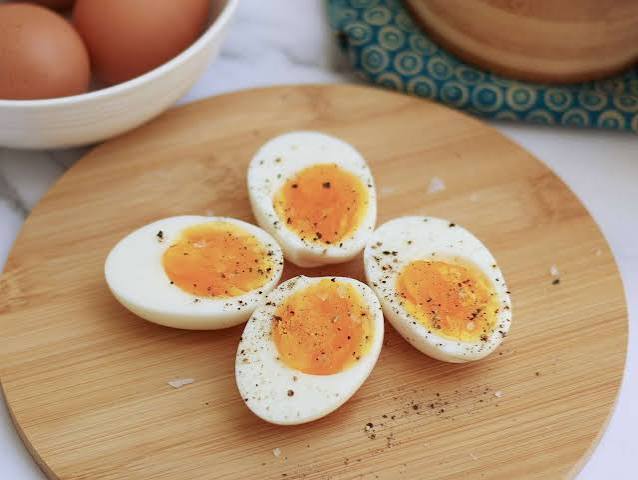
Eggs are hands down the easiest, most reliable hair food.
-
Why they work: The yolk is packed with biotin, while the white delivers pure, high-quality protein to support keratin production. You also get a solid dose of B12 and selenium.
-
How to eat them: Scrambled, hard-boiled, or tossed into an egg curry.
-
Quick rule of thumb: Make sure the whites are cooked. Raw egg whites contain a protein called avidin that binds to biotin and blocks your body from absorbing it. Cooking neutralizes it completely.
2. Nuts and Seeds
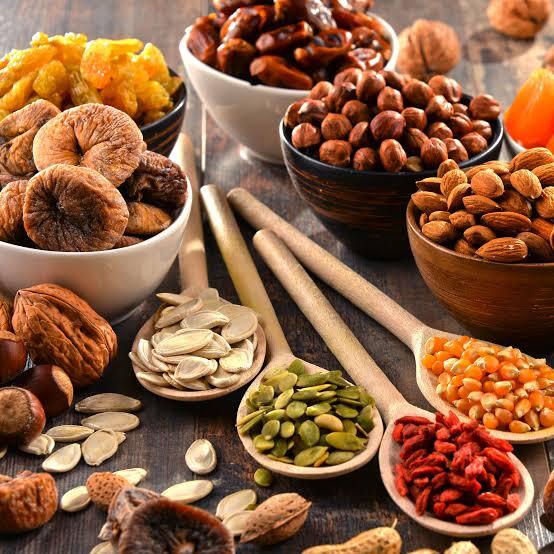
A handful of nuts is the lowest-effort way to get healthy fats and micronutrients onto your plate.
-
Why they work: Peanuts, sunflower seeds, almonds, and walnuts are all great sources of biotin. They also bring vitamin E and zinc to the table, helping protect your scalp and follicles from cellular stress.
-
How to eat them: Grab a handful of roasted peanuts as an afternoon snack, or sprinkle sunflower seeds and flaxseeds over oatmeal or salads.
3. Sweet Potatoes

Sweet potatoes are an underrated hair staple.
-
Why they work: Beyond containing biotin, they’re loaded with beta-carotene, which your body turns into vitamin A. Vitamin A is crucial for cellular turnover and helps your scalp produce the natural oils that keep hair from drying out.
-
How to eat them: Steam or roast them with a pinch of salt and a squeeze of fresh lemon juice.
4. Fatty Fish (Salmon, Mackerel, Sardines)
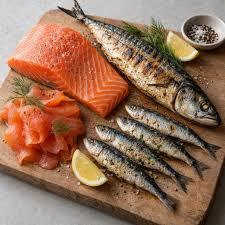
If you eat seafood, oily fish should be a regular staple on your grocery list.
-
Why they work: A serving of salmon gives you biotin, clean protein, and an abundance of omega-3 fatty acids. Omega-3s nourish hair follicles and help reduce the low-grade inflammation that can mess with normal growth cycles.
-
How to eat them: Grill or pan-sear fillets for dinner, or make a quick fish curry using locally available fatty fish like mackerel or sardines.
5. Liver (Organ Meats)
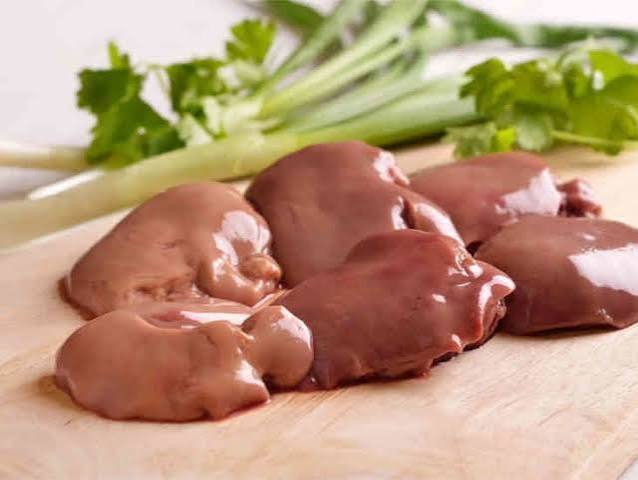
It’s definitely not for everyone, but nutritionally, liver is a powerhouse.
-
Why it works: Beef or chicken liver contains some of the highest natural concentrations of biotin you can eat. It’s also loaded with bioavailable iron—and low iron is one of the most common hidden culprits behind sudden hair shedding.
-
How to eat it: A small portion of sautéed chicken liver or spiced liver fry once in a while goes a long way.
-
Note: Because liver is extremely high in preformed vitamin A, anyone who is pregnant should skip it.
6. Legumes (Lentils, Chickpeas, Beans)
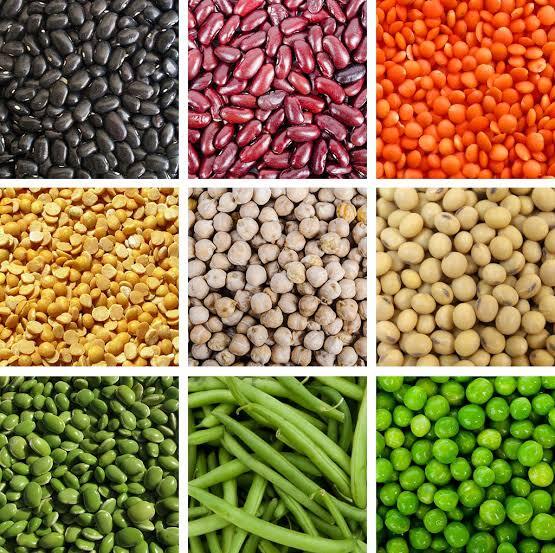
Plant-based eaters don’t need to stress about getting enough biotin.
-
Why they work: Lentils, chickpeas, black beans, and edamame pack steady amounts of biotin alongside plant-based protein, iron, and folate.
-
How to eat them: A classic bowl of dal with rice, roasted spiced chickpeas, or a rich rajma over whole grains.
7. Avocados
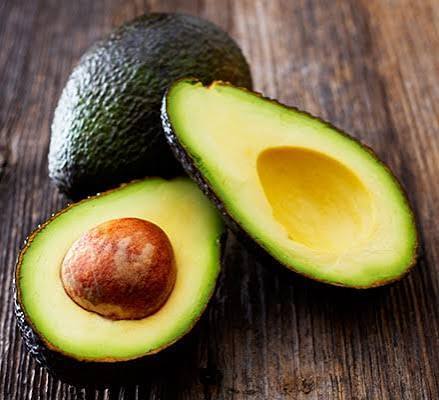
Avocados do double duty for your hair and your skin.
-
Why they work: They offer a decent hit of biotin along with monounsaturated fats and vitamin E. These healthy fats help your body absorb fat-soluble vitamins from the other veggies on your plate.
-
How to eat them: Sliced on whole-grain toast, mashed into guacamole, or blended into a smoothie for extra creaminess. (If avocados are hard to source or too pricey near you, raw seeds and nuts give you a very similar nutritional profile.)
8. Mushrooms
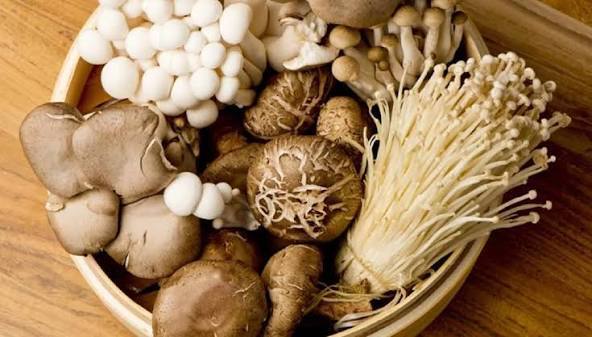
Simple, versatile, and easy to toss into almost anything.
-
Why they work: Many edible mushrooms (like button, shiitake, or cremini) contain small, natural amounts of biotin along with dietary fiber and antioxidants.
-
How to eat them: Sauté them with garlic and herbs, throw them into morning omelettes, or simmer them in a rich vegetable curry.
9. Spinach and Leafy Greens
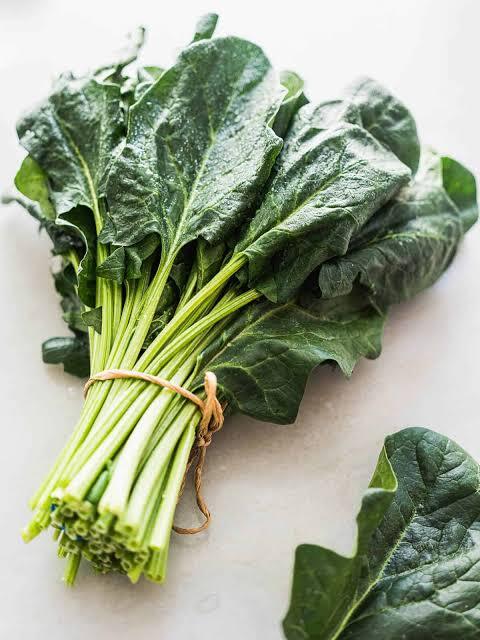
Dark leafy greens are essential when you’re trying to optimize your nutrient intake.
-
Why they work: While spinach contains modest amounts of biotin, it really shines because of its iron, folate, and vitamin C content. Vitamin C improves how well your body absorbs non-heme iron from plant foods, ensuring your follicles get sufficient oxygen delivery.
-
How to eat them: Wilt spinach into hot dal, blend a handful into a morning shake, or toss it into stir-fries with a splash of citrus.
10. Dairy (Milk, Paneer, Yogurt)
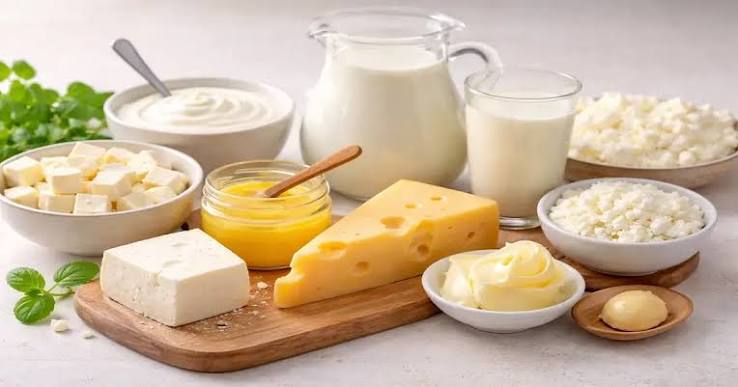
If your digestive system tolerates dairy, it’s a remarkably convenient source of nutrients.
-
Why they work: Milk, paneer, and yogurt supply biotin alongside complete protein and calcium. Fermented options like plain curd or Greek yogurt also support gut health, which helps your body absorb the nutrients you eat.
-
How to eat them: A bowl of fresh curd alongside lunch, or plain Greek yogurt topped with a few walnuts and a drizzle of honey.
How Much Biotin Do You Actually Need?
The standard daily recommendation (Adequate Intake) for adults sits around 30 micrograms (mcg) per day.
You don’t need to track micrograms on an app. If you eat two eggs and a handful of nuts, or a bowl of lentils with leafy greens and yogurt, you’ve likely met your daily requirement without thinking twice about it.
What a Realistic Hair-Friendly Day of Eating Looks Like
Putting this into practice doesn’t require an elaborate meal plan. Here’s a simple template:
| Meal | Idea |
| Breakfast | Two scrambled or boiled eggs with whole-grain toast, or oats cooked in milk topped with walnuts and fruit. |
| Mid-Morning | A small handful of roasted peanuts or sunflower seeds. |
| Lunch | A warm bowl of dal or chickpea curry, a side of sautéed greens, brown rice or chapati, and a scoop of plain yogurt. |
| Afternoon Snack | A small bowl of steamed sweet potato with salt and lime. |
| Dinner | Grilled fish, tofu, or paneer served with mixed vegetables and mushrooms. |
Biotin Isn’t the Only Player
Hair growth is a team sport. Focusing exclusively on biotin while ignoring the rest of your diet won’t get you far. Make sure you’re also keeping tabs on:
-
Protein: Your strands are physically made of it. Skimping on protein forces your body to ration resources, which often means shutting down non-essential processes like hair growth.
-
Iron: Low ferritin (stored iron) is a massive contributor to diffuse shedding, particularly in women.
-
Zinc: Crucial for tissue growth and keeping the oil glands around your follicles working properly.
-
Vitamin D: Low levels have been repeatedly linked to various forms of hair loss, including telogen effluvium.
The Reality Check on Hair Fall and Supplements
Can eating better reduce hair fall? Absolutely—if your hair loss is being driven by a poor diet or a specific nutritional gap.
However, food can’t fix everything. If your hair thinning is caused by an underlying thyroid issue, androgenic alopecia (genetic male/female pattern baldness), acute emotional shock, or postpartum hormonal shifts, an extra handful of nuts isn’t going to turn things around.
A warning on mega-dose biotin pills: The supplements sold in stores often contain 5,000 to 10,000 mcg—hundreds of times your daily need. Not only does your body just flush the excess out in your urine, but high doses can also dangerously distort common blood tests, particularly thyroid panels and cardiac markers.
Stick to real, nutrient-dense food first. If you’re noticing sudden shedding, widening parts, or distinct bald patches, skip the supplement aisle and visit a board-certified dermatologist. Finding out the actual “why” will save you months of frustration.