Top 5 cricket bat brands in india
Walk into any local sports store across India on a Saturday morning, and you’ll see the exact same scene: someone tapping a bat against the floor, checking the pickup, squinting down the edge to count grains, and wondering if they really need to spend half their paycheck on Grade 1 English willow.
Choosing a cricket bat is deeply personal. A sticker doesn’t score runs—the right balance in your hands does.
Whether you’re playing weekend tennis-ball tournaments on concrete, grinding it out in club nets with a red leather ball, or just getting started, here is a straight-talking breakdown of the top 5 cricket bat brands in India and how to pick the right one for your game.
The Big 5: Which Brand Fits Your Style?
1. SS (Sareen Sports) — The Power-Hitter’s Go-To
If your game relies on clearing the ropes, punchy drives, and modern profiles with meaty edges, SS is usually the first name called. Established in 1969, the Meerut-based manufacturer dominates local and domestic cricket for good reason: they know how to build a bat with an massive sweet spot without making it feel like an anvil.
-
Flagship lines: Ton Reserve Edition, Ton Gladiator, Ton Gold.
-
The feel: Modern, thick profiles, mid-to-low sweet spots, and aggressive shapes.
-
Best for: Aggressive top-order batters, hard hitters, and players who want serious ping for front-foot stroke play.
2. SG (Sanspareils Greenlands) — The Dependable Classic
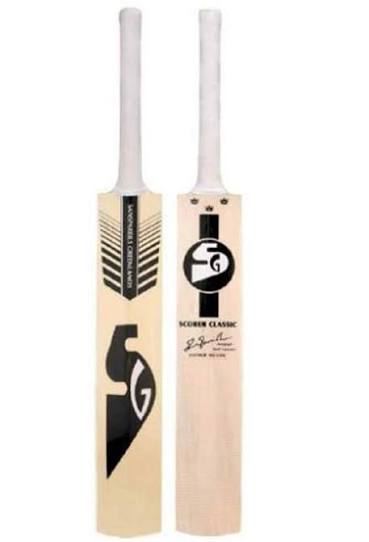
SG has been around since 1931, making it virtually synonymous with Indian domestic cricket. Where SS leans modern and aggressive, SG often appeals to players who value traditional shapes, reliable balance, and bulletproof construction across all price points.
-
Flagship lines: Sunny Tonny, King Cobra, RSD Prolite.
-
The feel: Classic profiles, extended sweet spots, and dependable durability.
-
Best for: Technique-first batters, all-rounders, academy trainees, and anyone looking for a reliable leather-ball bat that won’t let them down.
3. MRF — Aspirational Profiles & Crisp Strokeplay

Let’s be honest: half the appeal of an MRF bat is walking out looking like Sachin Tendulkar or Virat Kohli. But brand romance aside, MRF’s higher-end bats are genuinely exceptional pieces of willow. They focus on balance and bat speed rather than sheer brute bulk.
-
Flagship lines: Genius Grand Edition, Chase Master, Wizard.
-
The feel: Exceptionally smooth pickup, mid-profile sweet spots, and quick hand speed through the ball.
-
Best for: Stroke makers who rely on timing, placement, and wristy bottom-hand whip rather than raw power.
4. Kookaburra — The Pick of Choice for Back-Foot Play
Hailing from Australia, Kookaburra brings a completely different profile compared to traditional Indian bats. They specialize in modern lightweight designs with clean, feather-light pickups, making them deadly for fast bowling and bouncy tracks.
-
Flagship lines: Kahuna, Ghost, Beast.
-
The feel: Flatter faces, higher-to-mid sweet spots, and very light pickups relative to their actual scale weight.
-
Best for: Batters who like pulling, cutting, and playing on the up, or anyone who wants quick bat speed against genuine pace.
5. Gray-Nicolls — Pure Craftsmanship for the Purist

Gray-Nicolls is the veteran English brand for the traditionalist. You don’t buy a Gray-Nicolls for loud stickers; you buy it for elite willow pressing, incredible grain structure, and a balance that feels completely natural the moment you lift it.
-
Flagship lines: Legend, Classic, Supernova.
-
The feel: Superb spine-to-edge distribution, mid sweet spot, and unmatched balance.
-
Best for: Serious club cricketers, top-order anchors, and purists willing to invest in premium English willow.
Quick Brand Comparison
| Brand | Sweet Spot Profile | Pickup & Balance | Best Suited For |
| SS | Mid-to-low, thick edges | Slightly bottom-heavy to neutral | Front-foot boundary hitters |
| SG | Mid-profile, traditional shape | Even, solid in hand | All-round classical stroke makers |
| MRF | Mid-profile | Very light, dynamic | Fast hands, timing, and shot-placement |
| Kookaburra | Mid-to-high | Feather-light bat flow | Back-foot play, cuts, and pulls |
| Gray-Nicolls | Full spine, traditional mid | Exceptionally well-balanced | Purists, long innings, and club cricketers |
The Reality Check: What Actually Matters When Buying?
Forget the marketing jargon for a minute. When you’re testing a bat in a shop or picking specs online, run through these four rules:
-
Pickup Beats Stated Weight Every Time
Two bats can both weigh 1,180 grams on a digital scale. One might feel like a sledgehammer because the weight sits in the toe; the other will feel weightless because the weight is concentrated closer to the hands. Never judge a bat strictly by the number on the scale—judge it by how fast you can pick it up from your stance.
-
English Willow vs. Kashmir Willow
-
Kashmir Willow: Great for hard tennis-ball matches, beginners, and casual turf matches. It is tougher, denser, and far more affordable, but it doesn’t give you the same ping off a genuine leather ball.
-
English Willow: Necessary if you’re playing serious leather-ball cricket. It’s softer, more responsive, and pops off the face, but it requires knocking-in, oiling, and careful maintenance.
-
-
Match the Sweet Spot to Where You Score
-
If you score most of your runs driving off the front foot on low-bouncing subcontinental decks: look for a mid-to-low sweet spot (common in SS and SG).
-
If you prefer cuts, pulls, and back-foot punches: opt for a mid-to-high sweet spot (classic Kookaburra or Gray-Nicolls).
-
-
Don’t Overpay for Grains
Eight perfectly straight grains look gorgeous on Instagram, but grain count is mostly cosmetic. A 5-grain bat that is pressed properly will out-ping an 11-grain display piece that feels dead off the middle. Look for straight wood, avoid knotty clusters on the sweet spot, and focus on the punch.
Common Questions
Is SS better than SG?
Neither is objectively better. SS generally has thicker edges and a lower sweet spot tailored for boundary hitters, while SG leans toward classic balance, traditional profiles, and solid all-round durability.
Which bat should I get for tennis-ball cricket?
Grab a Kashmir willow bat from SS or SG, or a brand-specific lightweight tennis-ball scoop bat. Don’t waste money using a high-grade English willow bat on heavy tennis balls—it will hollow out the sweet spot and eventually break the toe.
How much do I need to spend for club cricket?
You don’t need a ₹40,000 international-spec bat. A reliable Grade 3 or Grade 2 English willow bat from SS or SG (typically between ₹8,000 and ₹16,000) provides more than enough performance for serious league cricket.
What kind of cricket do you play most often—leather ball or tennis ball—and what’s your typical batting style?