Top 5 football brands in india
The Indian football scene has completely transformed. It used to be just dusty school fields and neighborhood mud patches; now there’s a floodlit 5-a-side turf popping up in almost every corner, packed with weekend warriors, academy kids, and local league players.
With that boom comes a question every player eventually asks: Which football should I actually buy?
Walk into a Decathlon or scroll through Amazon, and the options can feel overwhelming. Dropping ₹3,000 on a match ball makes zero sense if you’re kicking it around on a rough gravel ground where it will tear in three weeks. At the same time, a cheap ₹400 rubber ball will sting your foot and fly like a balloon on a turf match.
To help cut through the marketing noise, here is an honest breakdown of the top 5 football brands in India, who they’re best for, and how to pick the right one for your style of play.
1. Nivia: The Unrivaled King of Indian Pitches
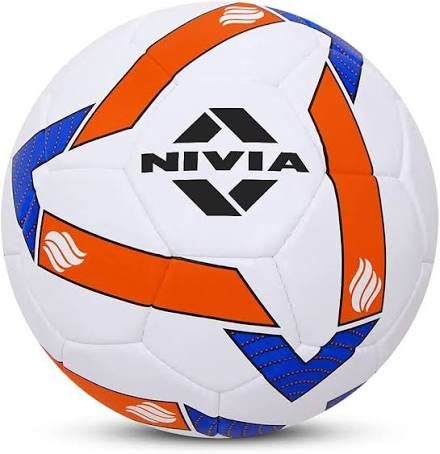
If you have ever played football in India, you have kicked a Nivia ball. Period. They are the backbone of local Indian football, from school sports days to official leagues.
-
Why it works: Value for money that global giants can’t touch. Nivia designs balls specifically for Indian playing conditions—meaning they can take an absolute beating on uneven mud grounds, hard soil, and abrasive artificial turfs without losing shape immediately. Models like the Nivia Trainer, Ashtang, or Shining Star are legendary for a reason.
-
The drawback: Their cheaper models can feel a bit hard or heavy straight out of the box compared to premium international balls.
-
Best for: Daily training, school/college players, turf matches, and anyone who wants solid durability without burning a hole in their pocket.
2. Adidas: The Gold Standard for Serious Ballers
Adidas basically owns the DNA of competitive tournament football. If you watch the Champions League or the World Cup, you know their pedigree.
-
Why it works: Consistency and feel. An Adidas ball delivers a predictable bounce, clean flight physics, and a soft, responsive touch off the boot. If you are practicing curling shots, driven passes, or working on dead-ball technique, the aerodynamic panels and outer texture make a noticeable difference.
-
The drawback: They are pricey, and their budget/replica lines (the ₹1,200 to ₹1,800 range) sometimes sacrifice longevity if used on harsh, gravelly surfaces.
-
Best for: Academy players, competitive 11-a-side footballers, and anyone training on proper grass or well-maintained turf grounds.
3. Nike: High-Tech Flight and Elite Touch
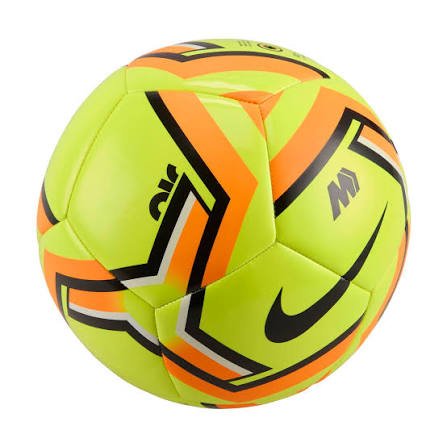
Nike is the brand of choice for modern, fast-paced street and pitch ballers. Their footballs carry that sleek, aggressive design, but backing up the aesthetics is serious engineering.
-
Why it works: Aerodynamics. Nike puts massive research into surface grooving (like their Aerowsculpt tech), which keeps the ball stable in the air rather than knuckleballing unpredictably when struck cleanly. The outer casing on their mid-to-high-end balls offers great grip in both wet and dry conditions.
-
The drawback: You’re paying a premium for the Swoosh. For casual weekend games, buying a mid-range Nike ball can feel like overkill.
-
Best for: Strikers, wingers, and players who prioritize first touch, striking control, and a lightweight, responsive feel.
4. Puma: The Perfect Middle Ground
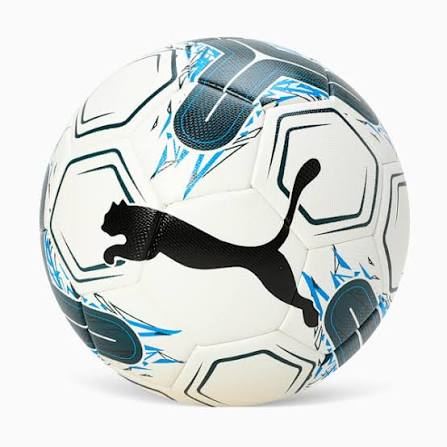
Puma has made massive moves in global football recently, outfitting top European leagues and signing massive names. In India, their gear has found a very comfortable sweet spot.
-
Why it works: Versatility. Puma balls tend to sit right between the tank-like durability of domestic brands and the high-end refinement of Adidas or Nike. Their multi-panel training balls handle turf friction surprisingly well, while still retaining a cushioned feel off the instep.
-
The drawback: Their entry-level rubber balls are forgettable—stick to their stitched or thermo-bonded training/match series to get your money’s worth.
-
Best for: Regular turf enthusiasts, club-level training, and players who want international brand quality without crossing into eye-watering price tags.
5. Cosco: Reliable, Hard-Wearing, and Budget-Friendly
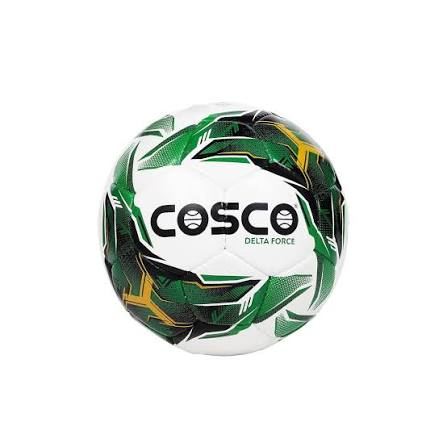
Cosco is the other household Indian brand that has been kicking around forever. While they don’t dominate the high-end professional market, they dominate grass-roots practicality.
-
Why it works: Pure durability. Cosco rubber-molded and stitched balls are built to survive surfaces that would rip high-end synthetic balls to shreds—concrete, hard red dirt, street setups, and schoolyards. Plus, they hold air well and cost very little to replace.
-
The drawback: They lack the soft touch, predictable dip, and grip required for serious competitive or tournament play.
-
Best for: Beginners, kids just starting to learn the sport, casual street/park football, and schools on a strict budget.
Quick Brand Comparison
| Brand | Price Tier | Best Use Case | Standout Strength |
| Nivia | Budget – Mid | Daily training & turf | Superb durability & value |
| Adidas | Premium | Competitive & match play | Aerodynamics & true flight |
| Nike | Premium | Serious skill work & matches | Elite first-touch & grip |
| Puma | Mid – Premium | Regular turf & club play | Balanced feel & modern build |
| Cosco | Budget | Rough grounds & beginners | Tough build & low replacement cost |
How to Pick the Right Ball (Before You Waste Money)
Before clicking “Buy Now”, keep these four things in mind:
-
Pick the Right Size:
-
Size 5 is the universal standard for ages 12 and up (including adults).
-
Size 4 is built for kids aged 8 to 11.
-
Size 3 is for young kids under 8. Never give a heavy Size 5 ball to an 8-year-old; it ruins their kicking form and can hurt their joints.
-
-
Match the Ball to Your Pitch:
-
Rough dirt or concrete? Stick with durable rubber-molded balls or budget stitched balls from Nivia or Cosco.
-
Artificial Turf? Look for abrasion-resistant TPU or PU casings. Soft match balls will get scuffed up fast on rubber infill.
-
Natural Grass? Go for polyurethane (PU) or thermo-bonded options from Adidas, Nike, or high-tier Nivia.
-
-
Check the Casing (PU vs. PVC):
-
PU (Polyurethane): Soft, responsive, professional feel, but wears down faster on rough surfaces.
-
PVC: Harder, glossier, and cheaper, but lasts much longer on abrasive grounds.
-
-
Stitching vs. Thermo-Bonded:
-
Machine-stitched: Cheap, fine for casual kickabouts, but absorbs water on rainy days.
-
Hand-stitched: Very durable, standard for serious training balls.
-
Thermo-bonded (seamless): Found on match balls. Zero water absorption, perfect roundness, but high price.
-
Which One Should You Buy?
If you want a reliable everyday workhorse that handles local grounds and turf without breaking the bank, buy a Nivia.
If you are training at an academy, playing in weekend leagues, or just love the feel of a clean, responsive strike on good turf or grass, go with Adidas or Nike.
Buy for where you actually play, not what looks best on a poster—your feet and your wallet will thank you.