Top 5 pilgrimage sites in kerala
Kerala is world-famous for its backwaters, tea estates, and palm-fringed coastlines, but its spiritual landscape runs just as deep. Dotted across ancient forests, coastal towns, and bustling heritage districts, Kerala’s temples are living centers of ritual, unique Dravidian-Kerala architecture, and centuries of tradition.
If you are planning a spiritual journey through the state, these five sacred destinations are essential stops.
The 5 Essential Pilgrimage Sites
1. Sabarimala Sree Dharma Sastha Temple, Pathanamthitta
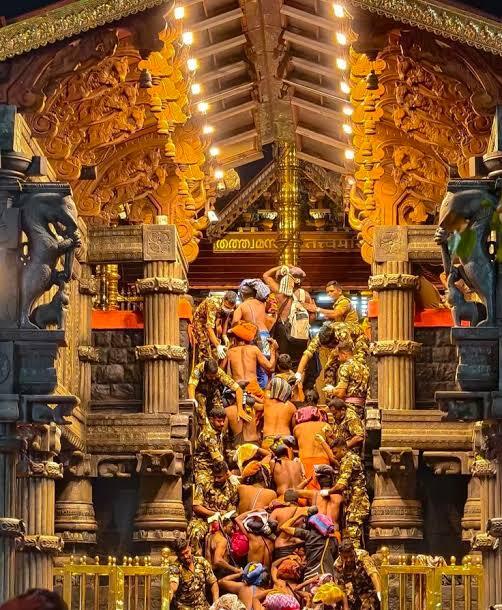
Set high in the rugged forests of the Western Ghats (roughly 3,000 feet above sea level), Sabarimala is dedicated to Lord Ayyappa. Unlike most temple visits, reaching Sabarimala is defined by rigorous personal discipline: pilgrims traditionally observe a strict 41-day Vrutham (a period of fasting and austerity) before embarking on the trek through the forest from Pamba or Erumeli.
-
Deity: Lord Ayyappa (Dharma Sastha)
-
Highlight: The annual Mandala–Makaravilakku season (November to January) and the unique tradition of communal harmony symbolized by the shrine of Vavar Nada.
-
Best for: Devotional austerity, forest trekking, and traditional pilgrim routes.
2. Guruvayur Sri Krishna Temple, Thrissur

Often called the “Dwaraka of the South,” Guruvayur is Kerala’s most visited Krishna shrine. The entire town breathes temple life—scented with sandalwood, camphor, and fresh tulsi garlands. It serves as an emotional and cultural anchor for families across South India for weddings, first-rice-feeding ceremonies (Choroonu), and daily darshan.
-
Deity: Lord Krishna (Guruvayurappan)
-
Highlight: The strictly preserved traditional rituals, classical temple arts, and nearby attractions like Mammiyoor Temple and Punnathur Kotta elephant sanctuary.
-
Best for: Families, Krishna devotees, and traditional cultural immersions.
3. Sree Padmanabhaswamy Temple, Thiruvananthapuram
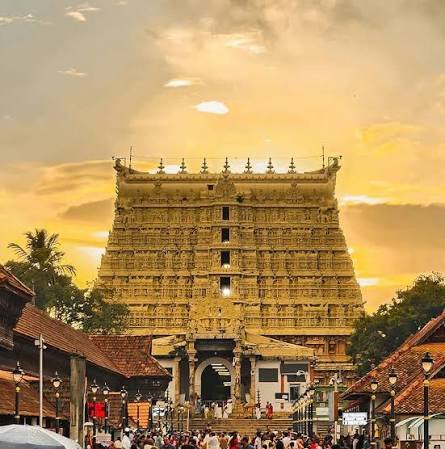
Located in the heart of the state capital, this monumental shrine is one of the 108 Divya Desams dedicated to Lord Vishnu. The deity is worshipped in the Ananthasayanam posture (reclining on the serpent Adishesha), viewed through three separate doors. Beyond its global renown for historic underground vaults, the temple represents an extraordinary fusion of Chera and Dravidian stone architecture.
-
Deity: Lord Vishnu (Padmanabha)
-
Highlight: The 16th-century towering granite gopuram, detailed stone pillared corridors (Ottakkal Mandapam), and its heritage tied to the Travancore Royal Family.
-
Best for: Architecture lovers, history buffs, and Vaishnavite pilgrims.
4. Ambalapuzha Sree Krishna Temple, Alappuzha

A gentle, quiet counterpart to Guruvayur, Ambalapuzha sits just 14 km outside Alappuzha’s backwater network. Built in traditional Kerala gable-roof style, it offers an unhurried, serene atmosphere. Historically, the idol of Guruvayur was sheltered here during the 18th century for safekeeping.
-
Deity: Parthasarathy (Lord Krishna as charioteer)
-
Highlight: The daily offering of Ambalapuzha Palpayasam—a legendary, slow-simmered sweet milk-and-rice pudding.
-
Best for: Devotees wanting an uncrowded atmosphere that pairs naturally with an Alleppey houseboat stay.
5. Ettumanoor Mahadeva Temple, Kottayam

One of Kerala’s most revered Shiva temples, Ettumanoor is a masterpiece of indigenous craftsmanship. The circular sanctum (Sreekovil) and surrounding walls feature ancient murals depicting scenes from the Ramayana and Mahabharata, alongside intricate 16th-century woodcarvings.
-
Deity: Lord Shiva
-
Highlight: The annual festival featuring the Ezhara Ponnana—seven large and one miniature solid-gold elephant statues brought out in ceremonial procession.
-
Best for: Shaivite pilgrims, art historians, and heritage travelers exploring central Kerala.
Suggested Travel Circuits
Kerala looks narrow on a map, but narrow two-lane roads and heavy local traffic make long-distance transit slow. Grouping your stops saves hours of road time:
| Route | Recommended Stops | Best Suited For |
| Central Circuit | Kochi → Guruvayur → Ambalapuzha → Kottayam (Ettumanoor & Vaikom) | 3–4 day relaxed cultural and backwater loop |
| Southern Circuit | Thiruvananthapuram (Padmanabhaswamy & Attukal) → Pathanamthitta (Sabarimala) | Pilgrims completing dedicated vows and southern heritage |
| Extended State Tour | Trivandrum → Ambalapuzha → Kottayam → Guruvayur → Thirunelly (Wayanad) | Comprehensive 7–10 day north-to-south spiritual itinerary |
Practical Travel Tips
-
Strict Dress Codes: Kerala temples enforce traditional attire. Men are generally required to remove their shirts and wear a clean mundu (dhoti); women typically wear saris, set-mundu, or traditional long skirts (salwar kameez is permitted in some, but shorts/western wear are strictly barred).
-
Entry Regulations: Non-Hindus are restricted from entering the inner precincts of certain orthodox shrines (such as Guruvayur and Padmanabhaswamy), though outer courtyards and surrounding areas are accessible. Check specific temple guidelines beforehand.
-
Timing & Seasons: October to March offers the most comfortable weather. Keep in mind that Sabarimala is not open year-round; it opens primarily for the Mandala-Makaravilakku season and the first five days of every Malayalam month