Top 5 sweing machine brands in india
Shopping for a sewing machine in India gets overwhelming fast. You start out wanting something simple to fix torn seams or hem trousers, and ten minutes later you’re drowning in spec sheets comparing 100-stitch computerized rigs against old-school cast-iron straight-stitchers.
The reality? You don’t need the most expensive machine; you need the one that fits your projects, your patience level, and your local repair shop’s spare parts bin.
| Brand | Best For | Typical Price Tier | What They Do Best |
| Usha | Beginners, daily home tailoring | Budget to Mid | Massive service network, dirt-cheap parts, familiar designs |
| Singer | Regular alteration, heavier fabrics | Budget to Mid | Sturdy builds, reliable Heavy Duty domestic lineup |
| Brother | Hobbyists, modern sewists, embroidery | Mid to High | Smooth computerized controls, modern tech, drop-in bobbins |
| Janome | Upgraders, quilters, garment makers | Mid to High | Precision stitch quality, durable Japanese engineering |
| Bernina | Boutique owners, serious designers | Premium / Luxury | Swiss-engineered workhorses built for daily, heavy abuse |
1. Usha: The Household Default
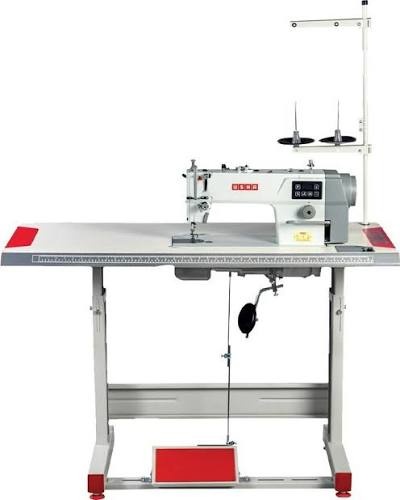
If you grew up in India, chances are your grandmother or mother had a black cast-iron Usha machine on a treadle table. Today, Usha still dominates the domestic market, from basic straight-stitch workhorses like the Tailor DLX to portable electric zigzag models like the Janome-collaborated Dream Stitch and Allure.
-
The good: You will never struggle to find a repair person or a spare bobbin, even in small towns. They are forgiving, easy to thread, and affordable.
-
The catch: Build quality on entry-level plastic-body electrics can feel lightweight compared to the brand’s vintage tanks.
-
Who it’s for: Beginners on a budget and anyone who just needs to mend school uniforms, stitch blouses, or hem curtains without a steep learning curve.
2. Singer: The Heavy-Duty Contender

Singer invented modern home sewing, and their footprint in India is massive. While they offer standard mechanical models, their sweet spot is domestic machines that handle denser fabrics without bogging down.
-
The good: Models in their Heavy Duty series (like the 4423 or 4432) have faster motors and stronger needle piercing power than typical home machines, making them solid for denim, canvas, or layered cottons.
-
The catch: “Heavy Duty” domestic still isn’t an industrial machine. Run it 8 hours straight on leather upholstery, and you will kill the motor.
-
Who it’s for: Home tailors, DIYers who work with stubborn fabrics, and anyone who wants simple dials instead of LCD screens.
3. Brother: For Features and Tech Lovers
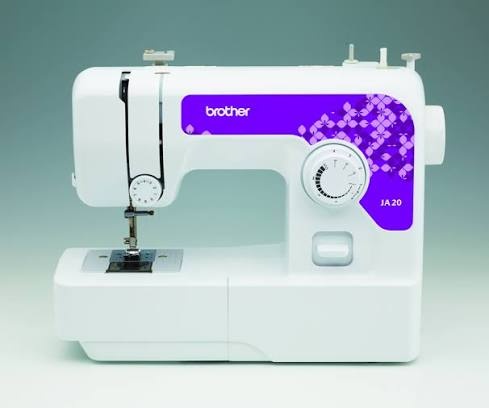
Brother is the brand to look at if you want push-button convenience. Their machines lean heavily into modern usability—think bright LED workspaces, top drop-in bobbins (no awkward fishing under the arm), and simple 1-step automatic buttonholes.
-
The good: Their computerized models (like the FS101 or FS60X) offer massive stitch libraries, digital speed sliders (great for nervous beginners), and combination embroidery units at sensible prices.
-
The catch: If a circuit board fries out of warranty, repairs aren’t as quick or cheap as fixing a mechanical cog on an Usha.
-
Who it’s for: Fashion students, hobbyists making creative apparel, and anyone who wants stress-free, modern controls.
4. Janome: Precision Engineering
Janome is Japanese engineering at its best: quiet, durable, and exceptionally balanced. Even though Usha licenses Janome technology for several models in India, Janome-branded units cater to users who care deeply about stitch consistency.
-
The good: Superior feed-dog systems that pull fabric evenly, making them a dream for slippery silks, stretch knits, and multi-layered quilts.
-
The catch: Local dealer and technician presence in Tier-2 and Tier-3 Indian cities isn’t nearly as widespread as Usha or Singer.
-
Who it’s for: Intermediate sewists upgrading from a bare-bones mechanical machine who want flawless stitch quality for garment construction.
5. Bernina: The Professional Investment

Bernina is the luxury benchmark. Manufactured with Swiss precision, these machines are aimed squarely at high-end quilters, bridal designers, and textile artists who demand micro-precision.
-
The good: Unmatched needle penetration, massive throat space for bulky quilts, modular embroidery units, and metal construction built to outlive you.
-
The catch: The price tag is steep, and routine servicing requires certified technicians.
-
Who it’s for: Boutique owners, couture garment makers, and serious textile artists who sew every single day.
How to Narrow It Down
-
Be realistic about stitch counts. Don’t pay extra for 150 stitches if you’re only ever going to use a straight stitch, a zig-zag, a stretch stitch, and a buttonhole. That’s all 90% of home sewing needs.
-
Check the bobbin type. Front-loading metal bobbins are durable but take practice to load blindly. Top drop-in bobbins with clear plastic covers let you see how much thread you have left before you start a long seam.
-
Think about service first. Before ordering online, ask a local tailor where they get domestic machines serviced. If your neighborhood only works on Usha and Singer, buying an obscure import will turn every broken timing belt into a month-long headache